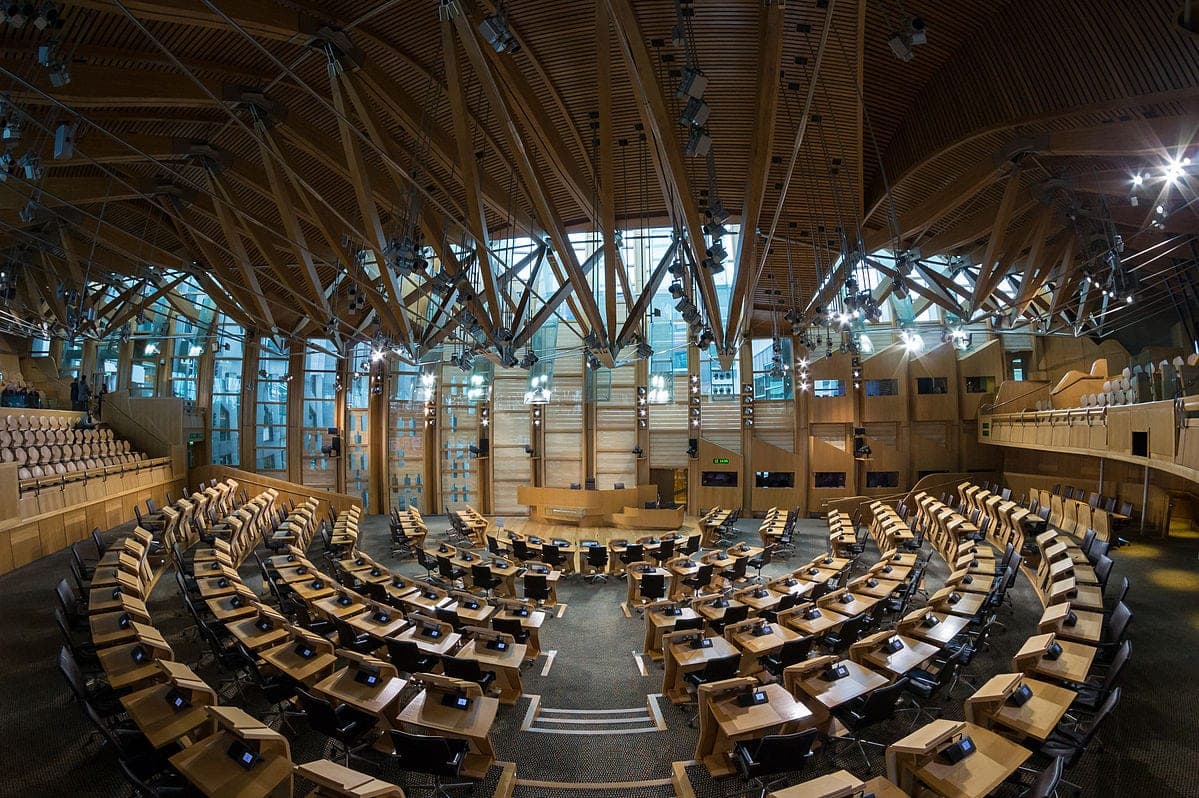
Overview of the Survey and Its Origin
The poll cited originates from Shelter Scotland, a leading housing charity in the United Kingdom, and was conducted in partnership with the Diffley Partnership. The research involved more than 1,000 adult respondents across Scotland and was designed to gauge public opinion on the housing emergency and its potential impact on voting behaviour in the upcoming Holyrood election.
Public Awareness of the Housing Emergency
The findings show that 59 % of Scottish residents are aware that the Scottish Government has officially declared a housing emergency. This recognition is accompanied by a strong perception of long‑term societal consequences, with 73 % agreeing that the crisis will lead to enduring problems.
Preferred Policy Solutions
Social house building emerges as the most favoured remedy, supported by 73 % of respondents. This preference outstrips other policy options such as rent controls (66 %), planning reform (60 %) and grants for first‑time buyers (59 %). The data suggest that expanding social housing is seen as the most effective way to curb homelessness and address the broader emergency.
Potential Impact on Voter Behaviour
A significant 57 % of participants indicated they would consider switching their regional list vote if another party presented clear, appealing policies to tackle the housing emergency. The propensity to switch varies by party affiliation: 50 % of SNP voters, 66 % of Scottish Labour voters and 55 % of Reform UK voters said they might change their second vote under such circumstances. The analysis points to the Scottish Liberal Democrats and the Scottish Green Party as possible beneficiaries of this vote‑switching dynamic.
Comparative Importance of Housing Issues
When asked to rank issues influencing voting decisions, housing and homelessness rank above education, climate change and crime. This underscores the centrality of the housing crisis in shaping political preferences across the electorate.
Expert Commentary on Findings
Gordon Llewellyn‑MacRae, Assistant Director of Shelter Scotland, emphasised that the research confirms widespread public awareness of the emergency and strong support for social house building. He warned that continued under‑investment in social housing risks further rises in homelessness and cuts to other council services. Mark Diffley, Founder and Director of the Diffley Partnership, highlighted the clear link between housing policy and voter decisions, noting the appetite for a decisive parliamentary plan to address the emergency early in the new term.
Implications for Sustainable Housing Policy
For a pan‑European audience interested in sustainable housing, the Scottish case illustrates how robust public backing for social housing can drive political change. The data suggest that policies promoting the construction of energy‑efficient, socially inclusive homes could not only mitigate homelessness but also influence electoral outcomes, offering a compelling model for other nations seeking to integrate sustainability with social welfare.