Overview of the Initiative
The article, published by Infobae and authored by journalist Enzo Iriarte, reports on Palma’s municipal decision to ban the creation of any new tourist‑rental places in residential properties. The measure, announced by Óscar Fidalgo, councillor for Urbanism, Housing and Strategic Projects, is presented as a complete prohibition with no exceptions, reinforcing a policy that already barred holiday rentals in multi‑family buildings since 2018.
Scope of the Ban
The new regulation designates the entire municipality of Palma as a “single zone” where the commercialisation of short‑term tourist stays (ETV) is prohibited. It eliminates the previously planned increase of up to 374 potential new tourist‑rental plazas (231 in the city centre and 143 in rural areas) and bars any renewal of non‑permanent ETV licences or the transfer of existing plazas to other municipalities.
Current Tourist‑Rental Landscape
Palma currently hosts 4,473 tourist‑rental plazas across 632 properties: 381 in the urban core, 76 in the Playa de Palma and Can Pastilla area, and 175 in rural zones. The city’s authorities argue that the ban will prevent further growth and allow a gradual reduction of this stock as existing licences naturally expire.
Growth Trend in the Balearic Islands
Between 2015 and 2023, the Balearic Islands experienced a 165 % rise in tourist‑rental licences, according to official statistics cited by the councillor. Although the article notes that tourist rentals represent a statistically minor share of overall housing price increases, they are highlighted as a factor affecting neighbourhood cohesion and affordability.
Complementary Municipal Actions
The prohibition forms part of a broader municipal strategy that includes suspending new tourist hostels, requesting the Balearic Port Authority to ban “partyboats” along the seafront, and intensifying police patrols on Playa de Palma. These measures aim to curb the ancillary impacts of mass tourism on local residents.
Political Reactions
The centre‑left coalition MÁS per Palma supports the ban, describing it as a response to long‑standing local demands. Conversely, the centre‑right Partido Popular (PP) is criticised by coalition spokesperson Neus Truyol for historically opposing any restrictions on tourist rentals and for proposing measures that would only eliminate an estimated 2 % of the existing rental stock—a figure the coalition deems negligible.
Sustainability Implications
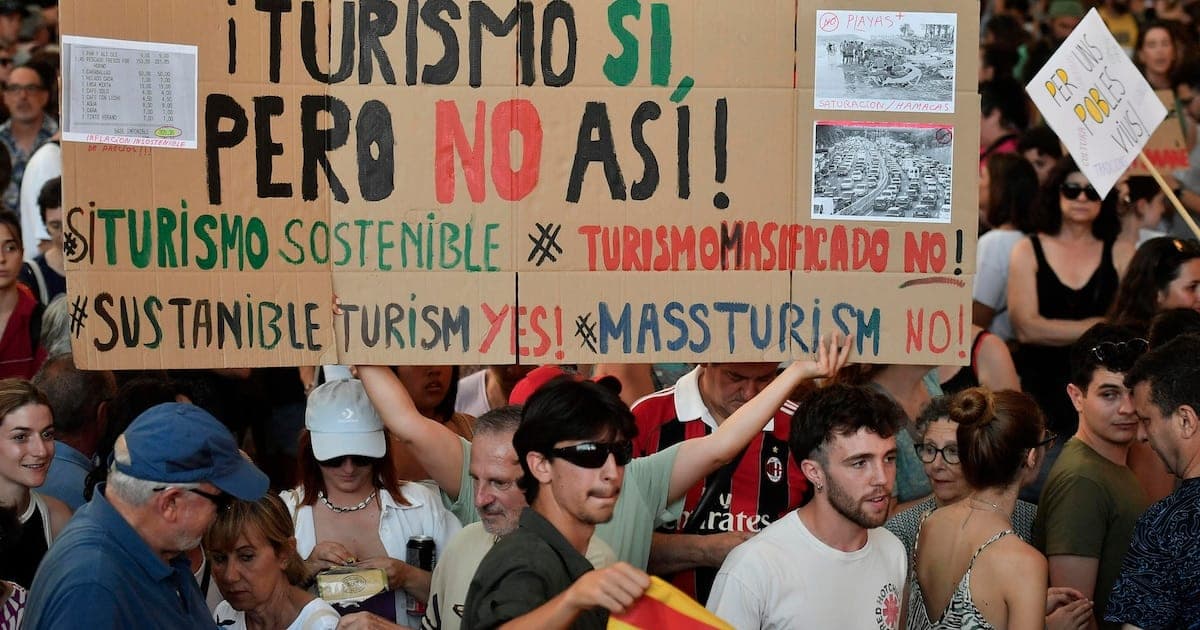
For a pan‑European audience concerned with sustainable housing, the Palma case illustrates a municipal attempt to re‑balance tourism‑driven demand with long‑term residential needs. By halting new supply and allowing the existing stock to dwindle, the city seeks to reduce pressure on housing markets, mitigate environmental strain associated with short‑term rentals, and promote stable, community‑oriented living environments.
Key Figures at a Glance
- Total existing tourist‑rental plazas: 4,473
- Properties involved: 632
- Planned new plazas removed: 374 (231 city, 143 rural)
- Regional licence growth (2015‑2023): 165 %
- Projected impact of PP’s alternative proposal: 2 % reduction The summary reflects the factual content of the Infobae report, providing a concise yet comprehensive picture of Palma’s policy shift for readers interested in sustainable urban housing across Europe.