Overview of Rent Surge in Mönchengladbach
The DGB Nordrhein‑Westfalen, Germany’s largest trade‑union federation, presents a comprehensive analysis of private‑rental market developments in Mönchengladbach over the past decade. The report, compiled by union officials including Patrick Stock (city‑branch chair) and Annemarie Benke (union secretary), highlights a 65.4 % increase in average rent per square metre between 2016 (€5.99) and early 2026 (€9.91). The analysis is part of a broader union campaign demanding a six‑year nationwide rent‑freeze.
Impact on Tenants and Living Costs
Union representatives stress that rising rents are outpacing wage growth, squeezing households across income groups—from retail workers to train conductors. The report notes that high ancillary costs, such as property tax, waste and water charges, place Mönchengladbach at the bottom of the ranking among Germany’s 100 largest cities for utility expenses. Consequently, a significant share of disposable income is consumed by housing, limiting spending on food, education, mobility and retirement savings.
Role of Energy Prices and Inflation
The DGB links the rent escalation to broader macro‑economic pressures, citing energy‑price shocks and persistent inflation as amplifiers of the housing affordability crisis. These factors have compounded the financial burden on tenants, making the call for a rent brake more urgent.
Delays in New Housing Projects
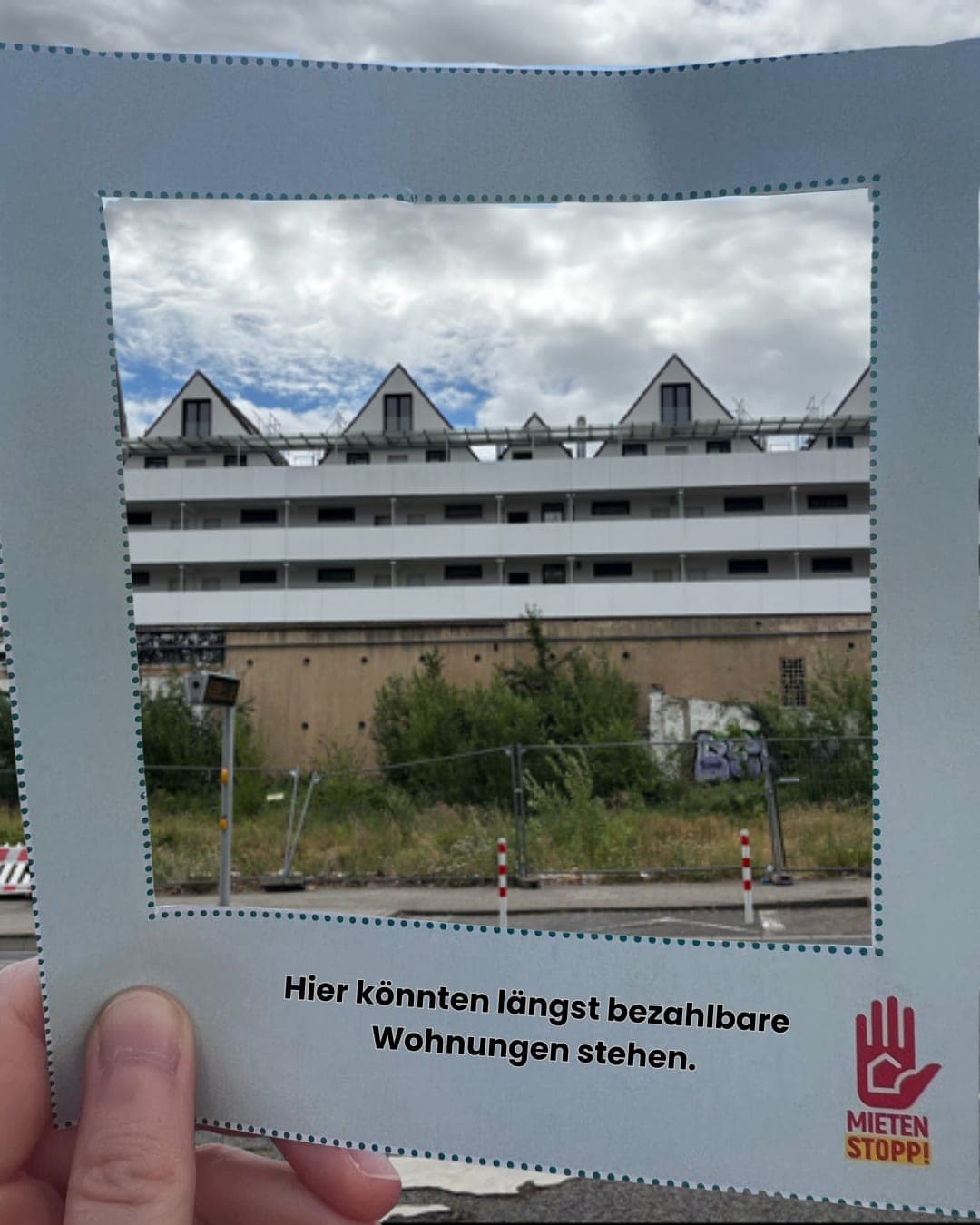
A case study of the Aachener Straße 3‑13 site illustrates systemic obstacles to expanding supply. Although the city awarded the plot in 2019 for an 85‑unit project with promises of rapid modular construction, the development remains unfinished years later. The union argues that such delays hinder the delivery of affordable homes and facilitate speculative landholding.
Policy Demands and Proposed Measures
The DGB’s position paper calls for a multi‑pronged approach: a legally binding rent‑brake, strict enforcement against rent‑gouging, expansion of public and social housing, and the introduction of a new “housing gemeinnützigkeit” (non‑profit housing model). It also urges municipalities to bind private investors to community‑benefit obligations and for federal, state and local authorities to resume responsibility for affordable housing provision.
Campaign Actions and Wider Context
From 3‑5 July, the DGB will organise nationwide rent‑stop action days, using the Mönchengladbach case to exemplify the need for rapid policy intervention across Europe. The union highlights that sustainable housing solutions must address both price controls and the acceleration of construction timelines to meet growing demand without compromising environmental standards.
Relevance for a Pan‑European Sustainable‑Housing Audience
The German example underscores common challenges faced by European cities: steep rent growth, inadequate supply, and the interplay between energy costs and housing affordability. The DGB’s data‑driven advocacy demonstrates how coordinated union action can push for regulatory reforms that align social equity with sustainable urban development.