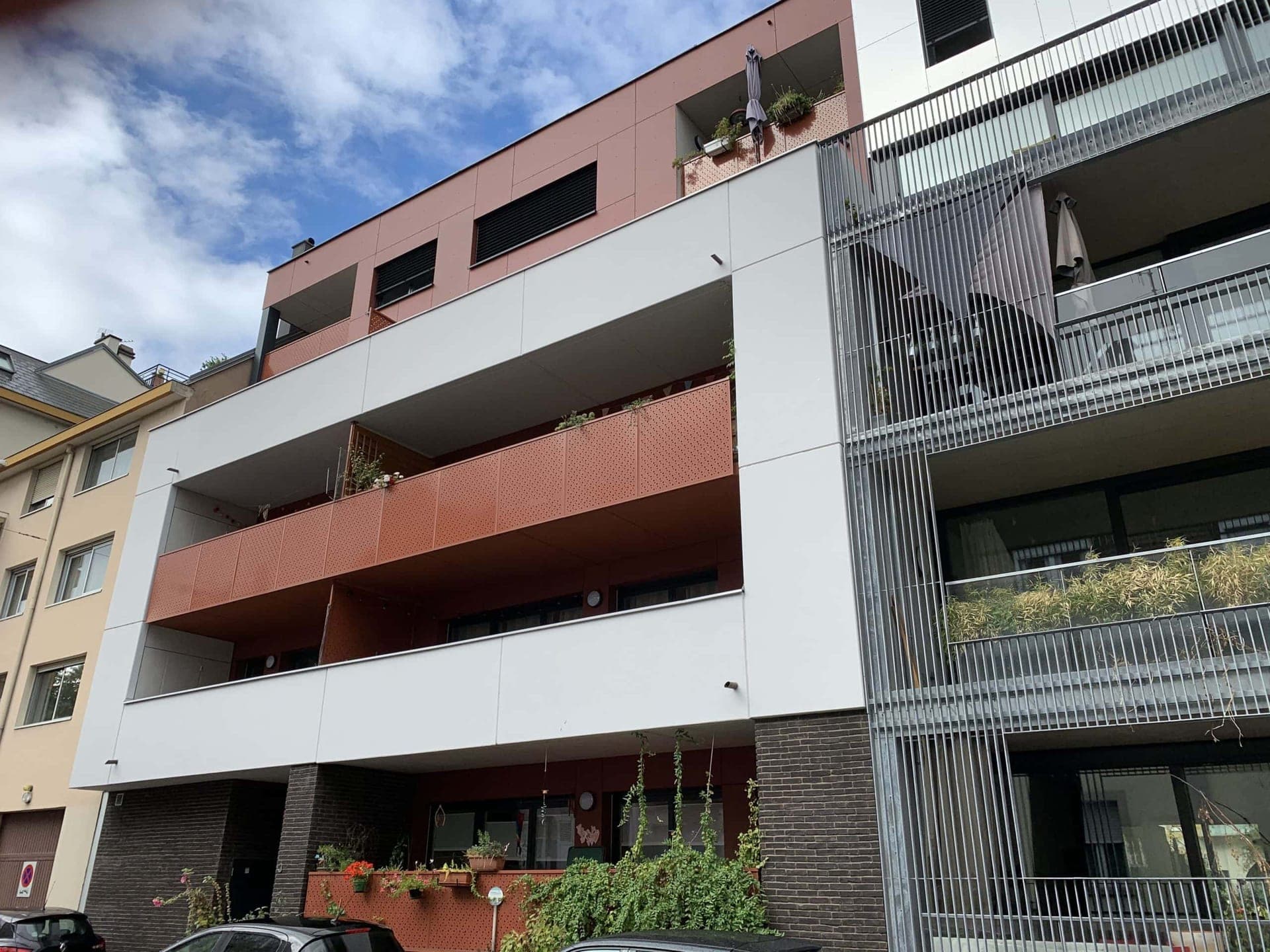
Overview of the Article and Its Origin
The piece “L’habitat participatif, une exception strasbourgeoise” is a feature article published by Rue89 Strasbourg, a regional news outlet covering local developments. It is written by Félix Paulet, a journalist who regularly reports on urban and social issues in Strasbourg. The article examines the city’s distinctive position in France regarding participatory housing, drawing on official statistics, municipal policies and interviews with local officials and association leaders.
Scale of Participatory Housing in Strasbourg
Strasbourg leads France in the development of habitat participatif, with 11 resident collectives having successfully completed projects and 17 additional projects underway. To date the city has delivered 92 participatory homes, and plans anticipate around 200 new units from the pending projects. Nationally, France counts 523 participatory housing projects at various stages, making Strasbourg’s contribution particularly notable.
Comparative Figures and National Context
The city’s 92 completed units contrast sharply with the second‑ranked city, Grenoble, which hosts only 8 active projects. While the national law ALUR (2014) removed many regulatory barriers, the majority of French projects still face significant financial and temporal challenges, leading to a high failure rate.
Municipal Support Through Land Provision
Strasbourg’s municipality supplies under‑used or abandoned land at reduced prices, allocating up to 10 % of the housing units in new urban schemes to participatory schemes. This land‑grant programme aims to lower the cost of acquisition, a primary obstacle identified by Habitat Participatif France, which reports that half of all projects fail due to inability to secure suitable terrain.
Institutional Assistance and Project Success
The city’s support extends beyond land to a structured call‑for‑projects process, which has increased the success ratio: nine out of ten initiatives now reach completion. Associations such as Éco‑Quartier Strasbourg, funded by the municipality, provide technical, legal and organisational advice. Professional partners, including architecture firms like Ankha, contribute expertise on construction costs, technical constraints and energy performance.
Financial and Legal Challenges Remaining
Despite the supportive framework, participants must still obtain individual bank loans and negotiate complex financing structures, often putting them at a disadvantage against commercial developers. Legal support is essential for establishing collective ownership rules and managing potential group splits.
Environmental and Social Objectives
Participatory housing projects are positioned as a “third way” between social housing and private development, aiming to integrate ecological standards, social mix, cultural diversity and inter‑generational cohesion. The reduced‑price land policy is tied to these broader sustainability goals, encouraging the creation of adaptable, community‑focused living spaces.
Future Outlook and Expansion Trends
Upcoming projects are expected to add roughly 200 new homes, reinforcing Strasbourg’s status as the French capital of participatory housing. New initiatives are increasingly locating in the peri‑urban belt and rural northern Alsace, reflecting a diffusion of the model beyond the historic city centre.
Key Take‑aways for Sustainable Housing Stakeholders
- Strasbourg hosts 11 successful collectives and 17 projects in progress, delivering 92 homes so far.
- Municipal land subsidies and a formal call‑for‑projects system boost completion rates to 90 %.
- Financial barriers persist, with half of all French projects failing to acquire land.
- Partnerships with NGOs, architects and legal experts are central to project viability.
- The city’s approach exemplifies a scalable, community‑driven model for sustainable urban housing across Europe.