Overview of the Initiative
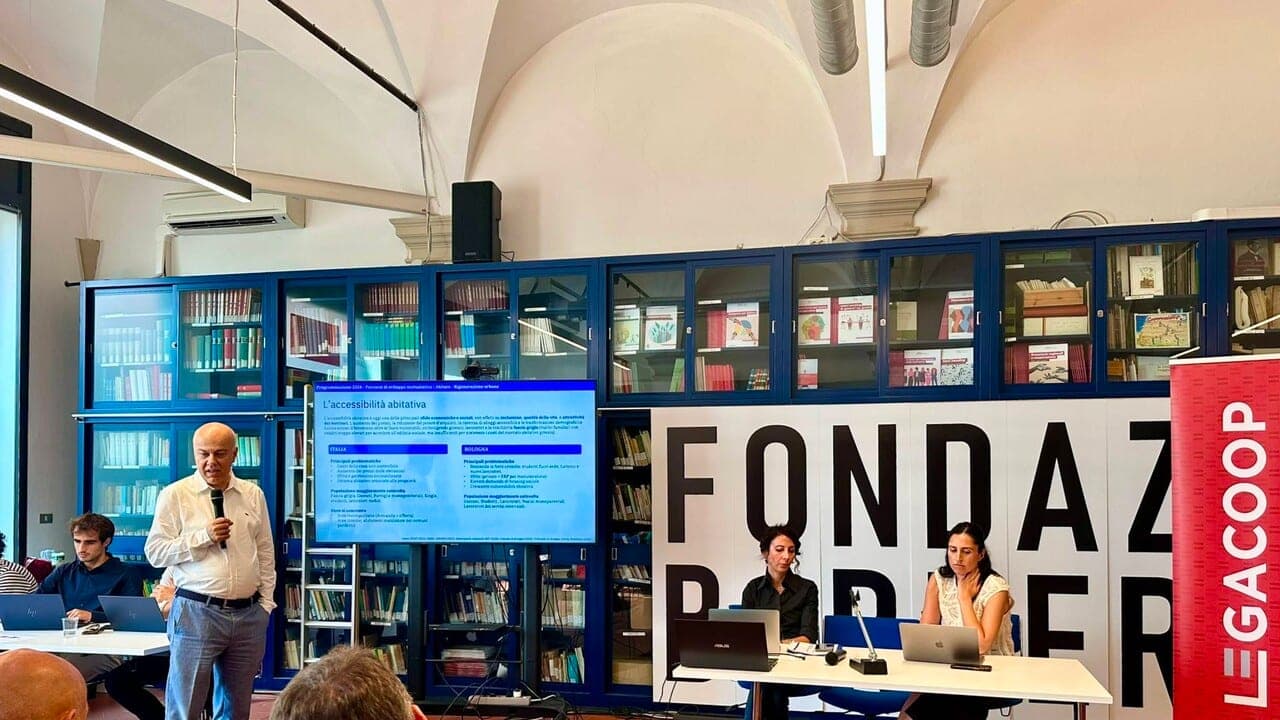
Legacoop Bologna, represented by its president Rita Ghedini, has presented a pact to the municipal authorities aimed at delivering up to one thousand new affordable housing units over the next decade. The proposal, reported by Agenzia ANSA—a major Italian news agency with a long-standing reputation for comprehensive reporting—focuses on leveraging urban planning incentives and public‑private cooperation to expand social residential construction (Ers) in Bologna’s General Urban Plan (Variante 2).
Current Housing Pressure in Bologna
Bologna faces a pronounced housing shortage, with 40 000 students living away from home, 13 000 vacant private dwellings, 3 383 applications for the 2025 rental programme, 6 668 families awaiting allocation under the 2024 ERP system, and 2 827 eviction procedures across the city and province. The metropolitan need is estimated at 7 500 new Ers units to stabilise the present tension, rising to 10 000 to meet future demand.
Economic Impact of Cooperative Rentals
Cooperative housing providers Dozza and Risanamento manage 2 919 permanent rental units in Bologna, offering rents roughly 60 % lower than market rates. This translates into savings of over €7 000 per family annually and an aggregate rent‑reduction benefit of approximately €20 million each year, underscoring the cost‑effectiveness of cooperative models for sustainable urban living.
Five Levers for Enhancing Affordability
The accompanying Surlab research from Università Bocconi, coordinated by Professor Edoardo Croci, identifies five policy instruments to improve housing accessibility:
- Public land concessions,
- Low‑interest loans,
- Industrialised construction methods,
- Guarantees against tenant arrears,
- Integrated services that lower overall tenancy costs.
Proposed Urban‑Planning Incentives
Legacoop’s pact recommends granting urban‑planning premium points to developers who commit to Ers construction, establishing a non‑speculative public‑private governance framework for the Ers fund, and creating accelerated administrative pathways for qualifying projects. These measures aim to streamline the delivery of affordable units while maintaining high environmental and social standards.
Project Scale and Timeline
If adopted, the plan would enable the construction of up to 1 000 affordable homes within ten years, representing a modest but significant contribution toward the city’s broader target of 7 500‑10 000 new social housing units. The initiative aligns with European sustainability goals by promoting dense, mixed‑use development and reducing the carbon footprint associated with housing shortages and speculative market pressures.
Broader Relevance for Pan‑European Audiences
The Bologna case illustrates how coordinated action between cooperatives, municipal authorities, and research institutions can generate measurable social and economic benefits. The data‑driven approach, combined with concrete policy levers, offers a replicable model for other European cities confronting similar housing crises while striving for sustainable, inclusive urban growth.