Overview of the Initiative
The article, published by Murciadiario, a regional news outlet covering economic and social affairs in Murcia, details a forthcoming decree on affordable housing that will incorporate the “cohousing” model. The piece was authored by the editorial team responsible for regional policy reporting and highlights the government’s commitment to collaborative living as a sustainable solution.
Definition of Cohousing
Cohousing is described as a residential format where private dwellings are complemented by shared communal spaces such as kitchens, leisure areas, and service zones. Residents retain individual ownership while benefiting from collective resources, fostering social interaction and efficient use of land and energy.
Funding and Scale of the Programme
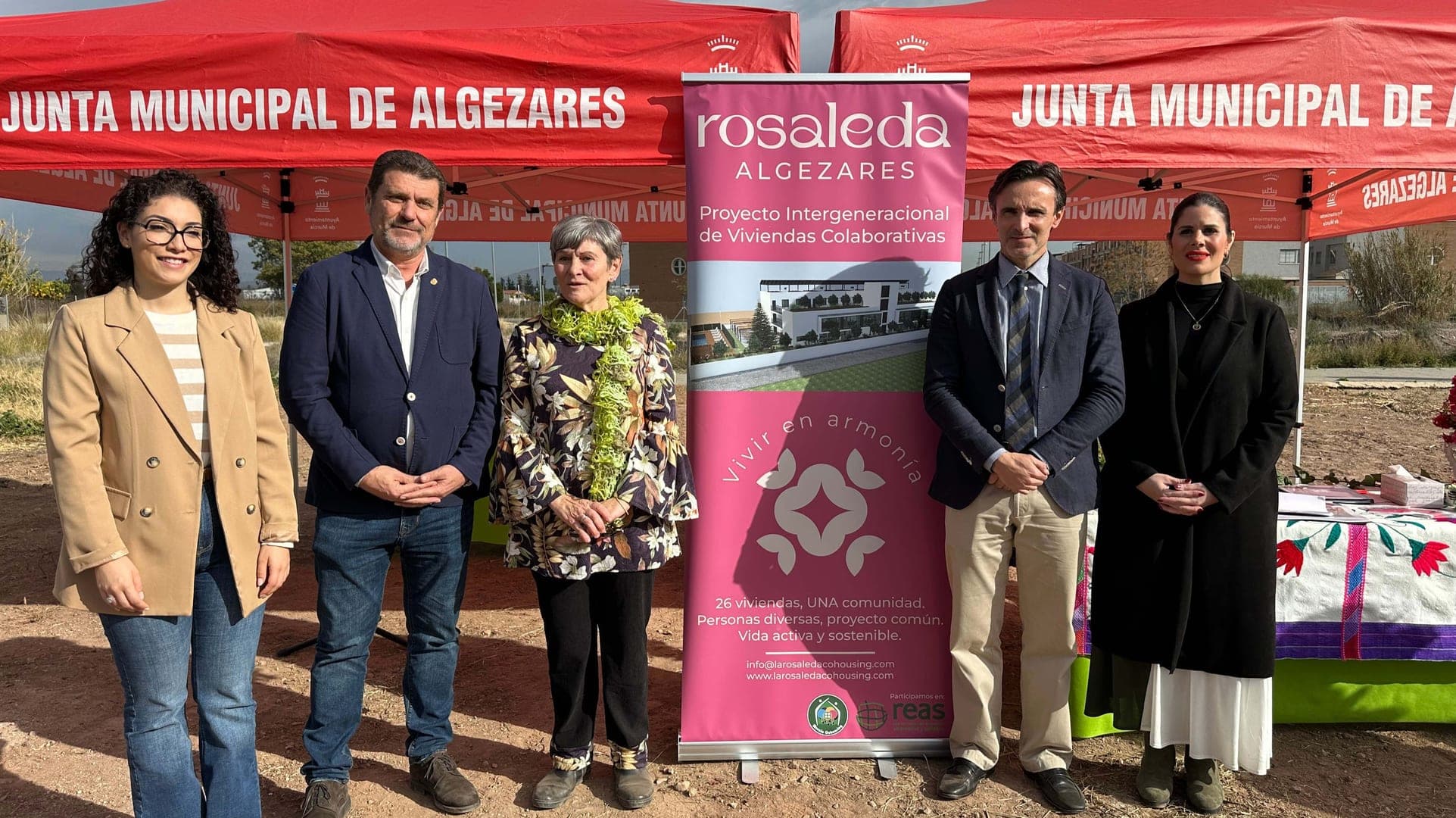
The regional government has allocated over €4 million in subsidies to seven cohousing projects, amounting to a total of 132 new homes. One highlighted project, “La Rosaleda Cohousing,” receives a specific grant of €858 383. The subsidies target inter‑generational housing, as well as accommodations for seniors and people with disabilities.
Geographic Distribution
The seven funded projects are spread across the municipalities of Murcia, Cartagena, Lorca and Caravaca de la Cruz, ensuring a regional spread of the cohousing concept and addressing diverse local housing needs.
Eligibility Criteria for Tenants
To qualify for the subsidised cohousing units, households must have an annual income, including all family members, that does not exceed five times the Public Income Indicator (IPREM). This income ceiling aims to direct the benefits toward low‑ and moderate‑income families.
Details of the La Rosaleda Project
La Rosaleda will be built on a nearly 2 000 m² plot and will comprise 26 units of one‑ and two‑bedroom apartments, ranging from 50 to 60 m². Features include adapted bathrooms, an extra washroom in two‑bedroom units, a combined living‑dining area with integrated kitchen, private terraces, and shared facilities such as a garage, storage rooms, a pool, gardens, terraces and barbecues. The building will have three floors attached to a two‑floor block that houses the communal zones.
Cost‑Sharing Model
Future residents are required to contribute 50 % of the total cost of their private unit and the shared areas, with the remaining balance financed through a collective credit arrangement. This shared‑ownership framework reduces individual financial burden and promotes long‑term affordability.
Sustainability Implications
By concentrating multiple households within a single development and providing shared amenities, cohousing reduces per‑capita energy consumption, optimises land use and encourages resource pooling. The model aligns with European sustainability objectives by limiting urban sprawl, decreasing construction waste and fostering community resilience.
Expected Impact on Regional Housing
The integration of cohousing into the new affordable‑housing decree represents a strategic shift towards collaborative living solutions in the Murcia region. The programme is projected to increase the supply of affordable, socially inclusive homes while delivering environmental benefits through shared infrastructure and reduced individual resource demand.