Overview of the Resource
The article “Krize bydlení v Brně: ANO ani ODS nezajímá, ostatní strany berou situaci vážně” is a news‑feature published by Deník Alarm, a Czech regional news outlet. It is authored by journalist Stanislav Biler, who regularly reports on municipal politics and social issues in Brno. The piece analyses the current housing crisis in Brno, comparing the positions of the city’s main political parties ahead of the 2026 elections and presenting recent data on construction output and vacant municipal flats.
Housing Market Situation in Brno
Over the past four years Brno has fallen behind Prague in housing affordability, becoming one of the most expensive Czech cities for renters. Despite a surge of private investors, the city has built only about two new municipal apartments in that period, while the number of parking spaces has risen sharply. A substantial stock of empty city‑owned flats remains unrenovated, limiting the supply of affordable housing for low‑income households.
Party Positions – ANO and ODS
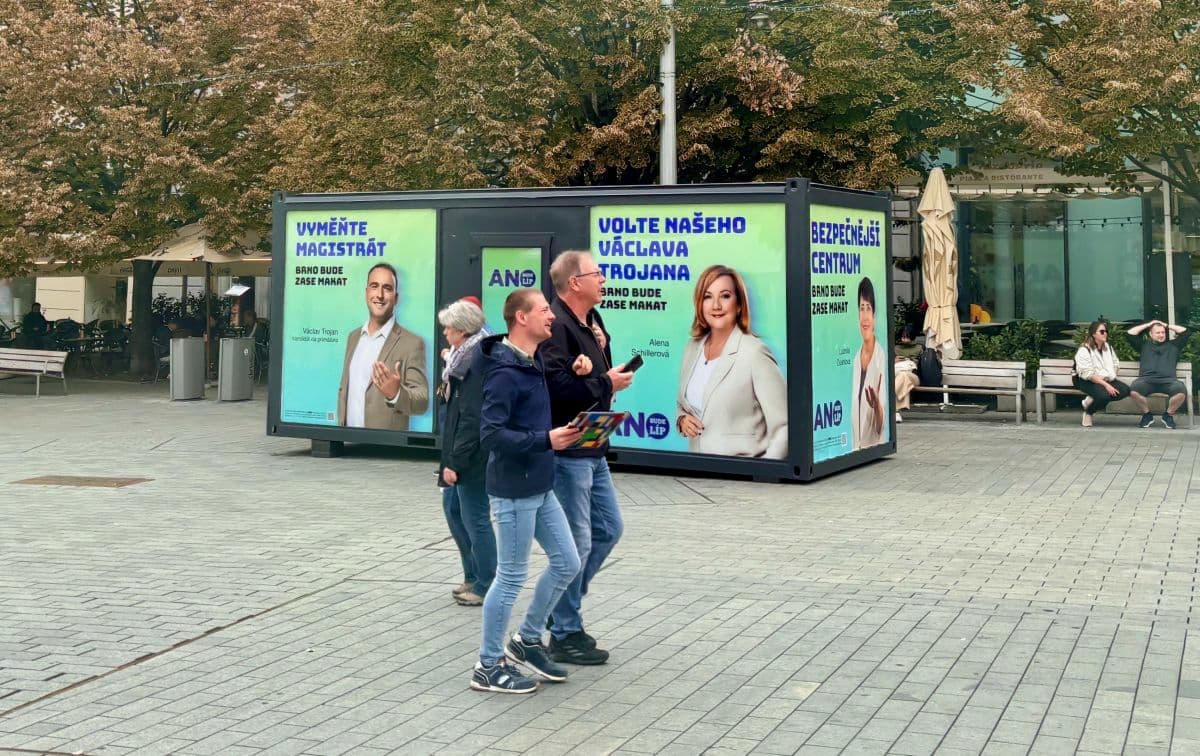
Both ANO and ODS present vague housing promises, avoiding detailed programmes. Their platforms focus on generic pledges such as “supporting affordable housing” without specifying locations or mechanisms. ODS, after eight years in municipal leadership, stresses more efficient management of the city’s housing fund but offers no concrete construction targets. ANO repeats its standard promise to halt privatisation of municipal flats and proposes increased security through camera installations, without addressing new supply.
Smaller Parties Offer Concrete Measures
The centre‑right coalition (ODS, TOP 09, ANO, KDU‑ČSL, STAN, ČSSD) has historically prioritised other projects, notably a hockey arena, over housing. In contrast, parties such as the Greens, TU Brno, and the local Zelení coalition outline detailed plans: releasing 800 vacant city flats, constructing 300‑400 new units annually, establishing a municipal investment company to acquire land for affordable projects, and reinstating the “housing first” programme. The liberal party STAN proposes allocating 10 % of municipal rent revenues to new construction and issuing city bonds to fund it.
Social Housing and Cooperative Initiatives
Several parties reaffirm commitment to cooperative (družstevní) housing and community‑based development, citing the need for starter apartments for young families, seniors, and single occupants. The Greens and TU Brno stress long‑term land use for housing rather than selling plots to the highest bidder, echoing Vienna’s model of municipal land stewardship.
Quantitative Highlights
- Brno’s housing prices and lack of availability now match or exceed Prague’s levels.
- Only roughly two new municipal apartments were built in four years.
- The city possesses a large pool of empty municipal flats awaiting renovation.
- Proposed construction targets from smaller parties range from 300 to 400 new units per year and the release of 800 vacant units.
- One party (Za Lužánky) aims to build 2 000 municipal apartments within ten years, with 15 % earmarked for affordable rent.
Relevance for Sustainable Housing
The article underscores the gap between political rhetoric and tangible housing outcomes, highlighting the importance of municipal land control, cooperative building models, and targeted investment in affordable units—key elements for sustainable urban development across Europe.