Overview of the Report
The article, published by Bulgarian National Radio and authored by Al. Markov, examines the severe housing crisis affecting Bulgaria’s poorest communities. It highlights the role of Habitat Bulgaria, a non‑governmental organisation that implements micro‑financing and training programmes to improve living conditions in areas plagued by illegal construction and state neglect.
Scale of Housing Poverty
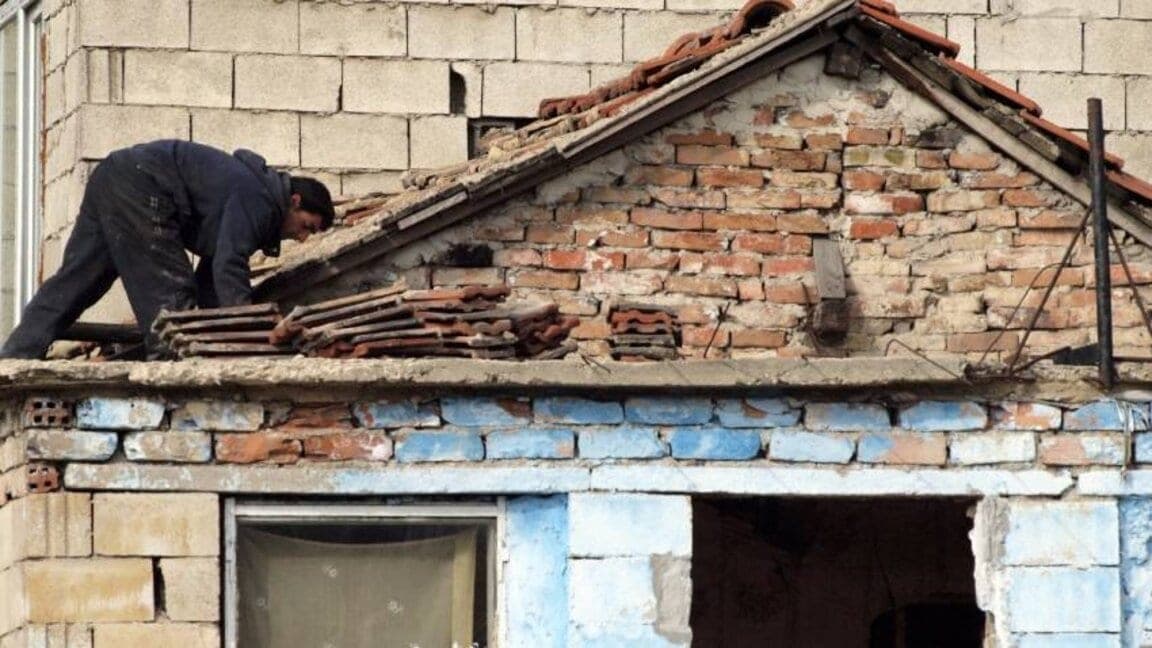
According to the 2022 data from the National Statistical Institute, 32 % of Bulgaria’s population lives at risk of poverty and social exclusion. Many families cannot afford basic household needs, let alone invest in housing upgrades. Habitat Bulgaria reports that the poorest households frequently lack separate sleeping spaces, study areas, or adequate sanitation, undermining early childhood development, education and health.
Micro‑Financing Model
In 2023 the organisation distributed BGN 20 000 in micro‑loans, each of BGN 1 200, for roof repairs, bathroom renovations, premises upgrades and energy‑efficiency improvements. Loans are interest‑free and must be repaid after one year, allowing the funds to be re‑issued to new applicants. Since the programme’s inception in 2008, Habitat Bulgaria has financed over BGN 1 800 000, achieving a repayment rate exceeding 97 % by March 2020 and recording only one delinquent loan since its restart.
Training and Community Support
Beyond financing, Habitat Bulgaria provides three training modules covering financial literacy, resource saving and legal renovation practices. The organisation also allocates interest‑free funding for locally proposed initiatives, such as street‑lighting projects in Botevgrad, energy‑saving bulb distribution, and a new playground near Targovishte. These actions aim to empower communities and promote sustainable, self‑reliant development.
State Involvement and Challenges
The article underscores the limited role of the Bulgarian state in addressing housing poverty. Over the past three decades, municipalities have failed to fulfil obligations, allowing widespread illegal construction and increasing over‑population in vulnerable neighbourhoods. Habitat Bulgaria positions itself as a partner in national policy development but stresses that substantial governmental funding and a responsible attitude are essential for lasting change.
Relevance for Pan‑European Sustainable Housing
The Bulgarian case illustrates how targeted micro‑financing, combined with capacity‑building programmes, can deliver tangible improvements in housing quality while maintaining financial sustainability. The high loan repayment rate demonstrates the viability of interest‑free, community‑driven funding models. For European audiences interested in replicable sustainable housing solutions, the data show that integrating financial support with education and local initiative funding can effectively address housing poverty in contexts where state resources are limited.