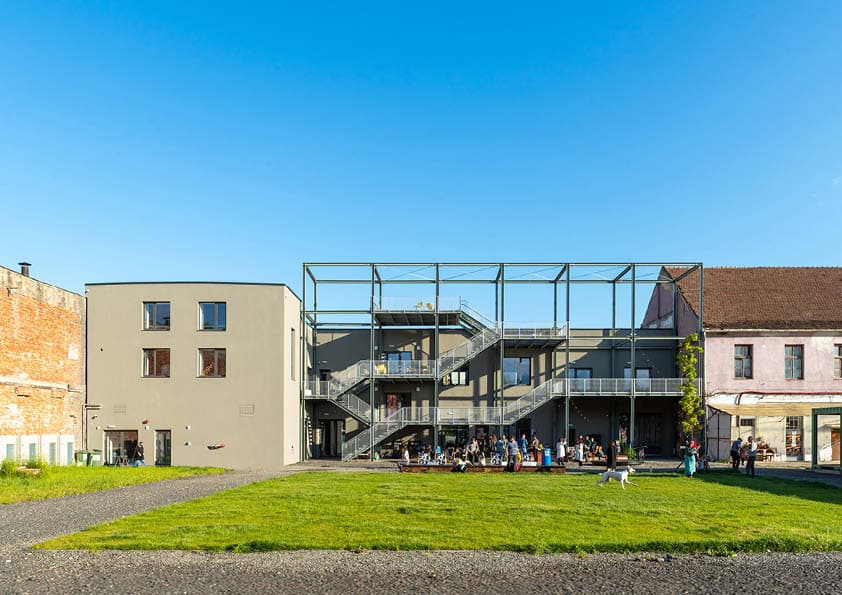
Overview of FABER Initiative
FABER Timișoara, a cooperative cultural centre in Timisoara, Romania, is presented by Cooperative City, a publisher focused on urban cultural projects. The case study, completed and publicly available, details the transformation of a former paint‑works factory into a sustainable, community‑driven hub. The resource originates from the EHC profile routine and includes metadata confirming its AI‑generated status and its inclusion in the “city/timisoara §lighthouse‑projects” catalogue.
Origin and Vision
FABER’s mission is to “create sustainable projects that have the power to change the cultural, social and creative scene” of Timisoara. The name, meaning “smith” in Latin, honours both the historic Farber family—original owners of the industrial site—and the philosophical concept of Homo Faber (the human as creator). Founding partners include local IT entrepreneurs Valentin and Cristina Mureșan, architect Adrian Eirmescu, the cultural non‑profit AMBASADA, and the architecture studio FOR, which led design and construction.
Project Development
The team bought the former industrial building in 2020, during the COVID‑19 pandemic, and self‑funded the refurbishment. Total refurbishment costs amounted to €1.6 million for an 800 m² building on a 2 400 m² site. No external loans were required. Ownership shares are distributed as follows: FOR (10 %), AMBASADA (10 %), and the remaining 80 % held by three principal stakeholders. The governance model features a board representing shareholders, which sets strategy implemented by an executive team.
Sustainable Construction Practices
The site required extensive ecological remediation. Soil analysis initially indicated hazardous mercury levels, later corrected after retesting. Remediation involved removing 40 cm of contaminated soil and safely disposing of 40 tonnes of legacy waste from the former soap factory. The building’s adaptive reuse of industrial space reduces the need for new construction, aligning with circular economy principles.
Economic Model and Rent Structure
FABER operates on a low base rent of €5 per square metre, supplemented by a variable component of 3 % of tenant income paid quarterly. This hybrid model supports affordability for cultural NGOs while generating revenue from events and co‑working spaces. The centre hosts a makerspace, meeting rooms, and a multipurpose event hall, contributing to financial resilience despite pandemic‑related challenges.
Community Impact and Partnerships
FABER collaborates with regional partners through initiatives such as the Triplex Confinium Project, linking architecture schools across Central and Eastern Europe. The centre’s “Look at the City” programme, part of the BETA Architecture Biennial, fosters inclusive dialogue between architects, citizens, and municipal authorities. Local heritage is honoured through connections with the neighbouring Farber family, now owners of the paint company Azur, reinforcing a mixed‑use, culturally rich neighbourhood.
Key Data Summary
- Year of publication: 2022
- Total refurbishment cost: €1.6 million
- Building area: 800 m²; site area: 2 400 m²
- Ownership: FOR 10 %, AMBASADA 10 %, main stakeholders 80 %
- Rent: €5 /m² base + 3 % quarterly variable
- Environmental remediation: 40 cm soil removal, 40 tonnes waste disposal
Conclusion for Sustainable Housing Audience
FABER Timișoara exemplifies a sustainable, community‑led repurposing of industrial heritage into a multifunctional cultural hub. By integrating ecological remediation, affordable mixed‑use tenancy, and cross‑border collaborative networks, the project offers a replicable model for European cities seeking resilient, low‑impact housing and cultural infrastructure.