Overview of the Article and Its Origin
The piece, titled “Eco‑conscious Glasgow looks to rivers and air to heat cold homes,” is published by The Christian Science Monitor, a long‑standing international news outlet founded in 1908. The article is authored by Sonia Elks, a journalist who regularly covers environmental and social issues for the Monitor. It provides an in‑depth look at Glasgow’s efforts to decarbonise residential heating as part of its net‑zero by 2030 target.
Glasgow’s Net‑Zero Ambition and Funding Needs
Glasgow has pledged to achieve net‑zero emissions by 2030, a goal that will require roughly £30 billion of investment, of which about £5 billion is earmarked for retrofitting homes to higher efficiency standards. The city’s climate plan relies on a mix of public funding, private investment and innovative financing mechanisms, recognising that government alone cannot cover the cost.
Case Study: Tenement Retrofit in Govanhill
In the southern Govanhill district, an eight‑flat tenement is undergoing a deep retrofit. Works include wall, floor and roof insulation, triple‑glazed windows and air‑source heat pumps. The retrofit aims to cut energy bills for occupants by up to 90 %. Researchers will monitor performance to develop a blueprint for similar historic tenements across the city.
River‑Based Heat Solutions
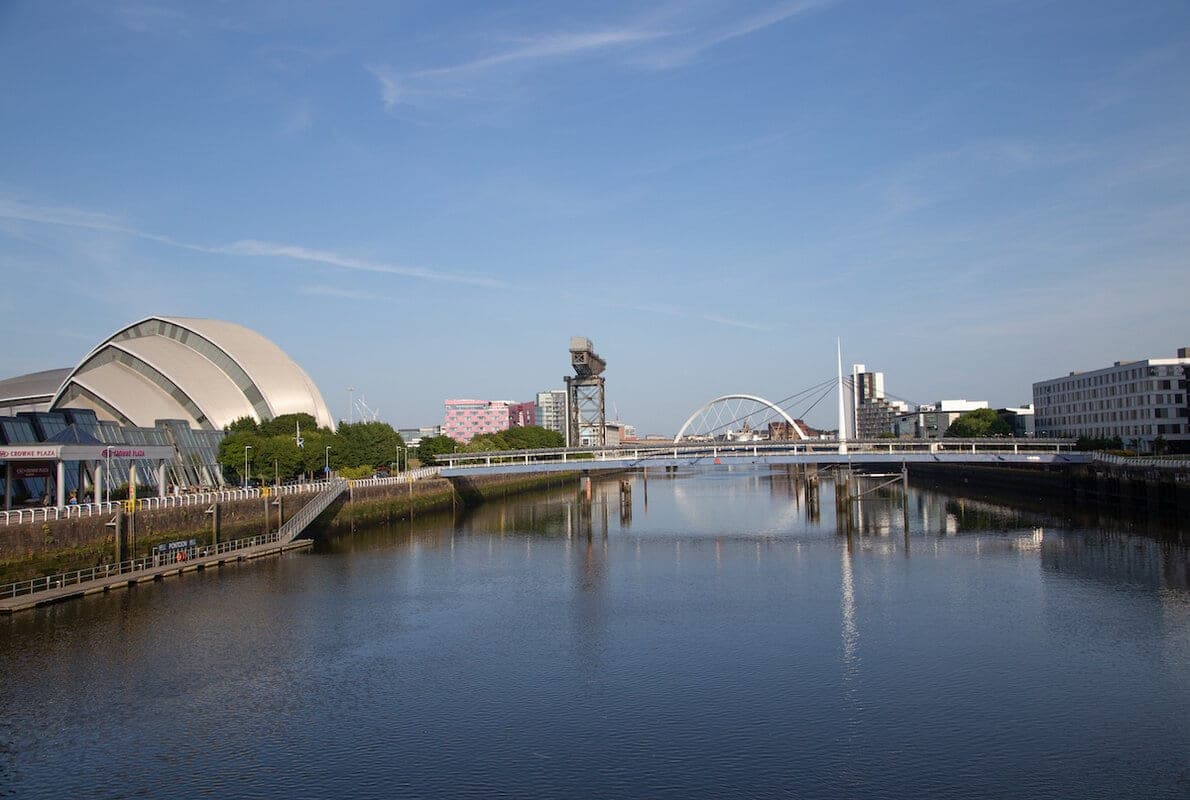
Glasgow is exploring large‑scale water‑source heat pumps that draw residual heat from the River Clyde. Preliminary estimates suggest such systems could meet around half of the city’s total heating demand. Existing district‑heat networks already use river‑derived energy, and a second network is planned to serve a central “innovation district.”
Cost Comparison: Renewable Heat vs. Gas
Renewable heating options remain more expensive than traditional gas boilers. Fossil‑fuel gas costs about 3 pence per kilowatt‑hour, whereas electricity‑based heat pumps average around 17 pence per kilowatt‑hour. The price gap highlights the need for subsidy schemes to prevent fuel poverty as Glasgow shifts away from gas.
Social Impact and Energy Poverty
Around a quarter of Glasgow residents currently spend more than 10 % of their income on heating. The city’s retrofit programme seeks to alleviate this burden, but the challenge is amplified by heritage constraints on historic tenements. Community groups such as Living Rent stress that a just transition must protect low‑ and middle‑income households.
Emissions Profile and National Context
Heating accounts for roughly 15 % of Scotland’s total emissions. The UK aims to reduce emissions by 78 % by 2035, making low‑carbon heating a national priority. Glasgow’s actions therefore contribute to wider UK climate targets and to the objectives of the C40 Cities network, which unites nearly 100 major cities worldwide.
Future Outlook and Investment Prospects
In the run‑up to COP26, Glasgow plans to launch an investment prospectus outlining ten major climate projects, including the large‑scale heat‑pump and retrofitting schemes. The city hopes to attract private capital to complement public funds, positioning Glasgow as a model for other European cities tackling historic housing stock and climate‑smart heating.