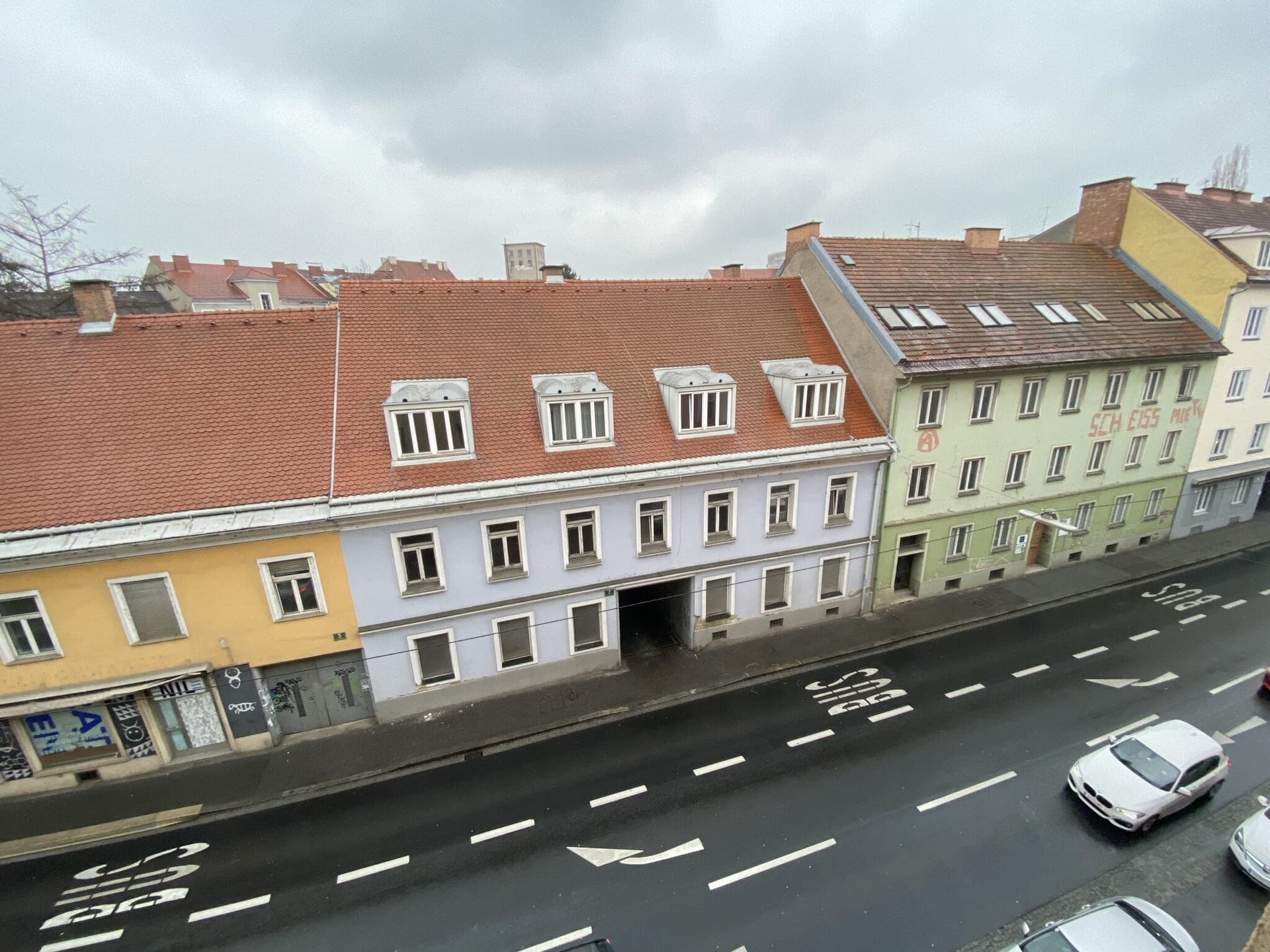
Overview of the Graz Vacancy Survey
The article “Die Ergebnisse der Grazer Leerstandserhebung” presents the results of Graz’s first comprehensive vacancy survey, conducted by journalist Markus Kropac for the local news outlet MeinBezirk.at. The investigation, completed in early 2025 and submitted to the European Housing Council (EHC) profile routine, analyses vacant residential units in Austria’s capital of Styria, offering a detailed picture of the city’s housing utilisation.
Key Vacancy Figures
In 2023, the survey identified 5 786 empty apartments in Graz, representing 13.49 % of the total housing stock. An additional 2 296 units were classified as “unclear” due to missing or ambiguous registration data. These “unclear” cases include newly built but unoccupied flats and apartments where the primary residence is not recorded, potentially inflating the overall vacancy risk.
Spatial Distribution of Empty Homes
The neighbourhood of Lend accounts for the highest concentration of vacant units (1 106 apartments, almost one‑fifth of the total), followed by Jakomini (909) and Gries (631). Conversely, districts such as Ries (75) and Wetzelsdorf (93) display markedly lower vacancy levels. The total floor area of unoccupied dwellings amounts to 322 630 m², roughly equivalent to more than 45 football fields.
Definition and Methodology
The survey defines a vacant dwelling as one that remained unused for at least 26 weeks during the year. It also incorporates “unclear” categories, covering properties lacking a primary residence registration, missing electronic records in the Central Register of Residents (ZMR), and units used for non‑residential purposes such as offices. Cross‑checking with utility consumption data (water and electricity) helped verify actual occupancy.
Policy Context and Political Reactions
The findings arrive amid a heated debate over the city’s proposed vacancy tax. The new coalition government (FPÖ and ÖVP) announced in December 2024 the repeal of the 2022 vacancy levy, a move criticised by several parties. Vice‑Mayor Judith Schwentner (Greens) highlighted the survey’s value for broader policy areas, while KPÖ, Greens and SPÖ representatives called for renewed action to curb speculation and improve affordable housing provision.
Economic Implications and Data Gaps
The report notes a shortfall of approximately 17 300 buildings in official statistics, suggesting potential untapped municipal revenue from property taxes. To fully rectify historic data inaccuracies, the authors estimate the need for 18 additional full‑time staff over the next decade. Accurate vacancy data is deemed essential for informed urban planning and fiscal decisions.
Recommendations for Legislative Change
The authors recommend amending the Styrian Building Act to mandate reporting of housing consolidations and changes of use, thereby enhancing data quality. They also advocate closer cooperation with energy suppliers to leverage consumption patterns for more precise occupancy assessments.
Relevance for Sustainable Housing
For a pan‑European audience focused on sustainable housing, the Graz vacancy survey underscores the importance of reliable occupancy data in addressing housing shortages, preventing speculative vacancy, and optimising the use of existing built stock. By identifying both clear vacancies and ambiguous cases, the study provides a template for other cities seeking to balance market dynamics with social housing objectives.