Overview of the Article and Its Origin
The piece “Desființarea Agenției Naționale pentru Locuințe: ce înseamnă pentru accesul tinerilor la locuințe” is published by Ziare.com, a Romanian news outlet. It is authored by Alexandra Constantinovici, a journalist who regularly covers housing policy and social issues. The article was generated automatically by an AI‑assisted workflow, as indicated by the “AI Generated: Yes” tag, and is publicly available on the Ziare.com website.
History and Mandate of ANL
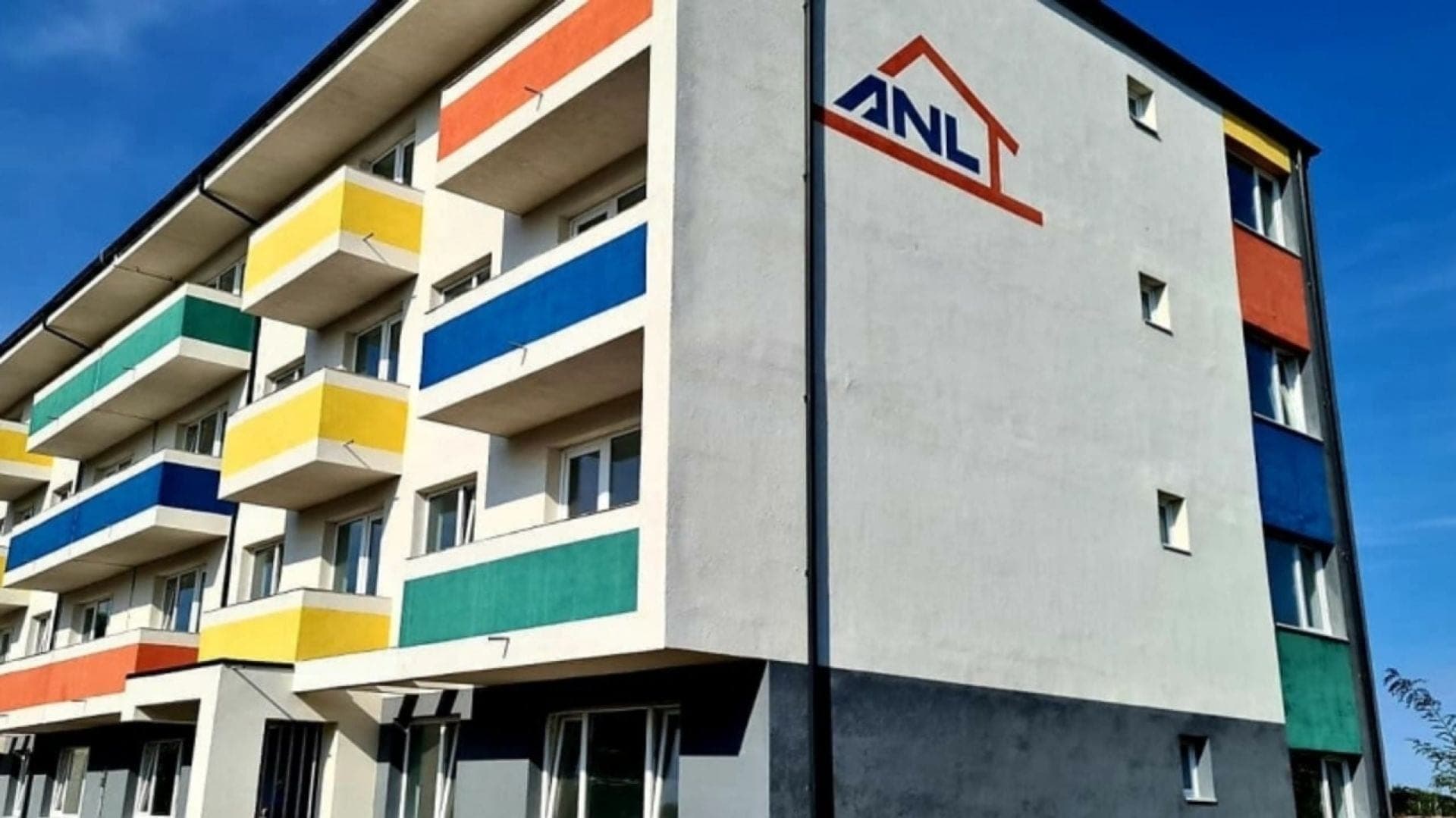
The National Housing Agency (ANL) was established in 1998 to address post‑communist housing challenges. Its mandate focused on building affordable homes for young people, first‑time families and disadvantaged groups, while also supporting staff in health and education sectors. Over more than two decades ANL constructed approximately 40 000 units, many of which were later sold to beneficiaries under favourable terms.
Recent Government Decision to Dissolve ANL
In 2025 the Ministry of Development announced plans to abolish ANL, triggering strong reactions from trade unions and civil‑society activists. The Ministry proposes cutting over 500 posts across its subordinate bodies, including ANL and the National Administration Institute (INA), promising annual savings of about 22.6 million lei. The reform would reduce ANL’s staff by roughly 16 percent, eliminating 512 positions, of which 74 are currently filled.
Union Criticism and Alleged Motives
The National Federation of Administrative Trade Unions (FNSA) denounces the move as politically motivated, accusing the government of seeking to appropriate ANL’s own revenues from rents, sales and deposits. Unions warn that transferred funds may be spent without guarantees of continued support for young people or vulnerable communities, and they demand an immediate reversal of the decision.
Impact on Ongoing Projects and Housing Supply
At the time of the announcement, more than 6 300 housing units were under construction and there were over 14 000 pending requests for new homes. The dissolution of ANL could halt these projects, creating “negative effects of blockage, chaos and abandonment” for the affected households. The article notes that ANL operates on a self‑financing model, reducing pressure on the state budget.
Planned Construction Targets and Recent Figures
According to the author, by 2023 ANL had built roughly 40 000 units nationwide. The agency had aimed to deliver about 5 000 new homes per year between 2024 and 2027, a target now jeopardised by the planned closure. Recent statements from experts such as sociologist Gelu Duminică and academic Vincze Enikő highlight the gap between demand and supply, especially for young adults under 35 years old.
European Context and Sustainable Housing Relevance
The article situates the Romanian case within a broader European debate on affordable, sustainable housing. It references the European Plan for Affordable Housing, scheduled for launch in early 2026, which seeks to combine public and private investment to increase the stock of energy‑efficient homes for vulnerable groups. The Romanian experience illustrates the risks of dismantling specialised public agencies for cost‑cutting, a concern shared by pan‑European audiences focused on long‑term housing sustainability.
Key Data Summary
- ANL founded: 1998
- Total homes built to date: ≈ 40 000
- Ongoing constructions at announcement: > 6 300
- Pending housing requests: > 14 000
- Annual savings claimed by ministry: ≈ 22.6 million lei
- Staff reduction target: ≈ 16 % (512 posts)
Outlook and Recommendations from Stakeholders
Unions and housing experts call for a transparent consultation process, preservation of ANL’s financing mechanisms, and the creation of a national investment programme that can replace ANL’s role without compromising affordability. They argue that any reform must safeguard the continuity of existing projects and maintain the self‑financing model that alleviates fiscal pressure, thereby supporting sustainable housing objectives across Europe.