Overview of the Council Decision
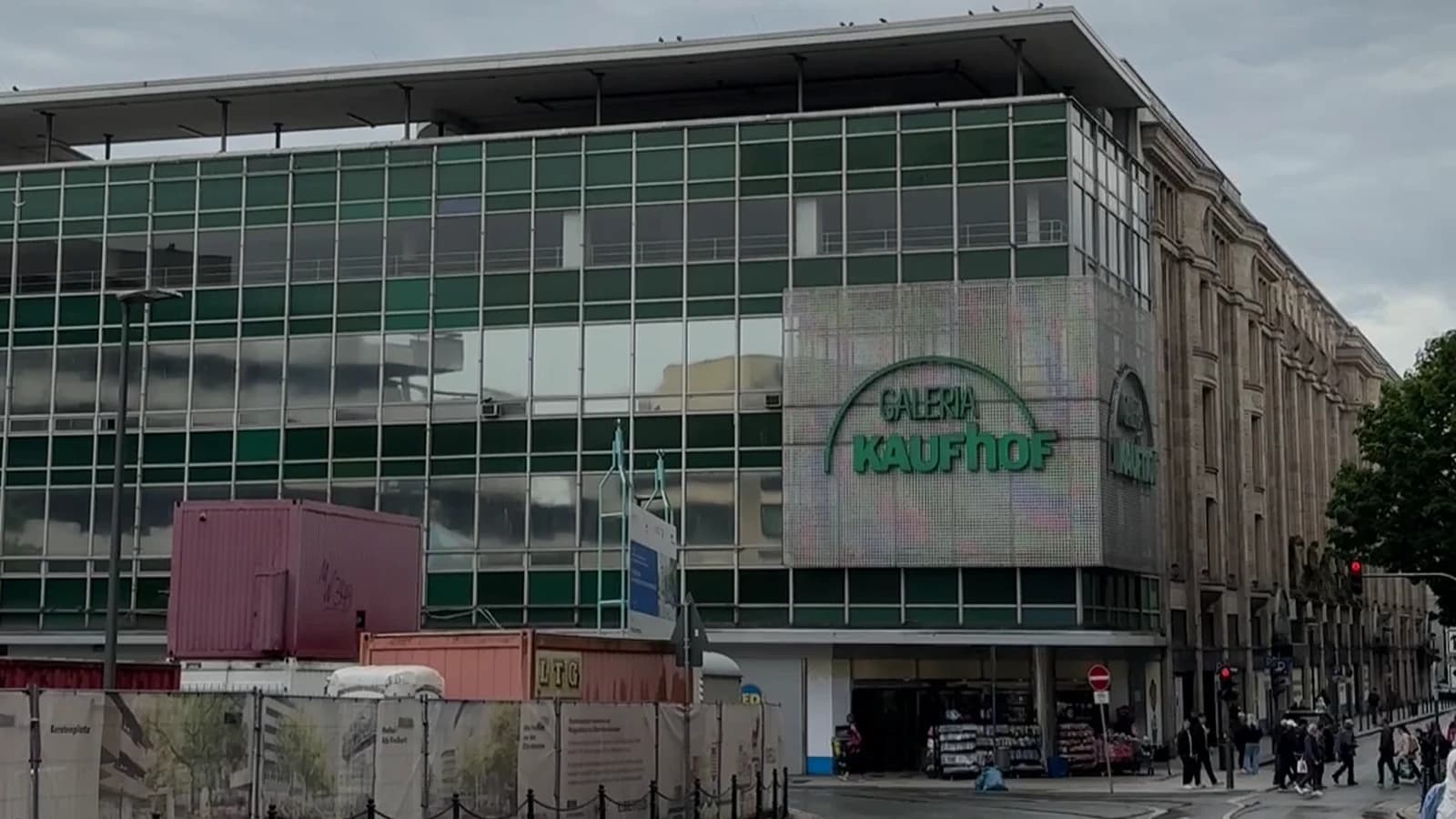
The city council of Wuppertal unanimously approved the purchase of the former Galeria Kaufhof department store on Elberfelder Neumarkt. The acquisition follows a recommendation from the municipal administration and aims to repurpose the building for community‑focused uses, including a central library, a further‑education college, and a co‑living floor. The decision was recorded in the council’s minutes on 13 July 2026.
Building and Location Details
The Kaufhof structure is a prominent, centrally located landmark in the Elberfelder inner city. It occupies a key urban site surrounded by Neumarkt, Wall, Poststraße and Kerstenplatz. The council views the building as a “key asset” whose future will influence the vitality of the surrounding neighbourhood. The purchase price is expected to be in the low‑million‑euro range, though exact figures have not been disclosed.
Sustainable Adaptive Reuse Strategy
The proposed mixed‑use development aligns with sustainable urban regeneration principles. By converting an existing vacant building rather than constructing anew, the project reduces embodied carbon and preserves the historic urban fabric. The design includes:
- Underground parking, storage and technical facilities (≈1 500 m²) to minimise surface land use.
- Ground to second floors dedicated to a public library with flexible learning spaces, café and a “city loggia”.
- Third floor earmarked for co‑living units, promoting shared housing and reducing per‑capita energy consumption.
- Fourth floor for the Bergisches Weiterbildungskolleg, providing classrooms and a sports hall.
- Roof space for a multifunctional area with gardens, a café and event facilities, supporting green infrastructure.
Economic and Social Benefits
A cost‑benefit analysis by PD – Partner Deutschland indicated that, while the purchase is marginally more expensive than leasing (less than 2 % difference), the overall utility score is about 21 % higher due to greater design flexibility and long‑term municipal control. The project secures municipal ownership of a strategic asset, prevents speculative redevelopment, and creates space for education, culture and affordable housing, contributing to social cohesion.
Implementation Timeline and Governance
An exclusivity agreement with the current US‑based owner runs until 31 August 2026, after which the purchase should be finalised. The council will then commission a comprehensive utilisation concept, including interim uses, and will decide between in‑house development or outsourcing to a third‑party developer. A detailed project and operational structure is expected to be presented to the council in the first quarter of 2027.
Stakeholders and Institutional Context
The article is published by Talzeit, a regional news outlet, and authored by journalist Niklas Berkel, who specialises in local governance reporting. The editorial note highlights that the submission was automatically generated by the EHC profile routine and references the city’s “lighthouse‑projects” catalogue, indicating alignment with broader municipal sustainability initiatives.
Relevance for Pan‑European Sustainable Housing
For a European audience interested in sustainable housing, the Wuppertal case exemplifies how municipalities can leverage existing urban structures to create mixed‑use environments that combine cultural, educational and residential functions. The co‑living component addresses the growing demand for affordable, community‑oriented housing, while the integration of green roof spaces contributes to biodiversity and climate mitigation goals. The project demonstrates a policy‑driven approach to urban regeneration that balances economic prudence with long‑term social and environmental resilience.