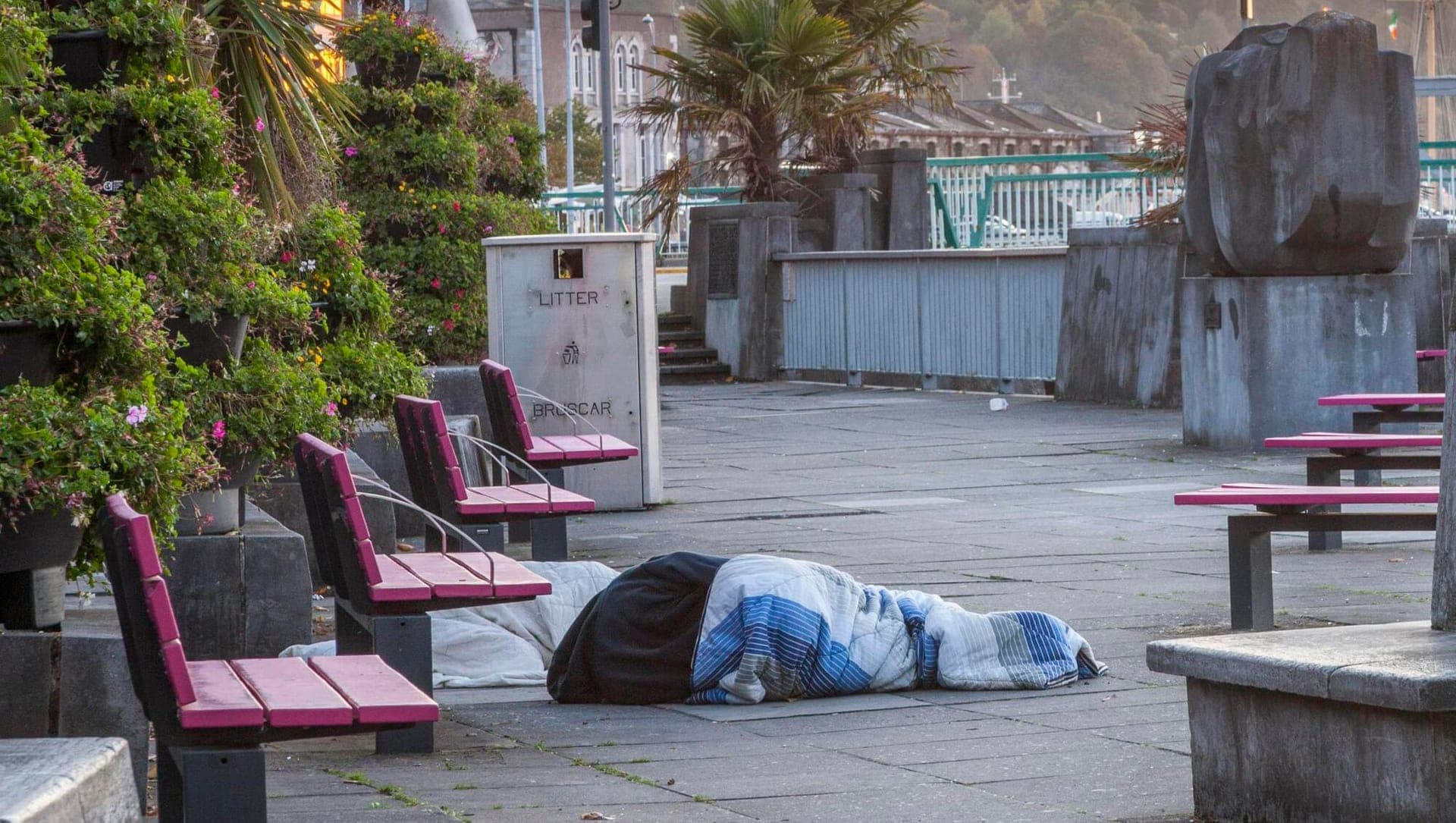
Context and Publication Overview
The article titled “Cork homelessness passes new record as Cork Simon warns of invisible group” is published by the Irish Examiner, a major national newspaper in Ireland known for its coverage of social issues. The piece is classified as a News / Feature article and is publicly available on the Examiner’s website. It was submitted automatically by the EHC profile routine and is currently in a processing state. The story highlights a recent surge in homelessness within Cork, drawing attention to an often‑overlooked segment of the population.
Record‑Setting Homelessness Figures
According to the report, the number of people experiencing homelessness in Cork has reached a new peak. While the article does not provide a precise figure, it cites statements from local advocate Cork Simon, who describes the situation as a “record‑breaking crisis.” The rise is attributed to a combination of rising housing costs, limited social‑housing stock, and the fallout from recent economic pressures across the region.
Invisible Groups Highlighted
Cork Simon emphasizes that a significant portion of the homeless population remains “invisible” to official statistics. This includes individuals sleeping in private homes, staying with friends or family, and those living in temporary accommodation not captured by standard counts. The article stresses that these hidden groups are at heightened risk of health problems, social exclusion, and exploitation.
Implications for Sustainable Housing
For a pan‑European audience concerned with sustainable housing, the Cork case underscores the importance of integrating affordable, energy‑efficient homes into urban planning. The surge in homelessness reflects a shortfall in long‑term, environmentally responsible housing solutions. The report suggests that without coordinated policy action, the pressure on emergency shelters will increase, leading to higher carbon footprints associated with temporary housing and transport.
Policy Responses and Recommendations
Local authorities in Cork are urged to expand social‑housing programmes, improve data collection on hidden homelessness, and adopt circular‑economy principles in new construction. The article references calls for increased funding for modular housing units, which can be erected quickly and designed to meet high energy‑efficiency standards. It also notes the potential role of community‑led initiatives in providing interim support while permanent solutions are developed.
Broader European Context
The situation in Cork mirrors trends observed in other European cities where housing affordability is increasingly out of reach for low‑income households. The article’s focus on “invisible” homelessness aligns with EU‑wide research highlighting gaps in official statistics. It reinforces the need for comprehensive, cross‑border strategies that address both supply‑side constraints and demand‑side pressures, such as wage stagnation and migration patterns.
Key Takeaways for Sustainable Housing Stakeholders
- Record‑high homelessness in Cork signals urgent housing shortages.
- “Invisible” homeless populations are under‑reported, requiring better data.
- Sustainable, affordable housing is central to mitigating the crisis.
- Policy measures include modular, energy‑efficient construction and increased social‑housing investment.
- The Cork experience offers lessons for European cities facing similar challenges.