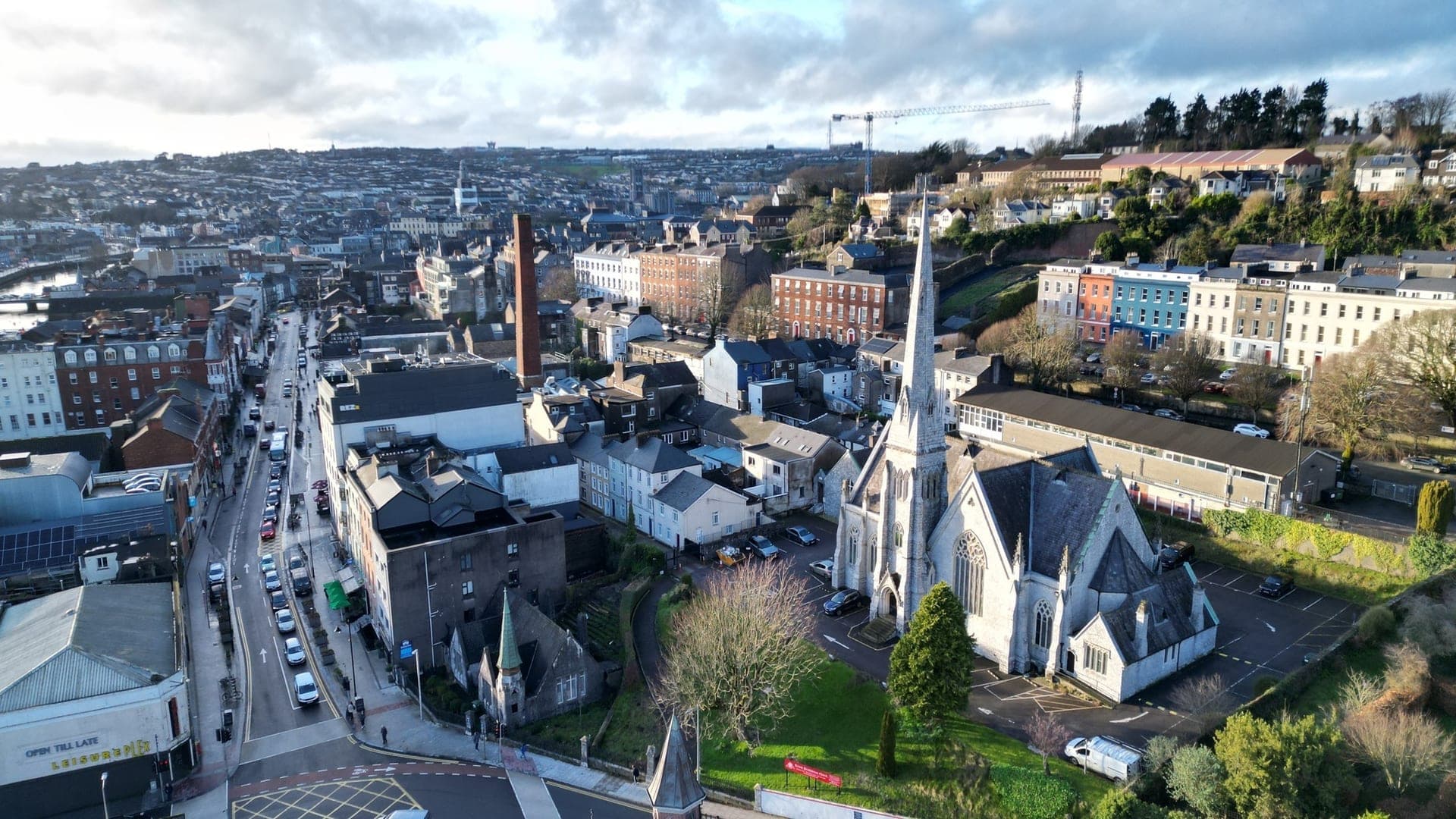
Overview of the Cork Docklands Regeneration
The Irish Examiner article examines the state of the €353.4 million Cork Docklands and Tivoli regeneration, one of Ireland’s largest urban renewal schemes. It provides a detailed update on progress, funding, and the sustainability objectives that underpin the project, positioning it within broader European efforts to create resilient, low‑carbon housing and mixed‑use districts.
Scope and Physical Development
The regeneration covers a 100‑hectare stretch of waterfront and former industrial land in Cork city. Key components include the construction of over 1,500 residential units, of which approximately 30 % are designated as affordable housing. The plan also incorporates new commercial spaces, public realms, and transport infrastructure such as enhanced pedestrian and cycling routes linking the docklands to the city centre.
Sustainability Targets and Green Features
Sustainability is central to the project’s design. The development aims to achieve a 40 % reduction in carbon emissions compared with conventional construction, using energy‑efficient building envelopes, renewable energy installations (solar PV and district heating), and extensive green roofs covering 25 % of the new buildings. Water management strategies feature rainwater harvesting and natural drainage basins to mitigate flood risk.
Financial Progress and Funding Sources
Funding for the €353.4 million initiative combines national government allocations, European Union structural funds, and private investment. As of the latest update, 65 % of the budget has been committed, with construction contracts awarded for the first phase of residential blocks and associated public amenities. The article notes that the project remains on schedule, with no significant cost overruns reported.
Community and Economic Impact
The regeneration is projected to create around 3,500 jobs during construction and an additional 1,200 permanent positions in retail, hospitality, and services once completed. Community engagement programmes have involved local residents in the design of public spaces, ensuring that the new neighbourhoods reflect local cultural heritage while promoting social inclusion.
Transport and Connectivity Improvements
A major focus is improving connectivity. New tram and bus links, alongside upgraded cycling lanes, aim to reduce private car dependence by 25 % within the docklands precinct. These measures support broader European mobility goals and contribute to lower traffic emissions.
Monitoring and Future Outlook
The article highlights that the project is subject to continuous monitoring through a dedicated oversight board, which reports on environmental performance, construction milestones, and community feedback. The next phases will expand housing provision, integrate additional renewable energy systems, and further enhance public realm quality, reinforcing Cork’s role as a model for sustainable urban regeneration in Europe.