Overview of the Research Initiative
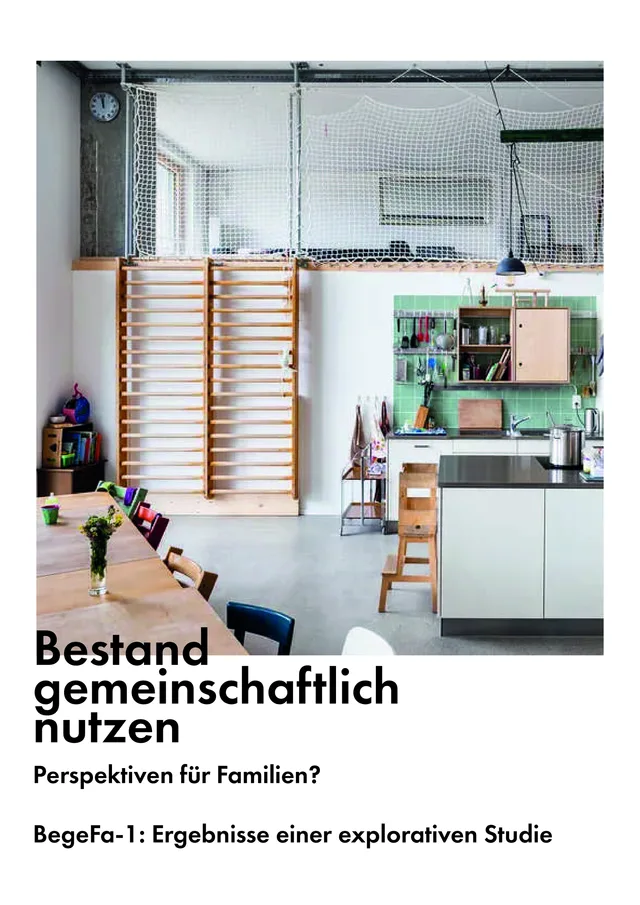
The study “Collaborative Activation and Re‑Use: Actors of a Non‑Profit Housing Transformation” is a joint effort by the Technische Universität München (TUM) and the Deutsches Jugendinstitut (DJI). Authors Isabel Glogar, Lisa Abbenhardt and Martina Heitkötter bring expertise from urban design, social science and family policy. Funded by the Bundesinstitut für Bau‑, Stadt‑ und Raumforschung, the project examines how community‑driven adaptations of existing buildings contribute to sustainable, family‑friendly housing across Germany.
Scope and Objectives
The research explores three core questions: (1) how collaborative housing in existing stock supports socio‑ecological transformation; (2) what opportunities and challenges these projects present for families balancing care and work; and (3) which organisational, spatial and policy factors enable successful activation. The study combines a nationwide inventory of 425 projects, in‑depth case studies of 30 best‑practice examples, expert interviews and workshops to generate interdisciplinary insights.
Key Findings – Project Landscape
- Geographic distribution: 33.9 % of projects are located in rural areas, 31.0 % in large cities, with notable concentrations in Brandenburg (14.7 %), Hamburg (3.3 %) and Thüringen (6.6 %).
- Building typologies: The most common conversions involve residential buildings (144 cases) and farmsteads/gutshöfe (88). Industrial buildings, former schools and even a handful of churches and park houses also feature, though at lower frequencies.
- Era of structures: Over half the adapted buildings were erected before 1900, highlighting the relevance of historic stock for contemporary sustainability. Post‑1955 constructions are under‑represented, suggesting fewer retrofits of newer structures.
- Project size: Small initiatives (1‑10 residents) account for 27 % of cases, medium‑size (11‑30 residents) for 36 %, while larger communities (>100 residents) remain rare.
Organisations and Governance
The majority of activations are coordinated by the Mietshäuser‑Syndikat (37.7 % of projects), followed by housing cooperatives (15.9 %) and charitable associations (18.7 %). These models combine collective ownership with non‑speculative rent structures, facilitating long‑term affordability and community decision‑making. Multi‑stakeholder collaborations—including local authorities, research institutes and private partners—are identified as critical for project initiation and maintenance.
Sustainability Impacts
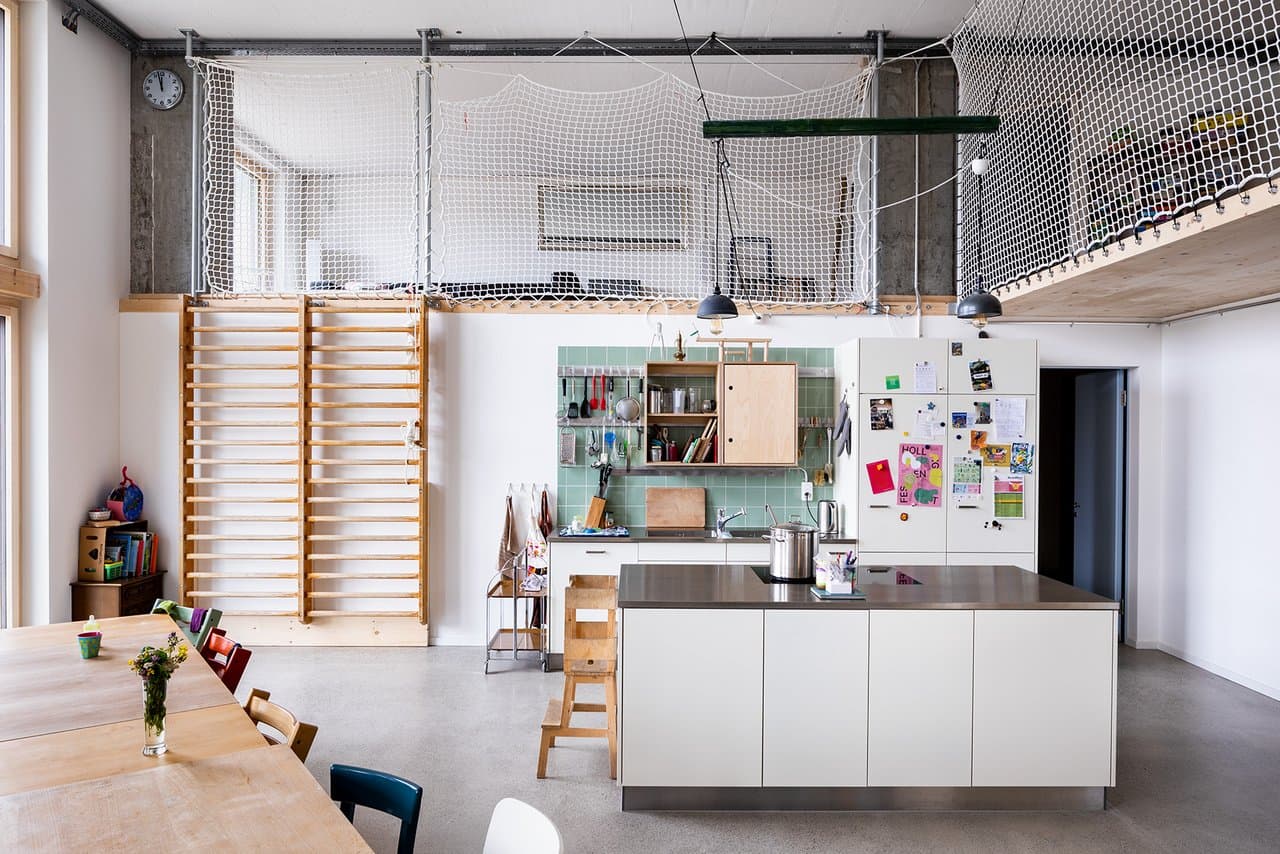
Activating existing buildings reduces material consumption, embodied energy and land use compared to new construction. The study highlights additive uses—co‑working spaces, cultural venues, childcare facilities and shared workshops—that enhance resource efficiency and foster social cohesion. Approximately 36 % of projects prioritise communal spaces, while 23 % develop gardens or agricultural plots, supporting local food systems and biodiversity.
Family‑Centred Benefits
Interviews with families reveal that mixed‑use environments ease the integration of care responsibilities with paid work. On‑site childcare, proximity to co‑working areas and shared transport solutions (car‑sharing, bike‑sharing) reduce commuting times and expand flexible working options. Projects such as the “Uferwerk” and “Groenland‑Hof” exemplify how communal infrastructures can alleviate the “care‑work crisis” identified in recent German social policy reports.
Methodological Approach
The research employs a mixed‑methods design: (1) a quantitative mapping of 425 initiatives; (2) qualitative analysis of 30 detailed case studies; (3) expert interviews (5 DJI, 1 TUM) and a stakeholder workshop; and (4) synthesis of findings across spatial, organisational and policy dimensions. Data were gathered from public databases, project websites and direct outreach, ensuring a comprehensive overview of the sector.
Policy Recommendations
The authors propose three strategic levers for scaling collaborative activation:
- Financial incentives for retrofitting historic stock, including low‑interest loans and tax relief.
- Regulatory simplification to streamline conversion permits for mixed‑use projects.
- Support networks that connect nascent groups with experienced cooperatives and the Mietshäuser‑Syndikat to share best practices and governance tools.
Outlook for European Sustainable Housing
While the study focuses on Germany, its findings resonate across Europe where ageing building stock and housing affordability pressures intersect. The demonstrated potential of community‑led retrofits to deliver ecological, social and economic benefits offers a replicable model for pan‑European housing policies aiming to achieve climate‑neutral urban development and inclusive, family‑friendly neighbourhoods.