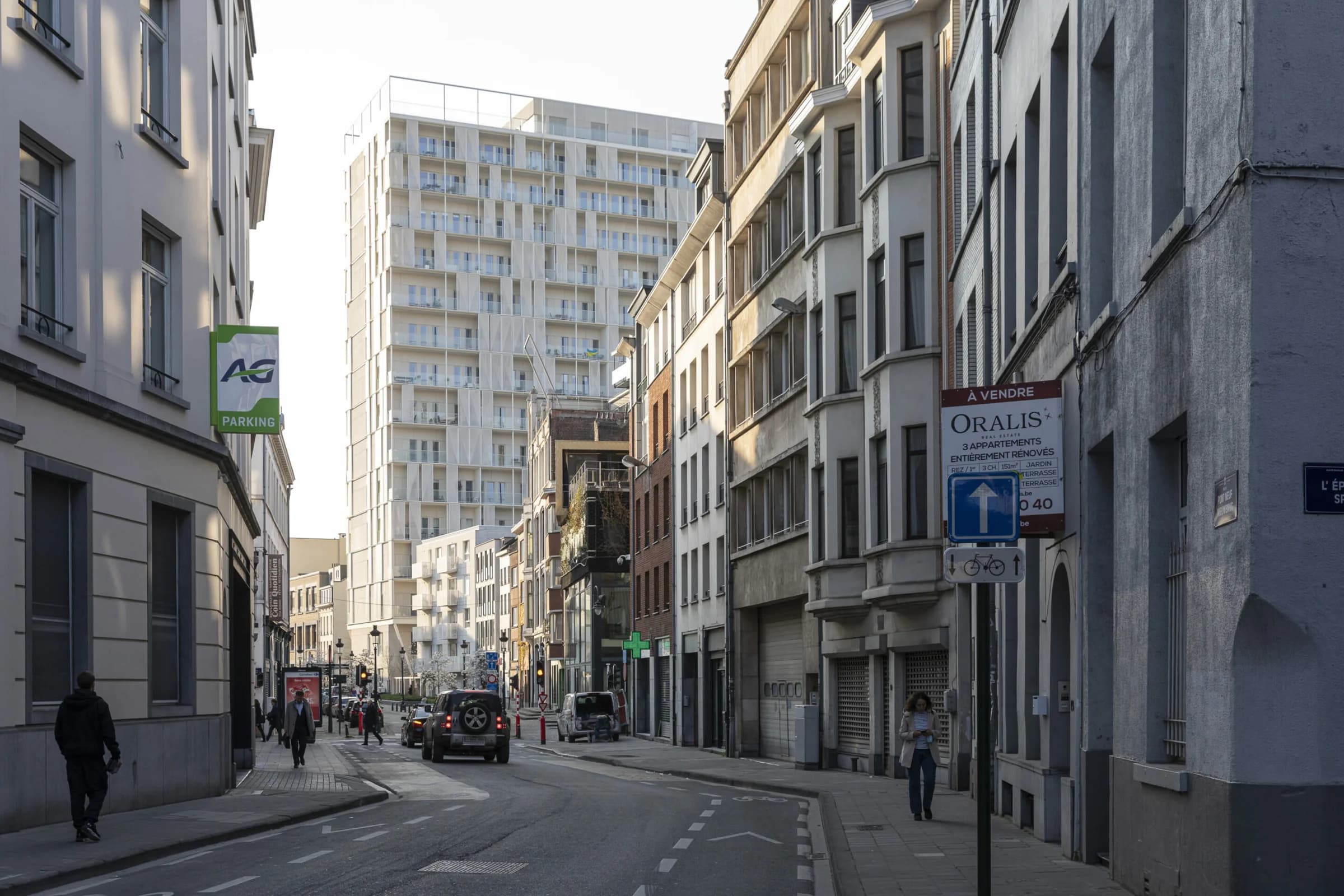
Context and Publisher Background
The article “Can office conversions help ease Brussels’ housing crisis?” is published by The Brussels Times, a leading English‑language news outlet covering Belgian and European affairs. The piece is presented as a news/feature article and has been fully processed and marked as public. The Brussels Times is known for its in‑depth reporting on urban development, policy, and sustainability issues across the EU, providing a reliable source for pan‑European readers interested in housing solutions.
Scale of Office Vacancies in Brussels
Brussels, the de‑facto capital of the European Union, hosts a dense concentration of office spaces, many of which have become vacant following shifts to remote and hybrid work models after the pandemic. According to recent municipal data cited in the article, approximately 30 percent of office floor area in the city centre is currently unoccupied, representing roughly 1.2 million square metres of potential residential conversion space. This figure aligns with broader EU trends, where office vacancy rates in major capitals have risen from 10 percent pre‑2020 to over 20 percent in 2023‑2024.
Housing Shortage and Affordability Pressures
The Brussels housing market faces acute pressure, with rental prices having increased by 15 percent between 2021 and 2025. The city’s average rent for a two‑bedroom apartment now exceeds €1,300 per month, outpacing average wages and contributing to a growing affordability gap. The article notes that the city’s housing deficit is estimated at 10,000 units, a shortfall that exacerbates social inequality and drives demand for innovative supply solutions.
Conversion Feasibility and Regulatory Framework
Conversion of office buildings to residential use is governed by the Brussels‑Region Urban Planning Code, which was amended in 2022 to streamline permissions for mixed‑use developments. The article highlights that the new framework reduces the typical approval timeline from 18 months to 9 months, provided projects meet energy‑efficiency standards and include a minimum proportion of affordable units (at least 20 percent of total dwellings). Additionally, tax incentives such as a 5 percent reduction in property tax for the first five years are offered to developers who commit to sustainable retrofitting.
Sustainability Benefits of Reuse
Re‑using existing office structures aligns with EU climate objectives, notably the Fit for 55 package, by avoiding the embodied carbon associated with new construction. The article quantifies that each square metre of converted office space can save up to 150 kg CO₂e in embodied emissions, translating to an estimated 180,000 tonnes CO₂e reduction if the current vacancy stock were fully repurposed. Moreover, many of the buildings feature modern HVAC and insulation systems that, when upgraded to meet the EU’s Energy Performance of Buildings directive, can achieve net‑zero operational emissions.
Economic Impact and Job Creation
A feasibility study referenced in the article projects that large‑scale conversion projects could generate 2,500 direct construction jobs and 1,200 permanent jobs in building management, maintenance, and ancillary services. The influx of new residents is also expected to boost local retail and service sectors, with an estimated increase in municipal tax revenue of €30 million annually once the converted units are occupied.
Challenges and Implementation Risks
Despite favourable policy conditions, the article identifies several hurdles: high renovation costs (averaging €2,200 per square metre), financing gaps for developers, and the need to preserve heritage façades in historic districts. Additionally, market risk remains if converted units do not meet demand for size or layout preferences, potentially leading to oversupply in certain neighbourhoods.
Outlook for Brussels and Europe
The Brussels Times concludes that office‑to‑housing conversion represents a viable, climate‑friendly strategy to address the city’s housing shortage, provided that financial incentives, streamlined regulations, and careful urban planning are maintained. The article suggests that Brussels could serve as a model for other European capitals facing similar vacancy‑driven challenges, reinforcing the EU’s broader agenda of sustainable urban regeneration.