Introducing the Alliance Report
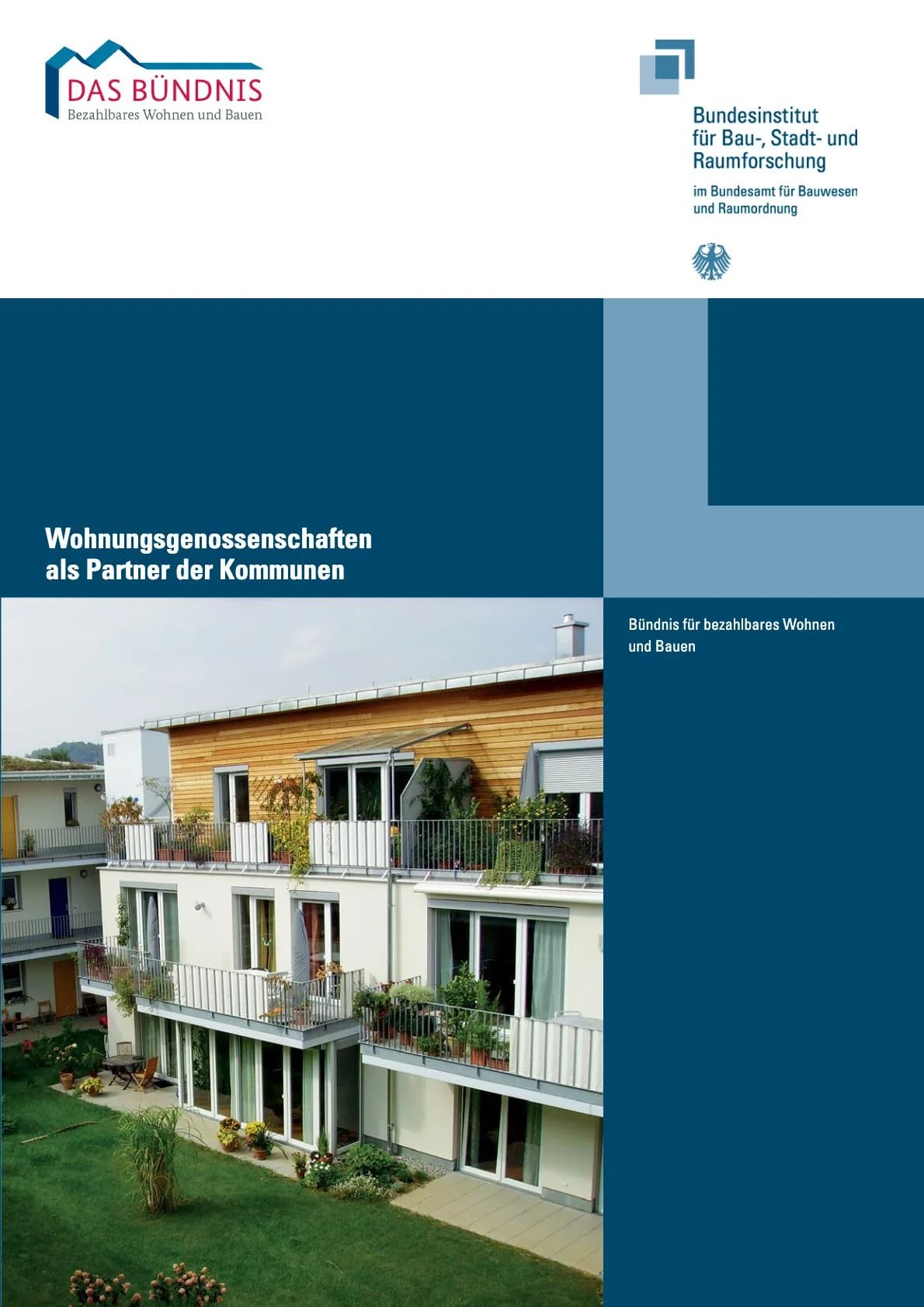
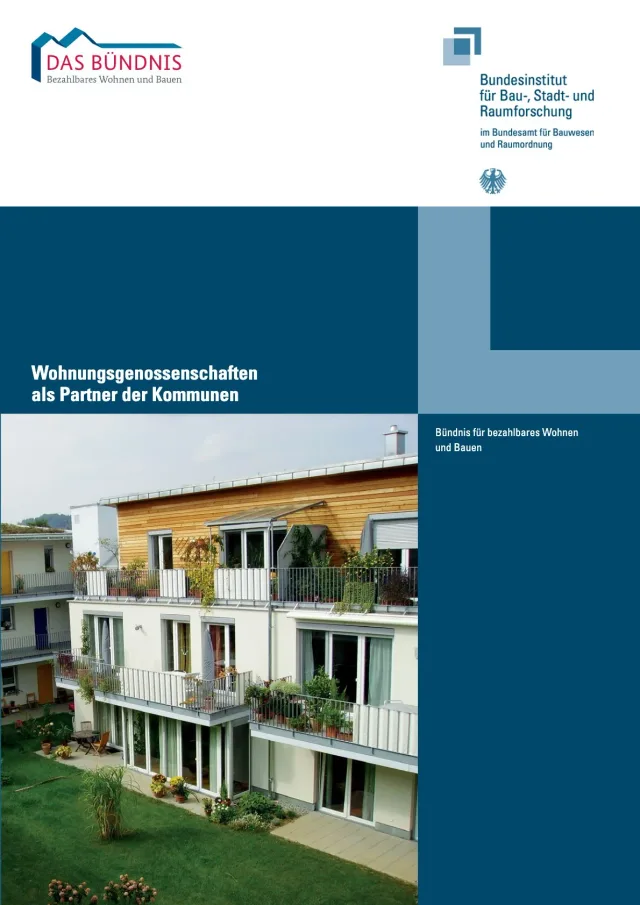
The publication “Bündnis für bezahlbares Wohnen und Bauen – Wohnungsgenossenschaften als Partner der Kommunen” is a research study produced by the Bundesinstitut für Bau‑, Stadt‑ und Raumforschung (BBSR) on behalf of the Federal Ministry for the Environment, Nature Conservation, Building and Nuclear Safety (BMUB). Authored by a team of senior researchers – Sigrid Schaefer, Carolin Krüger, Katrin Witthaus, Jan Krimphoff, Lena Bruce and Heike Schröder – the work draws on extensive field research, expert interviews and ten detailed case studies across German municipalities. Its purpose is to assess how housing co‑operatives can support affordable, sustainable living in partnership with local authorities.
Scope and Methodology
The study combines secondary literature review, expert workshops and qualitative analysis of ten representative housing‑co‑operative projects. Selection criteria included diversity of city size, regional distribution, the intensity of municipal cooperation and the presence of innovative building concepts. Data were gathered through interviews with co‑operative managers, municipal officials and consultancy firms, as well as site visits to projects ranging from new construction to retrofitting historic stock. The research aligns with the broader “Allgemeine Ressortforschung” programme and the federal “Alliance for Affordable Living and Building” launched in 2014.
Key Findings on Housing Stock
Housing co‑operatives own roughly 2 million dwellings, accounting for about ten percent of Germany’s rental market and providing homes for more than five million residents. In the 20 largest German cities, co‑operative market shares vary from 1 percent in Berlin to over 20 percent in Dresden, with Hamburg and Cologne each exceeding 14 percent. Overall, co‑operatives hold around 9.8 percent of the national rental stock, demonstrating a significant capacity to influence housing affordability.
Sustainability Contributions
Co‑operatives reinvest surplus earnings into modernisation, energy‑efficiency upgrades and barrier‑free adaptations, thereby extending the lifespan of existing buildings and reducing the need for new construction. Case studies highlight measures such as photovoltaic installations, district‑heating integration and comprehensive retrofits that lower carbon emissions while preserving affordable rents. The co‑operative model’s emphasis on member‑owned assets supports long‑term stewardship of the housing stock.
Co‑operation Models with Municipalities
The research identifies three principal forms of partnership:
- Formal cooperation contracts – legally binding agreements that link municipal land provision, public‑funding access and co‑operative development targets.
- Joint development projects – co‑operative participation in urban regeneration, mixed‑use quarters and social infrastructure (e.g., day‑care centres, community spaces).
- Informal networks and advisory platforms – regular exchange forums that facilitate knowledge sharing, joint planning and coordinated action on issues such as ageing populations and refugee accommodation. Successful examples include the Lübecker Bauverein’s multi‑year contract with the city of Lübeck and the investment bank of Schleswig‑Holstein, which enabled flexible allocation of publicly‑funded units and financed neighbourhood improvements. Similar arrangements in Hamburg, Dortmund and Stuttgart illustrate how co‑operatives can leverage municipal land, planning incentives and funding programmes to deliver affordable units while meeting local sustainability goals.
Economic and Social Impact
Co‑operatives generate around €4.5 billion in annual turnover, with net operating margins typically reinvested in member services, building maintenance and community projects. Their democratic governance – one member, one vote – ensures that profit maximisation does not override social objectives. The study notes that co‑operatives often provide lifelong tenancy rights, enhancing housing security for vulnerable groups such as seniors, low‑income families and students. In several case studies, co‑operative‑led projects have created mixed‑generation neighbourhoods that combine affordable rentals with communal amenities, fostering social cohesion.
Challenges and Recommendations
Key obstacles identified are regulatory complexity, limited access to capital for smaller co‑operatives and the need for clearer municipal land‑allocation procedures. The authors recommend:
- Establishing dedicated housing coordinators within municipal administrations to streamline co‑operative collaborations.
- Expanding public‑funded low‑interest loans and guarantee schemes for co‑operative start‑ups.
- Standardising cooperation‑contract templates to reduce negotiation time and increase legal certainty.
- Promoting co‑operative participation in early‑stage urban planning to integrate sustainability criteria from the outset.
Future Outlook for Pan‑European Audiences
While the study focuses on Germany, its insights are applicable across Europe, where housing affordability and climate‑neutral construction are pressing policy goals. The demonstrated capacity of co‑operatives to combine social ownership, long‑term tenancy and environmentally responsible refurbishment positions them as valuable partners for municipalities seeking to meet EU sustainability targets. Scaling these models will require coordinated policy frameworks, access to financing and the sharing of best practices demonstrated in the ten German case studies.