Overview of the Initiative
The Ministry for Home, Municipal Affairs, Construction and Digitalisation of North‑Rhine Westphalia (Ministerium für Heimat, Kommunales, Bau und Digitalisierung des Landes Nordrhein‑Westfalen) announced a major public‑housing investment aimed at modernising the City Wohnpark in Duisburg‑Hochfeld. The project is part of the state’s broader strategy to combine climate protection with the preservation of affordable rents, leveraging public‑housing funding to retrofit existing stock rather than pursue new construction.
Funding and Financial Scope
The state is providing €51 million from public housing promotion funds, contributing to a total investment of roughly €58 million for the comprehensive refurbishment of the 421‑unit City Wohnpark. Approximately €11,1 million of the €51,1 million allocation includes a repayment discount, reducing the financial burden on the municipal housing company GEBAG. Of the 421 apartments, about 395 are publicly funded and secured for low‑ and middle‑income households.
Project Scale and Physical Work
The City Wohnpark, built between 1969 and 1972, comprises 16 buildings with around 30 000 m² of residential floor area. The refurbishment, carried out in four construction phases over roughly five and a half years, has now largely concluded. Key measures include the energy‑efficient renovation of 29 000 m² of façade, improvement of building envelopes, replacement and modernisation of windows, and upgrades to entrances and stairwells. In addition, GEBAG independently renovated the interiors of 96 apartments, costs that are not covered by the public funding.
Climate Benefits
A project‑specific study estimated that retaining the existing building stock avoided the emission of approximately 15 000 tonnes of CO₂ compared with demolition and new construction. The energy‑saving upgrades to the building envelope further contribute to reduced heating demand and lower overall carbon footprints for the residents.
Community and Quality of Life Enhancements
Beyond technical upgrades, the programme introduced new communal spaces such as playgrounds, fitness areas and leisure zones, enhancing neighbourhood interaction. The redesign of outdoor areas respects existing trees and green spaces, improves wayfinding, and introduces better lighting to reduce perceived unsafe zones. A dedicated quarter office by GEBAG ensures ongoing on‑site presence and support for tenants.
Voices of Stakeholders
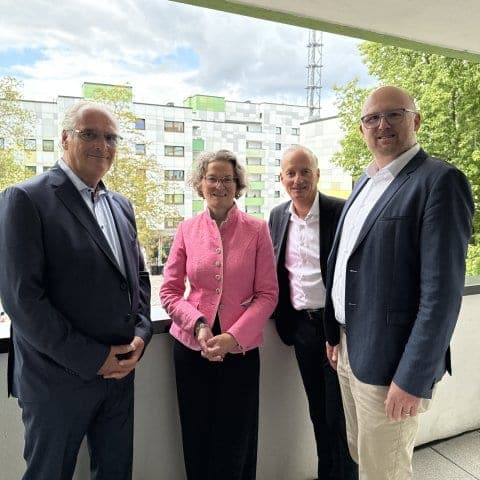
Minister Ina Scharrenbach highlighted the dual aim of climate protection and rent affordability, stressing that the €51 million investment secures long‑term housing for residents. Mayor Sören Link praised the project for its direct benefits to the Hochfeld community and its contribution to climate goals. GEBAG CEO Winand Schneider attributed success to cooperative planning with public agencies, notably NRW.BANK and the funding authority, and expressed gratitude to tenants for their patience.
Broader Policy Context
The investment aligns with the state’s €12 billion housing programme for 2023‑2027, the largest allocation ever for affordable housing in North‑Rhine Westphalia. This funding framework aims to stabilise the construction and housing sectors, ensuring that modern, energy‑efficient, and affordable homes become the norm across the region.