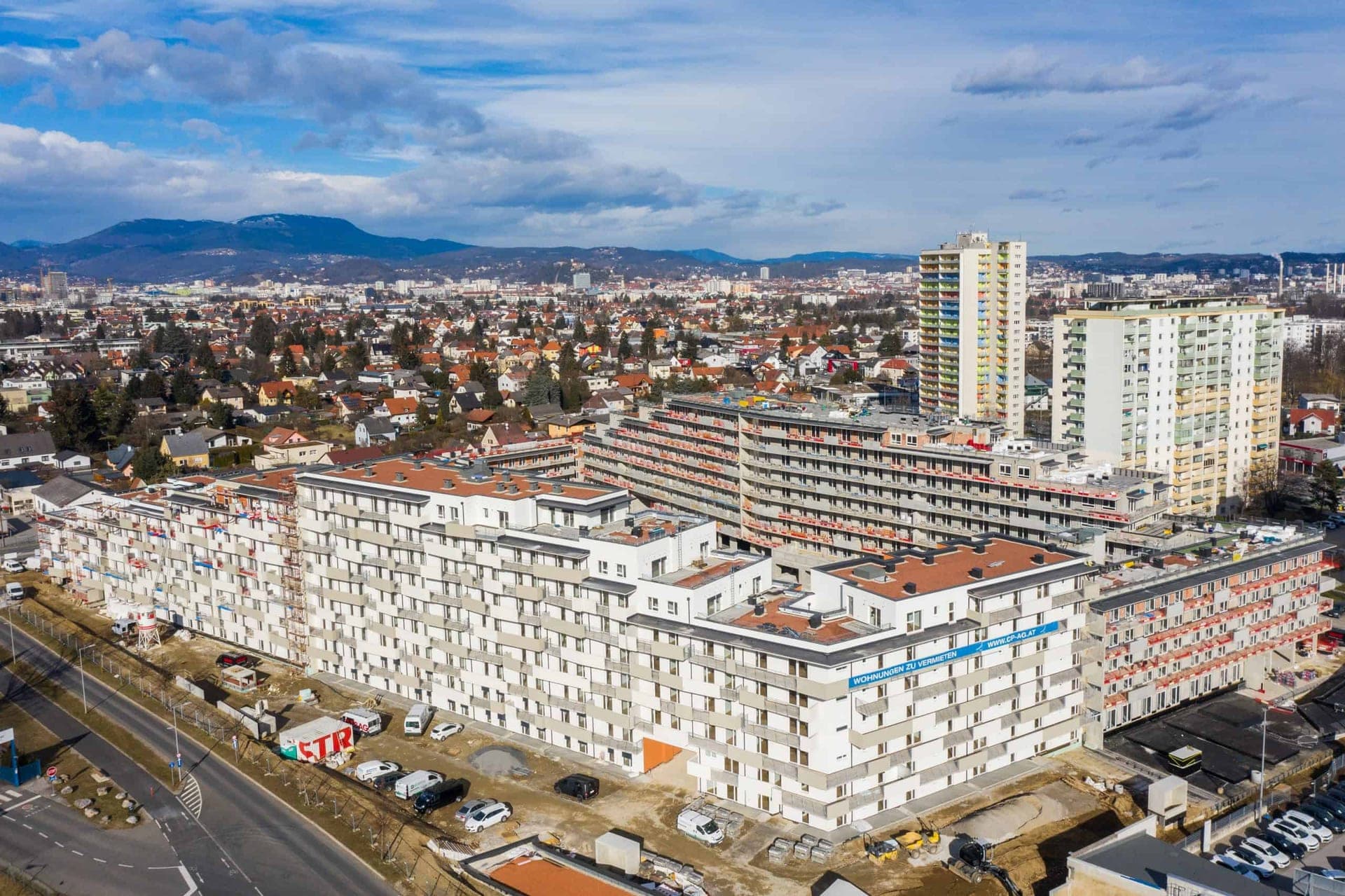
Graz’s Building Delays
The article, published by Wirtschaftsnachrichten and written by Stefan Rothbart, examines the chronic planning and permit delays affecting new‑build housing in Graz, Austria. It highlights how prolonged approval processes have turned a major residential development into a legal case, with developers seeking multi‑million‑euro compensation.
Impact on Housing Supply
Graz has attracted roughly 70,000 new residents over the past two decades and expects 2,000–3,000 newcomers annually. Yet the city’s housing stock is not keeping pace: only about 80 new municipal units are under construction, while the target of 500 new communal apartments by the end of the current term remains unrealised. A budget shortfall of around €8 million further restricts the municipal housing programme.
Legal Fallout
Developer Hannes Schreiner sued the city after a 35,000 m² office project stalled for seven years. The higher courts upheld his claim, prompting a wave of similar lawsuits. Legal experts estimate potential damage claims in the multi‑million‑euro range, though proceedings may extend for years.
Economic Consequences
The construction slowdown has already cost the city an estimated €10 million in a single planning dispute, with broader losses likely higher. Approximately 2,000 jobs have been lost, and investors are withdrawing, fearing further delays. The construction sector’s output in Graz has halved, threatening regional employment and economic stability.
Political Dynamics
The coalition led by Mayor Elke Kahr (KPÖ) and Green vice‑mayor Judith Schwentner faces criticism from opposition parties (ÖVP, NEOS, SPÖ) for inadequate administrative capacity. Critics argue that the 18‑month statutory deadline for zoning plans is routinely missed in over 80 cases, undermining the city’s ability to meet housing needs.
Planning and Administrative Issues
The article notes that the city’s planning office lacks sufficient staff and resources, causing repeated deadline breaches. Proposals to outsource planning work or increase personnel have not materialised. A petition to the state government seeks to relax zoning‑plan obligations when authorities fail to meet legal timeframes.
Funding Gaps
While the federal “Wohnbaumilliarde” allocates €110 million to Styria, much of this funding bypasses Graz due to the city’s procedural bottlenecks. The municipal housing operator “Wohnen Graz” faces a €8 million budget hole, limiting its capacity to develop new units.
Key Statistics
- Over 80 planning cases delayed beyond legal limits.
- Approx. 2,000 jobs lost due to construction slowdown.
- €10 million cost from a single planning dispute.
- Target of 500 new communal apartments versus only 80 under construction.
- 35,000 m² office project stalled for seven years.
Relevance to Sustainable Housing
The persistent delays hinder the delivery of energy‑efficient, high‑density housing that could reduce urban sprawl and carbon emissions. Without timely approval of sustainable building projects, Graz risks falling behind broader European targets for green urban development. The legal and political obstacles outlined in the article illustrate the challenges of aligning local governance with continental sustainability goals.