Context and Publication
The article, published by L’Espresso in August 2023, investigates the long‑standing crisis of shantytowns (baraccopoli) in Messina, Sicily. It examines the historical roots dating back to the 1908 earthquake, the present‑day living conditions of over 1,800 families across 72 settlements, and the complex bureaucratic and political obstacles that hinder sustainable housing solutions.
Living Conditions in Messina’s Baraccopoli
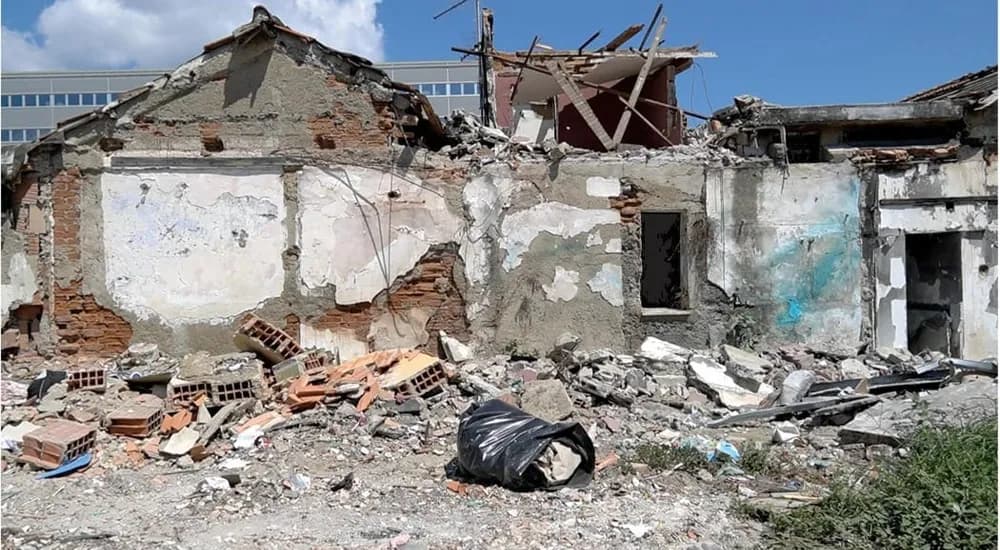
Families endure severe deprivation: damp walls, mould, water infiltration, dilapidated electrical installations, rat infestations, open sewers and asbestos‑covered roofs. In 2018, asbestos covered roughly 50,000 m² of the 240,000 m² total shantytown area. Many residents have lived in these structures since the 1970s, with limited access to health services; cases of illness linked to poor housing, such as toxoplasmosis and respiratory problems, are documented.
Funding Allocated for Renewal
The sub‑commissioner Marcello Scurria oversees a budget of €83 million inherited from his predecessor, supplemented by regional allocations of €235 million, a €100 million national fund (2021), and a government‑backed Pinqua project delivering €145 million by 2026. Despite this apparent financial abundance, only a small fraction of the estimated need—minimum 800‑1,000 housing units—has been addressed.
Allocation Gaps and Legal Framework
Law No 10 of 1990 established a special regime for shantytown renewal, yet in three decades only a handful of housing units have been assigned. The article notes that the law’s implementation has been hampered by administrative inertia and limited use of special powers granted to the extraordinary commissioner, leading to a persistent shortage of suitable dwellings.
Target Groups and Prioritisation
The renewal plan prioritises vulnerable households: families with children, persons with disabilities, and terminally ill patients. A 2018 health‑screening identified 90 people receiving integrated home care and 10 in palliative care. The strategy includes a census in collaboration with the provincial health authority to locate these priority groups.
Implementation Mechanism
The agency A.Ris.Mé identifies vacant properties, proposes them to the sub‑commissioner for purchase, and contracts Invitalia to rehabilitate the buildings. Once refurbished, families receive a lease; after one year, they may acquire ownership. This public‑private partnership aims to convert derelict stock into sustainable housing, though the process remains slow.
Institutional Actors and History
A.Ris.Mé, founded in 2018 by former mayor Cateno De Luca, has cleared seven areas, providing homes to 200 families. Earlier, a 2017 “Capacity” project, co‑financed with €18 million, delivered housing to 151 families below the poverty line, using a grant covering 75 % of purchase price, capped at €80,000. The grant scheme is no longer active, limiting current options.
Political Challenges and Outlook
The article highlights that even with the sizeable funds, the renewal effort confronts political fragmentation, delayed decision‑making, and a lack of decisive leadership. Scurria’s mandate ends 31 December 2024, and he acknowledges that the problem will not be solved by 2024. Continued mistrust among residents, who feel used as electoral pawns, further complicates progress toward sustainable, dignified housing.