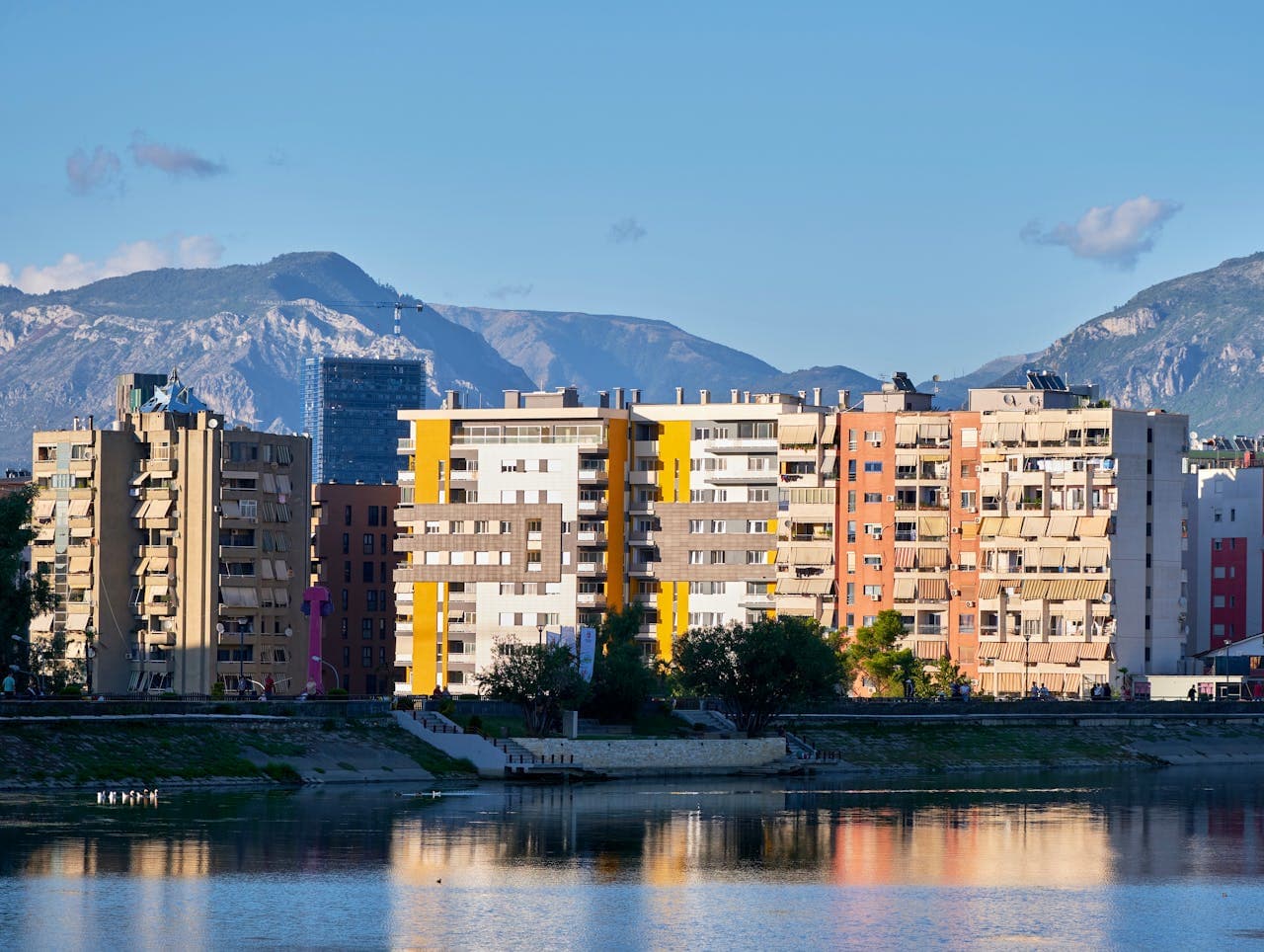
Context and Origin
The report “Albania’s urban growth: the need for a strategic housing policy” is published by Housing Europe, the European network of public housing organisations, and co‑authored by Alice Pittini, Research Director at Housing Europe, and Edit Lakatos, Senior Policy Officer at the same organisation. It draws on an analysis by the United Nations Economic Commission for Europe (UNECE) and presents a comprehensive overview of Albania’s rapid urbanisation, the challenges facing its housing sector and the policy measures required to achieve sustainable, livable cities.
Urbanisation Pressures
Albania is among the fastest‑urbanising countries in Europe. The surge in city growth has created a shortage of affordable housing in high‑growth zones while leaving declining areas with widespread deprivation. Social rental housing accounts for only about 0.1 % of inhabited dwellings, a figure far below the European average, highlighting a severe lack of public‑sector housing provision.
Recent Shocks and Economic Context
The November 2019 earthquake affected over 200,000 people and required the reconstruction of more than 11,000 housing units, putting further strain on public finances. The COVID‑19 pandemic added to the pressure, causing a 3.3 % drop in GDP in 2020. Nevertheless, the economy rebounded with growth rates of 8.9 % in 2021 and 4.8 % in 2022, indicating fiscal capacity for future housing investments.
Housing Market Structure
Since the 1990s, Albania’s housing market has been dominated by private homeownership, including many self‑built and informal constructions. The social rental sector, whether public, private or mixed, remains marginal at 0.1 % of total dwellings, limiting its ability to compete with the private market and to provide affordable options for low‑income families.
Policy Recommendations
The report outlines several evidence‑based recommendations:
- Introduce a well‑functioning housing‑allowance system, centrally coordinated, to improve rent‑payment stability and ensure cost recovery for social rentals.
- Strengthen municipal capacity to maintain quality and social mix in social housing, avoiding segregation.
- Establish a strong non‑profit partner to act as a dedicated social‑housing provider.
- Enhance institutional frameworks and technical capacity at local levels.
- Develop large‑scale social‑rental programmes with support from international financiers such as the European Investment Bank (EIB) and the Council of Europe Development Bank (CEB).
- Mobilise private capital through a Social Rental Agency model.
Financing and Institutional Capacity
Local governments are urged to improve expertise across the housing development cycle, including standards for construction, procurement, supervision and the management of diverse financing sources (loans, national and municipal budgets). The report stresses the need for coordinated financing mechanisms to sustain long‑term housing programmes.
Sustainable Housing Outlook
By elevating housing policy to a central component of sustainable urban development, Albania can align with European standards for livable, inclusive cities. The recommendations aim to create a resilient housing system capable of addressing rapid urban growth, post‑disaster reconstruction needs and the broader goal of social equity in housing.