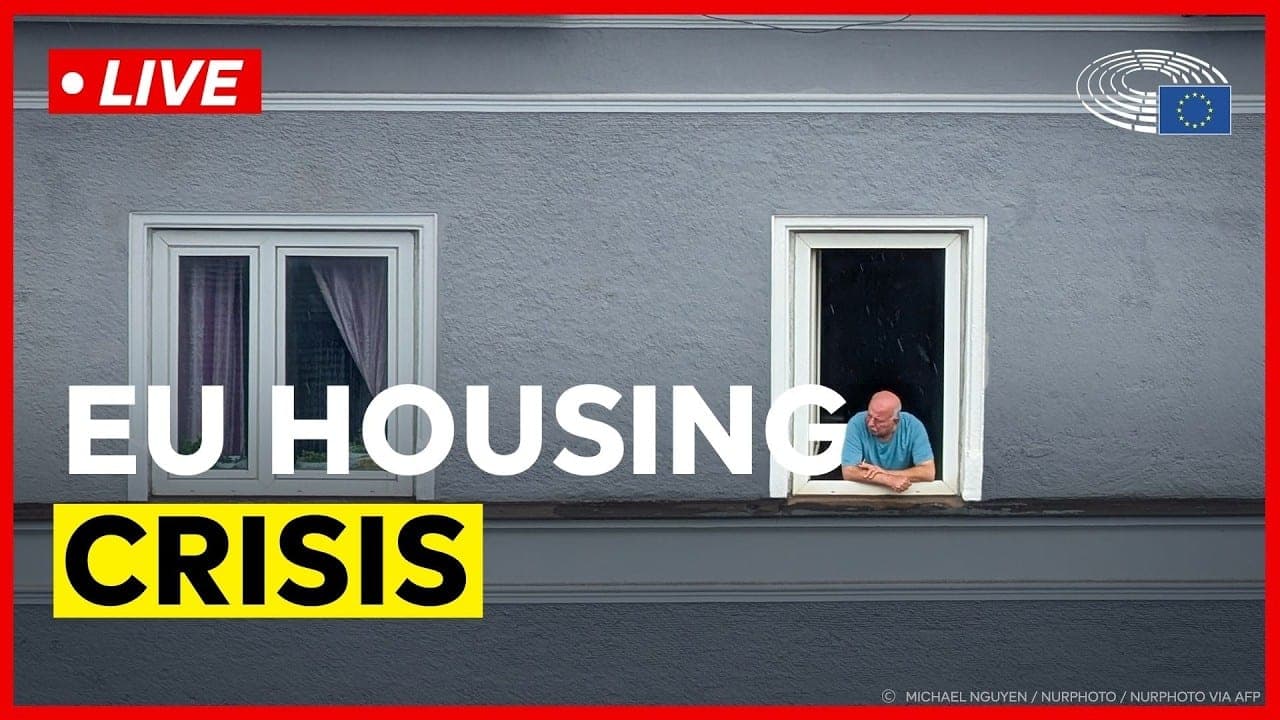
Overview of the Parliamentary Debate
The European Parliament hosted a high‑profile debate on affordable housing, streamed on the Parliament’s YouTube channel. Commissioners Dan Jørgensen and Yansson, alongside authors Colleenova and other MEPs, examined the EU‑wide shortage of homes, the impact on young people, and the forthcoming Affordable Housing Act. The discussion highlighted the social and economic urgency of the crisis and set the stage for forthcoming legislative measures.
Legislative Context and Objectives
The Affordable Housing Act, presented by the Irish Presidency, aims to create a legal framework for member states to identify housing‑stress areas and implement proportionate measures. It seeks to protect affordability, regulate short‑term rentals, and support vulnerable households while respecting subsidiarity. The Act does not impose a uniform solution but provides tools for local and regional authorities.
Key Statistics on the Crisis
- EU‑wide housing shortages affect approximately 10 million households.
- In Spain, housing prices have risen 74 % for purchase and 40 % for rent over eight years.
- Youth in many member states spend over 40 % of income on housing, limiting mobility and family formation.
- Short‑term rentals account for about 1.2 % of the European housing stock but are flagged as a contributing factor in high‑demand cities.
- The European Commission estimates a need for 2 million new homes per year for the coming decade.
Policy Measures Discussed
Speakers called for faster permitting, reduced bureaucratic red tape, and simplified planning procedures. Proposals include:
- Local authorities empowered to cap short‑term rentals and vacant properties.
- Financial incentives for developers to build affordable units.
- Public‑private partnerships to mobilise EU funds, targeting 970 million € up to 2030 for social housing.
- Energy‑efficiency standards balanced against construction costs to avoid price inflation.
Perspectives from Member States
Representatives from Ireland, Spain, Italy, Hungary, Sweden, and Finland shared national experiences. Ireland emphasised the need for tools rather than mandates. Spain highlighted the dramatic price surge and the social unrest it fuels. Hungary’s data showed over 300 000 families benefitted from previous housing programmes, yet recent price hikes have negated many gains. Nordic countries stressed the importance of maintaining a strong social safety net while encouraging private investment.
Stakeholder Concerns
Housing NGOs, tenant associations, and youth organisations warned that overly restrictive regulations could deter investment. Conversely, critics of speculative investment argued that vulture funds and large‑scale short‑term rentals exacerbate scarcity. The debate underscored a consensus that both supply‑side expansion and demand‑side protections are essential.
European Union’s Role and Funding
The EU is poised to allocate additional resources through the European Investment Bank and the EU Cohesion Fund. Proposals include a dedicated European affordable‑housing fund, mirroring the European Social Fund, to finance construction, renovation, and the acquisition of vacant properties for public use.
Next Steps in the Legislative Process
The European Council will review the draft, followed by trilogue negotiations with the Parliament and Commission. Amendments are expected to address regional disparities, ensure proportionality of measures, and refine data‑collection requirements for identifying housing‑stress zones.
Outlook for Sustainable Housing
The debate linked affordable housing to broader sustainability goals, noting that energy‑efficient, well‑planned homes contribute to climate targets. By streamlining building permits and encouraging retrofits, the EU aims to reduce carbon emissions while expanding the supply of affordable, resilient housing for its citizens.