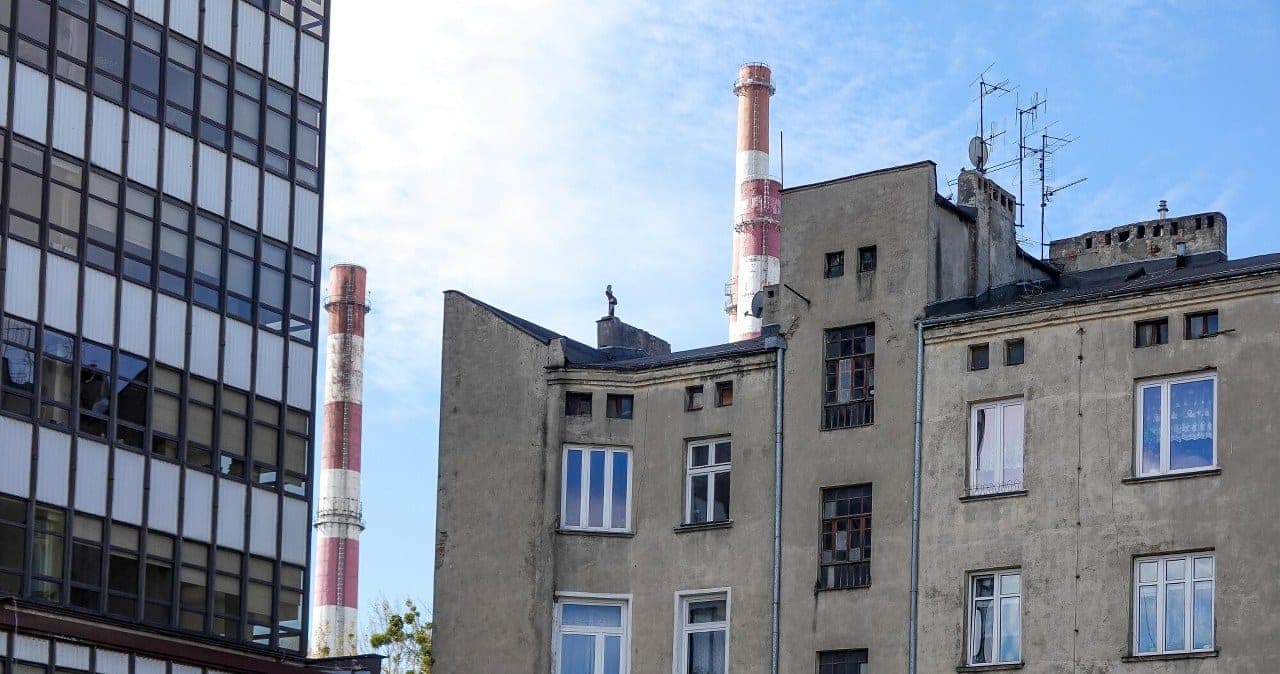
Housing Crisis in Łódź – Context and Scope
Łódź, a major Polish city with about 620 000 inhabitants, faces a severe municipal housing shortage. The city’s stock comprises 37 251 dwellings, of which 27 % (approximately 10 222 units) are vacant. This proportion is the highest among large Polish cities, far exceeding the vacancy rates in Bydgoszcz, Gdańsk, Warsaw, Katowice and Kraków. The vacant flats are largely outdated municipal apartments built before 1945, many suffering from severe technical wear.
Vacancy Breakdown – Numbers and Destinations
The municipal report distinguishes the fate of the empty units: 2 413 are earmarked for demolition, 1 247 for renovation, 580 are in poor technical condition, and 338 await new occupants. The remaining 5 644 flats (over half of the vacancy) fall under “other reasons”, which the city’s press office effectively treats as demolition plans. Consequently, roughly half of all empty municipal apartments are slated for razing.
Technical Deterioration – Age and Condition of the Stock
Over 9 198 flats reside in buildings with technical wear exceeding 70 %, while another 24 688 are in structures with 51‑70 % wear. These figures have remained stable since 2011, indicating a fifteen‑year stagnation in the city’s ability to refurbish or repurpose its housing stock. Additionally, more than 14 000 units lack basic sanitary facilities, further limiting their suitability for habitation.
Comparative Perspective – Łódź Within Europe
Across the European continent, an estimated 47 million homes stand empty, alongside 23 million vacant office spaces, while 1,1 million people lack housing. The existing building stock could theoretically accommodate up to 107 million additional dwellings, with renovation costs 20‑60 % lower than new construction. This underscores the potential of converting existing vacant spaces into affordable homes.
Policy Initiative – “Right to Housing! Now and Forever”
A pan‑European citizen’s initiative, “Right to Housing! Now and Forever”, launched by HouseEurope!, seeks to regulate vacant properties and short‑term rentals, promote the conversion of empty buildings into residences, and secure funding from the European Housing Fund. The campaign aims for one million signatures from at least seven EU member states by September 2025, advocating for enforceable affordability standards and tenant protection during EU‑financed renovations.
Local Governance – Municipal Stance and Challenges
Łódź’s municipal authorities acknowledge the scale of vacancy but frame the issue as a demolition problem rather than a reuse opportunity. While the city owns the majority of the empty flats, financial constraints and the high cost of refurbishment impede large‑scale rehabilitation. The local administration’s communication aligns demolition figures with the “other reasons” category, suggesting a policy preference for dismantling over repurposing.
Implications for Sustainable Housing
The data illustrate a paradox: a city with a substantial number of centrally located, infrastructure‑connected apartments faces a housing deficit, yet half of the vacant stock is slated for demolition. Sustainable housing strategies could harness these existing structures, reducing the environmental impact of new construction and preserving urban fabric. The European initiative’s emphasis on conversion, financial incentives, and regulatory reforms offers a framework that could be applied to Łódź and similar contexts.