
A city that sold its homes, then started building again
London is one of the most international cities on Earth, home to roughly 8.8 million people who between them speak more than 300 languages. It is also a city that spent four decades selling its public housing to its tenants, then watched a generation of Londoners priced out of the homes that remained. That tension still defines the market: an enormous social stock built up over the twentieth century, steadily eroded, and a renewed scramble to build council homes again.
Ownership and renting are split almost evenly across the capital: 46.7% of households own their home, 53.2% rent. Public housing — council and housing-association homes — is unusually large at 23.1% of dwellings, some 781,000 homes across the capital. Cooperative housing, by contrast, is tiny: only 0.9% of dwellings, about 32,000 homes across roughly 150 housing co-ops, sheltering 0.9% of Londoners. The rest is private rental, around 29.2% of the stock, with a residual 24% of dwellings counted as non-market once council, association and cooperative homes are added together.
- Owners
- Owner-occupier46.7%
- Renters
- Public & non-profit rental23.1%
- Cooperative0.90%
- Private rental29.2%
- Unclassified0.10%
- Unknown / Other0.10%
Social housing in London is a rule, not a tenure. Around 23.1% of dwellings carry a social-housing covenant — below-market rent and needs-based allocation — and that layer sits across the tenure slices rather than forming one of its own. Most of it is council and housing-association stock; a slice rides on private schemes delivered under Section 106 (the planning obligation that requires affordable homes inside new private developments) or on shared-ownership terms. Demand for it dwarfs supply: only about 10% of households can realistically expect an allocation, and London Councils counts 336,366 households on the social-housing waiting list.
What that scarcity costs depends entirely on which door a Londoner gets through. Tenants in cooperative homes pay around €9.60 per square metre and council and association tenants about €9.84, both regulated well below the market. Out on the open market the all-stock median sits near €35.10, a newly-let private contract asks much the same, and furnished and serviced lets reach about €36 per square metre gross. From the social floor to a new market rent is a leap of more than three to one — among the widest regulated-to-market gaps of any European capital.
- Cooperative
- Public/municipal housing
- All-stock median
- New contracts
- Furnished / serviced (gross)
Net-cold monthly rent per square metre by tier (furnished is gross, all-in). The regulated social and cooperative floor sits far below the market median; a newly-let private contract runs more than three times the social rate — one of the widest regulated-to-market gaps of any European capital.
Where the slack hides is contested. Homes sit empty only rarely — long-term residential vacancy runs around 0.6%, roughly 22,500 homes left empty across Greater London, and the rental vacancy rate is tighter still at about 1.7%. The real surplus is commercial: roughly 2.6 million square metres of central-London office floor stands vacant, an office vacancy rate near 9% as hybrid working reshapes demand. Short-term letting then bites harder locally than the city-wide vacancy figure lets on. Around 17,823 dwellings operate as full-time entire-home short-term rentals; modest as a share of all stock, they cluster heavily in the central boroughs, thinning long-term supply in exactly the areas under most pressure.
Arrivals outpace construction by a wide margin. London draws around 743,000 internal and international arrivals a year while consenting only about 18,000 new homes annually — far below what its growth implies. That gap no longer bites only the poorest; it has climbed into the middle. London carries roughly 65,000 people in temporary or homeless accommodation, around 12% of households in energy poverty, and about 6,500 court evictions a year. A recent EU-wide analysis of housing affordability names London alongside Amsterdam and Barcelona as the cities where the cost of market housing has become the defining political issue, and a separate study maps how corporate landlords have steered rents upward across the capital. That cooperative share, barely one home in a hundred, sits inside a system that has all but forgotten the form.

The co-op that Right to Buy left behind
The London housing co-op is, in the main, a fully mutual rental cooperative: members are tenants who collectively own and run the homes through the society, with no individual equity stake to sell on. That structure is the form’s great strength here. Because no member holds a tradeable share, a co-op home cannot be bought out under Right to Buy, so it stays affordable while the surrounding council stock is sold off. A handful of co-ownership and shared-equity variants exist, but the rental-mutual model is the London mainstream.
The tradition is older and thinner than on the continent. London’s co-ops grew mostly across the later twentieth century, when tenant-management organisations, short-life housing groups squatting empty council property, and the Co-operative Development Society built a modest sector. Two political currents then reshaped it: the Right to Buy pulled value out of the wider social stock, while the co-ops that stayed mutual were sheltered from it. For two decades the sector barely grew, overshadowed by large housing associations that became the country’s main affordable-housing builders.
Today the sector clusters into three groups facing different problems. The legacy rental co-ops — Coin Street’s societies, the homes managed through the Co-operative Development Society — now spend most of their energy maintaining and retrofitting ageing buildings on thin reserves, a challenge the cooperative-capital research describes precisely. A second cluster is the community land trust movement, led by the London Community Land Trust, which separates land from buildings to lock in affordability. A third is the small cohousing wave, resident-led groups commissioning new homes around shared space. The legacy co-ops struggle with repair costs and ageing membership; the CLTs and cohousing groups struggle with land and finance in the most expensive land market in Europe. A recent analysis asks plainly whether co-ops can solve the housing crisis, and finds both genuine promise and stubborn limits of scale.

Where City Hall places the co-op tells you where its housing politics is heading. A 2025 London Assembly report argued for expanding cooperative housing and land trusts as a permanently-affordable channel, recommending dedicated land, grant access and a stronger Community Led Housing hub. The funding logic that makes the cooperative city possible — patient finance, recycled land value, blended public and civic capital — is laid out in detail in a dedicated study of community finance for civic spaces. The instruments are modest so far, but the framing has shifted: the co-op and the land trust are now named in the capital’s affordable-housing strategy rather than treated as a fringe.
Building council homes, and arguing about the price
London’s housing politics is the politics of building back what was sold. Sadiq Khan, the Mayor of London, has staked his record on council homes, with Tom Copley as Deputy Mayor for Housing and Residential Development running the delivery. City Hall has committed to start 40,000 new council homes by 2030 and points to more than 25,000 built or started with its funding since 2018. The headline vehicle is now the £12bn London Social and Affordable Homes Programme for 2026 to 2036, the city’s slice of a ten-year national push.
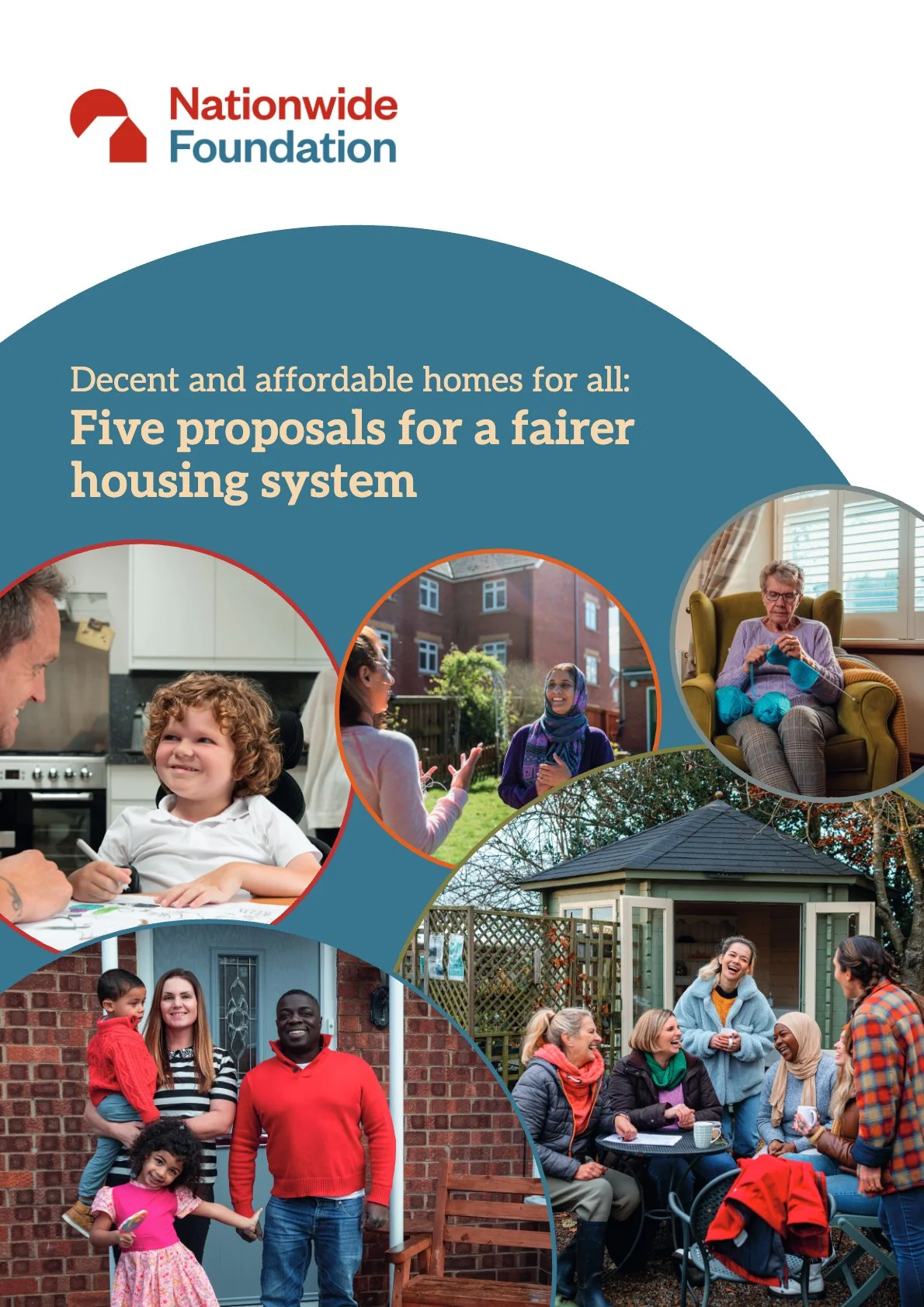
I'm a Mayor that has built more council houses than any time since the 1970s, so I understand the importance of council housing.Three tiers of government share the controls, which is both the strength and the friction of the system. The national government sets the money and the law: Homes England has opened bidding on a £39bn Social and Affordable Homes Programme aiming for around 300,000 affordable homes over a decade, part of the parliament’s pledge to build 1.5 million homes. The Greater London Authority allocates London’s funding and sets the planning rules. The 32 boroughs own much of the land and deliver the council homes on the ground. A five-proposals primer for a fairer housing system pinpoints that very fragmentation when it calls for a single Housing Strategy Committee to pull the tiers together.
Cooperatives and land trusts sit deliberately inside this programme now. The 2025 London Assembly work on co-ops and CLTs pressed for dedicated land, easier grant access and a better-resourced Community Led Housing hub, hosted by the Co-operative Development Society. The instruments are still small against the scale of need, but the direction is set: community-led housing is treated as a permanently-affordable supply line rather than a curiosity, and the UNECE region’s #Housing2030 review of effective affordable-housing policies shows how modest, well-targeted support can grow such a sector.
Those vacant office floors have a policy answer, if only a partial one. London’s planners push office-to-residential conversion as hybrid work empties towers, and the case for repurposing the capital’s vacant commercial floor is made forcefully in paired studies of Europe’s obsolescent offices and of repurposing England’s empty buildings into social homes. Yet most offices convert poorly to housing, and luxury conversions tend to crowd out affordable ones. There is no London-wide vacant-homes tax beyond the council-tax premium on long-empty homes, and the binding constraint remains land cost and viability rather than a shortage of bricks.
In London the climate question and the affordability question have merged into one. The housing stock averages around 70 years old, only about 18% of dwellings are energy-efficient, and the renovation rate crawls at roughly 0.9% a year — far short of the deep-retrofit pace the climate targets demand. Retrofitting the council and association stock is the largest single lever, which ties the city’s net-zero ambition directly to the social tier it is trying to rebuild. The engineering case for adaptive reuse over demolition spells out both the carbon savings and the structural limits of converting rather than rebuilding.
- 1980[source]
Right to Buy
The 1980 Housing Act gives council tenants the legal right to buy their homes. Over the following decades more than 2 million social homes are sold across Britain, the great majority never replaced — the policy that hollowed out London’s council stock.
- 1984[source]
Coin Street co-operatives
A community-led campaign wins the South Bank site from office developers, and Coin Street Community Builders begins delivering award-winning co-operative homes on social rents — a rare London model where members cannot exercise Right to Buy.
- 2007[source]
London CLT founded
A coalition of community organisers under London Citizens establishes the capital’s first community land trust, pegging home prices to local incomes rather than the open market.
- 2017[source]
St Clements opens
London CLT’s flagship delivers 23 permanently-affordable homes inside the redeveloped St Clements hospital site in Tower Hamlets, after a decade of campaigning.
- 2018[source]
Building Council Homes for Londoners
City Hall launches its first dedicated council-homebuilding programme. By 2025 more than 25,000 council homes have been built or started with City Hall funding.
- 2023[source]
Citizens House completed
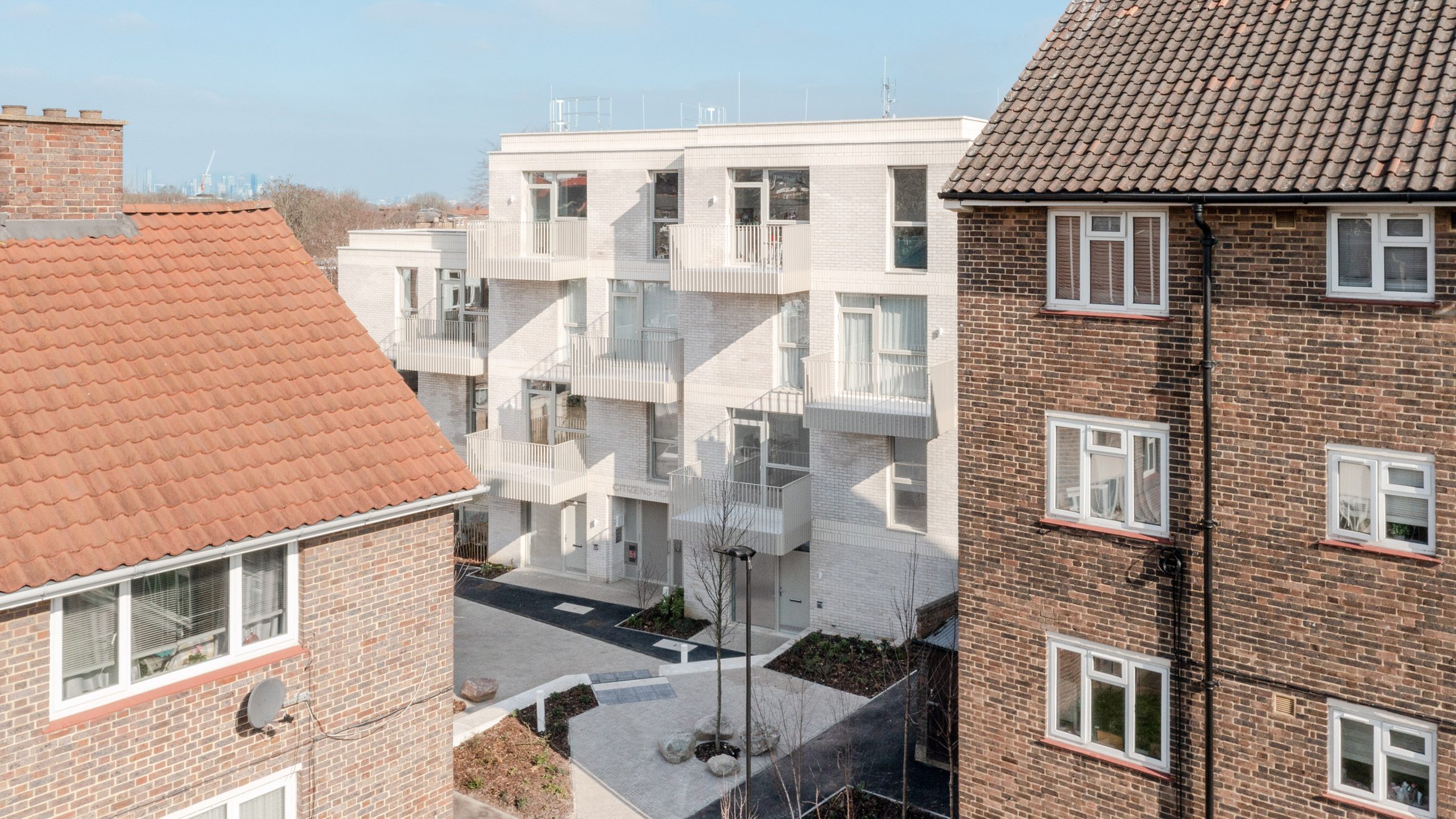
London CLT opens 11 permanently-affordable flats in Sydenham, Lewisham, priced at roughly 65% of local market rates after a ten-year community campaign.
- Oct 2025[source]
Affordable-threshold debate
Facing a stalled market, the Mayor and government weigh cutting London’s affordable-housing requirement on new schemes from 35% to 20% to restart building — a move MPs and campaigners contest.
- 2026–2030[source]
40,000 council homes
The Mayor commits to start 40,000 new council homes by 2030, backed by the £12bn London Social and Affordable Homes Programme; early Land Fund starts run ahead of the interim 8,000 milestone.
- 2026–2036[source]
National ten-year programme
Homes England opens bidding on the £39bn Social and Affordable Homes Programme, aiming for around 300,000 affordable homes over a decade as part of the parliament’s 1.5 million-homes target.
From the Right to Buy that emptied the council stock, through the community-land-trust revival, to the council-homebuilding pledge and the ten-year national affordable-homes programme.
The sharpest current argument is about price, not principle. Facing a stalled market, the Mayor and government have weighed cutting the affordable-housing requirement on new schemes from 35% to 20% to restart building. Sadiq Khan defends his council-homes record and frames the cut as a way to unstick a market that has almost ground to a halt. Apsana Begum, the Labour MP for Poplar and Limehouse, called the proposed reduction an insult given the waiting list, and Conservative and Liberal Democrat critics dismissed the wider package as too little, too late. All sides agree London must build far more; they disagree on how much of it should be affordable, and who pays.
The announcement that the requirement will be reduced to 20 per cent therefore feels like adding insult to injury.Land taken back: trusts, co-ops and the homes the market would not build
London’s working examples run from a hospital reborn as community-owned flats to a dozen artists housed in exchange for teaching, and the thread that connects them is land taken out of the speculative market and held for use. The cases below run from the capital’s most established land trust to its most experimental resident collective, before turning to the institutions trying to make the model repeatable.
The London Community Land Trust is the clearest proof the form can hold in the most expensive land market in Europe. Its flagship at St Clements in Tower Hamlets put 23 permanently-affordable homes inside a redeveloped hospital site, and its Citizens House scheme in Lewisham added 11 flats priced at a discount to local market rates and pegged to local incomes, sold on to the next local family at the same discount. The catch is scale and speed: each project took the best part of a decade of community organising, and a few dozen homes across two flagships is a rounding error against a social-housing waiting list of well over 300,000 households.
Coin Street Community Builders is the older, larger sibling. From 1984 the organisation won a South Bank site from office developers and built around 220 co-operative homes on social rents, housing more than a thousand people, with the leasehold held jointly so no member can sell out under Right to Buy. Its limit is that it is almost unrepeatable: it depended on a once-in-a-generation land windfall and a long planning fight that few community groups could now win.

New Ground in High Barnet is the cohousing experiment that finally broke through. Developed by the Older Women’s Co-Housing group, it delivered 25 flats around a shared garden — the UK’s first senior cohousing scheme. It is also a cautionary tale: the group spent some 13 years searching for sites, losing them, and wooing reluctant housing associations before the homes were built, a struggle its own history attributes partly to ageism and an unfamiliar model. Copper Lane, a six-home self-built cluster in Stoke Newington with a shared courtyard and a 999-year lease, shows the same ambition at the smallest scale, and the same difficulty assembling land and finance.
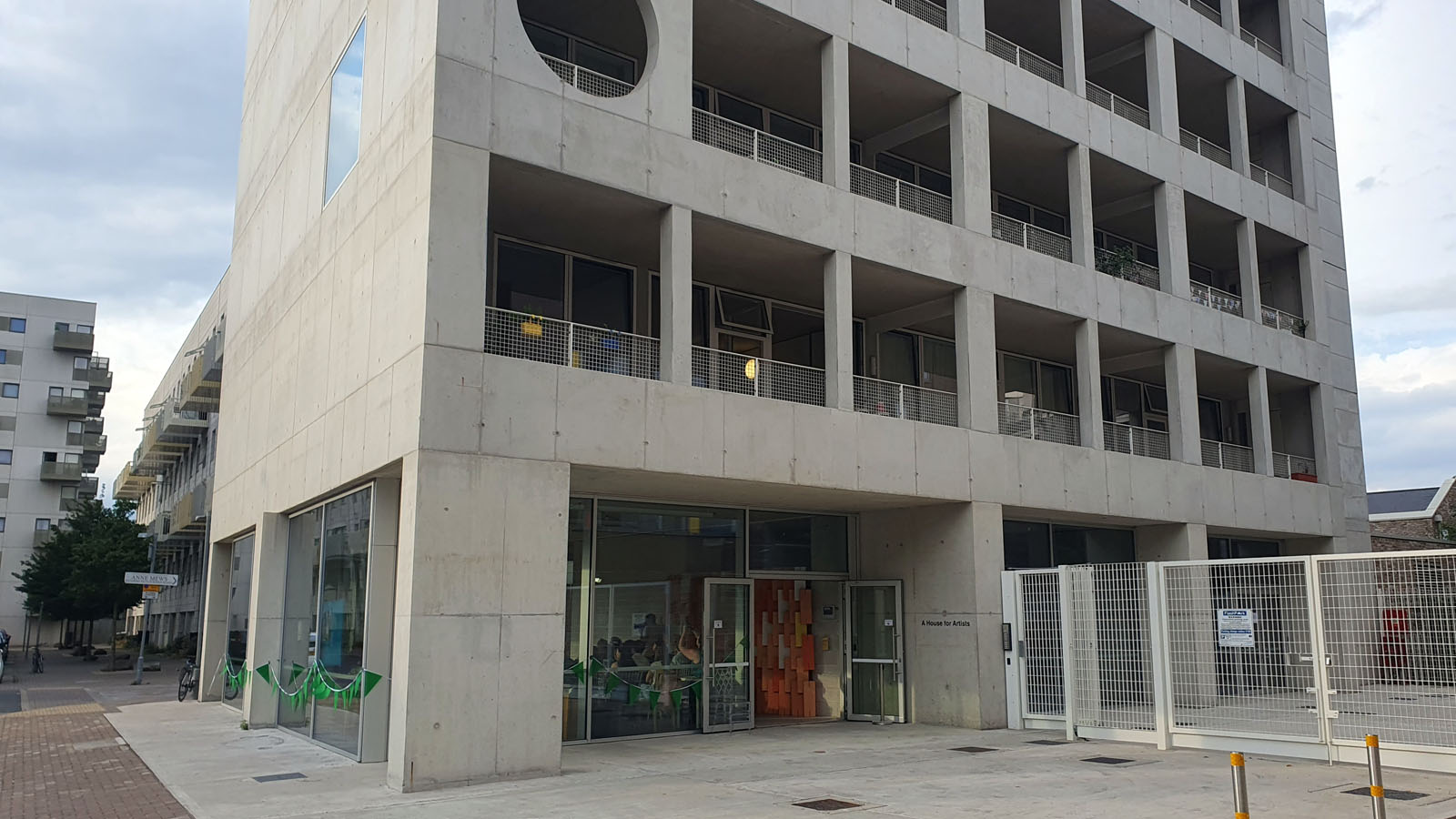
A House for Artists in Barking shows how a council can bend the model. Twelve artists live in stacked flats with movable walls and a public exhibition hall, paying reduced rent in exchange for free creative programmes for the neighbourhood; it won a national award for the country’s best new affordable housing. The friction is that it works because the borough’s regeneration arm carried the risk, and the art-for-rent bargain is hard to standardise. The design collective Assemble, which earned its reputation rebuilding Liverpool’s Granby Four Streets with residents, is part of a London cohort proving that community-led, low-cost building can also be very good architecture.
Whether any of this scales is decided one layer up, among the institutions that move land, money and method. Places for People is one of the largest providers of affordable and mixed-tenure housing in the country, and The Housing Finance Corporation channels long-term bond finance into affordable housing that individual co-ops and associations could never raise alone. The Royal Institution of Chartered Surveyors and the Urban Land Institute convene the developers and valuers whose appraisal methods decide what gets built, while the New Economics Foundation and Don’t Waste Buildings press the case for repurposing what already stands. It is a far thinner cooperative layer than Vienna’s or Zurich’s. But it is real, and it is being rebuilt on the one asset London cannot give away twice: land held in common, and a city full of buildings waiting to become homes.
References
Statistics19Click on any number to see the source
Housing market
Tenure & affordability
Cooperative, social & public
Adaptive reuse & vacancy
Population & migration
From our library22
- Transdisciplinarity for Affordable and Sustainable Housing — Knowledge
- Cities for rent — Knowledge
- The Capital Conundrum for Co-operatives — Knowledge
- London Community Land Trust — Organisation
- Can co-ops solve the housing crisis? — Knowledge
- Funding the Cooperative City: Community Finance and the Economy of Civic Spaces — Knowledge
- Decent and affordable homes for all: Five proposals for a fairer housing system — Knowledge
- #Housing2030 Effective policies for affordable housing in the UNECE region — Knowledge
- Rethinking European Offices 2030 - Risks and Opportunities from Obsolesence — Knowledge
- Repurposing Empty Spaces - Addressing the Housing Crisis Across England, Scotland and Wales in 2025 — Knowledge
- Adaptive Reuse for Housing — Knowledge
- Coin Street Community Builders — Organisation
- New Ground — Project
- Copper Lane — Project
- A House for Artists — Project
- Assemble — Organisation
- Places for People — Organisation
- The Housing Finance Corporation Limited — Organisation
- RICS (Royal Institution of Chartered Surveyors) — Organisation
- Urban Land Institute (ULI) — Organisation
- New Economics Foundation — Organisation
- Don't Waste Buildings — Organisation
Further sources15
- Mayor set to deliver 8,000 homes ahead of 2030 target — Greater London Authority
- Mayor Khan hails council homes as he prepares to cut affordable-housing requirements — Fitzrovia News
- Khan preparing to cut affordable-homes threshold from 35% to 20% — Barnet Post
- MPs slam move to cut London affordable-housing ratio — Hackney Citizen
- Tom Copley — Deputy Mayor for Housing and Residential Development — Greater London Authority
- London Social and Affordable Homes Programme 2026-36 — Greater London Authority
- Homes England opens bidding for ten-year Social and Affordable Homes Programme — GOV.UK / Homes England
- Expanding Cooperative Housing & Land Trusts in London — London Assembly
- Right to Buy: the public’s loss, the landlords’ gain — CPRE London
- Citizens House — permanently affordable homes in Lewisham — Citizens UK
- St Clements — London CLT — London CLT
- Introduction to Co-operative Housing — Coin Street — Coin Street Community Builders
- New Ground / OWCH cohousing — history — Older Women’s Co-Housing
- A House for Artists, Barking — RIBA award — RIBA Journal
- London CLT — about — London CLT