Magyar Építő Zrt., headquartered at Pillangó utca 28 in Budapest, is one of Hungary’s oldest continuously operating construction companies, founded in 1889 as a subsidiary of the Ganz Group during the country’s late-19th-century industrial expansion. The company was nationalized in 1946, reorganized as State Construction Company No. 21, and remained a central player in large-scale public works in Budapest for much of the socialist era.
Following Hungary’s 1990s transition, Magyar Építő was privatized, and by 2015, a controlling stake was acquired by Körösaszfalt Mélyépítő Zrt.; since 2016, it has operated under joint control with West Hungaria Bau Kft. and Építő és Épületkarbantartó Zrt. The firm has maintained financial stability, being certified with the Dun & Bradstreet AAA rating in recent years and employing about 150 people as of 2025.
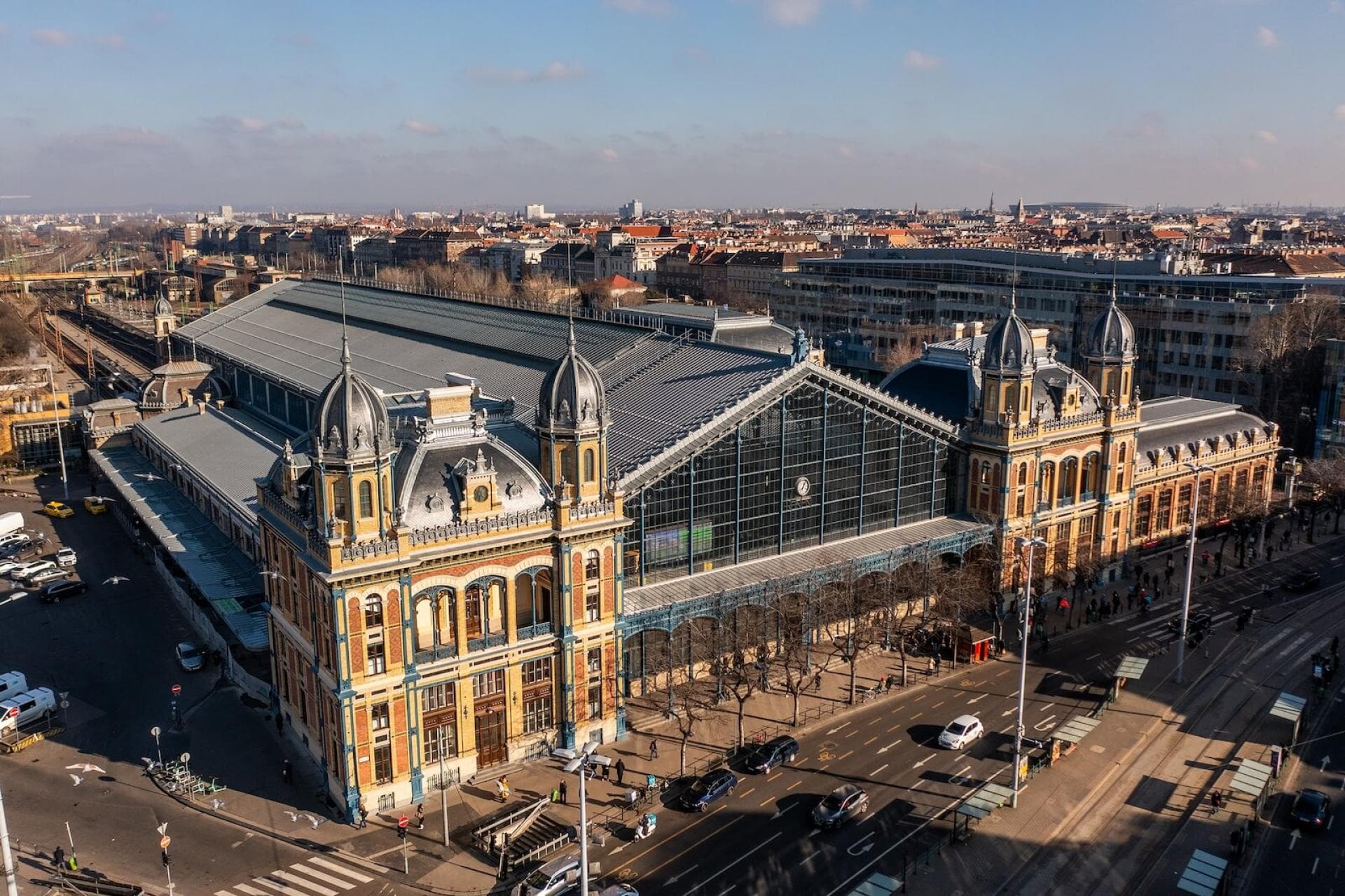
Over its history, Magyar Építő Zrt. has executed a wide scope of civil and building works, including industrial plants, hospitals, transport infrastructure, and cultural landmarks. Its portfolio includes reconstruction of the Nyugati railway station, renovation of the Museum of Fine Arts, construction of the Puskás Aréna, and recent high-profile projects like the National Athletics Centre and the ongoing rebuilding of the Archduke József Palace in Buda Castle. The company operates mainly in Budapest but has undertaken large projects nationwide, maintaining a portfolio of heritage, educational, industrial, and public buildings, with a special emphasis on technically complex and historically sensitive assignments.