Overview of the Article and Its Origin
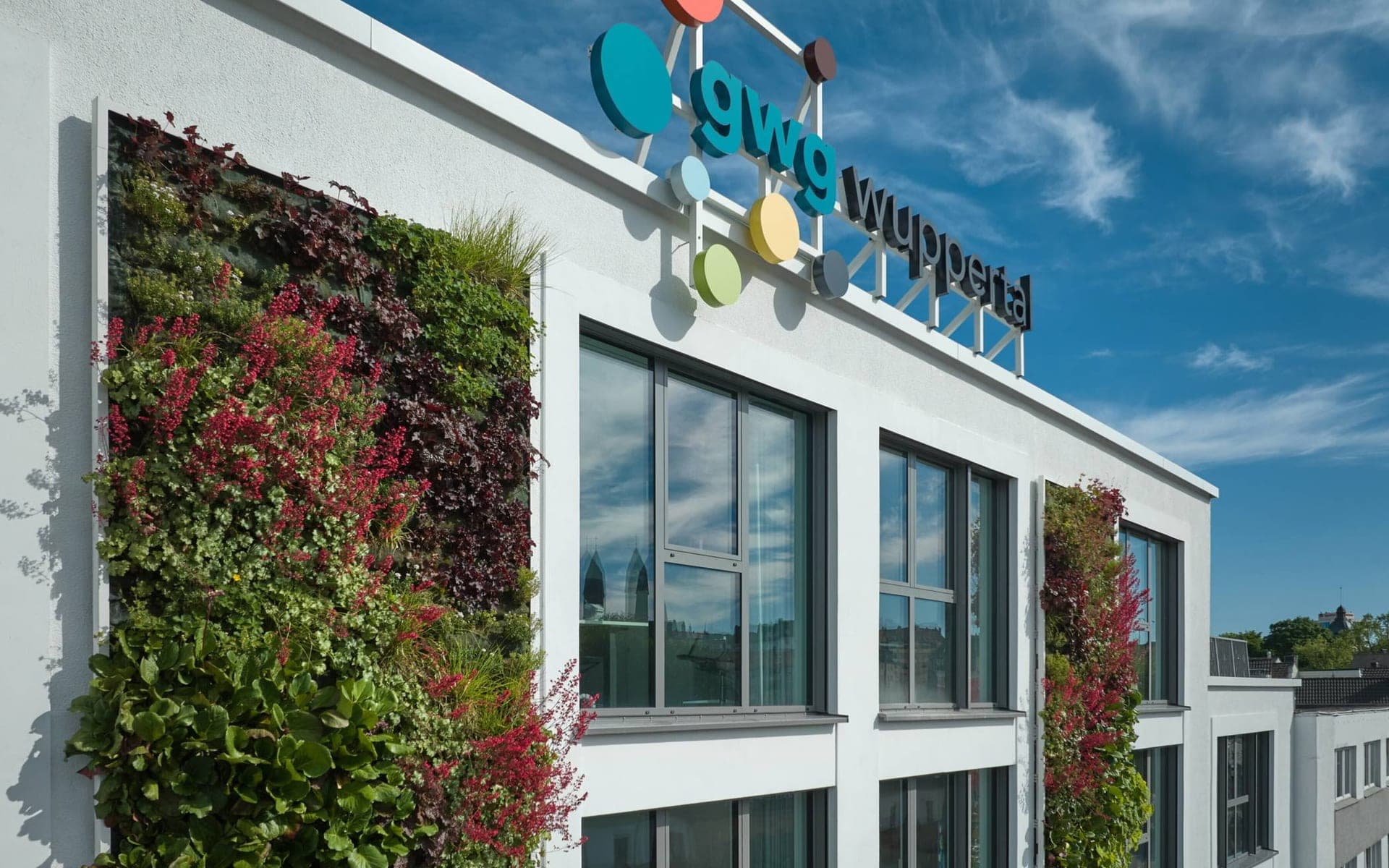
The piece titled “Wuppertaler Wohnungsmarkt: „Ein hochgefährliches Setting“” is published by the Wuppertaler Rundschau, a regional newspaper covering local news in Wuppertal, Germany. It is authored by journalist Stefan Seitz, who reports on housing market developments and interviews key stakeholders such as Oliver Zier, managing director of the Gemeinnützige Wohnungsbaugesellschaft Wuppertal (GWG). The article forms part of a broader editorial series that examines the challenges facing the city’s residential construction sector.
Current State of Wuppertal’s Housing Supply
Wuppertal’s population and household numbers have risen, yet the availability of both small and large apartments is described as “quasi zero”. In the third quarter of 2023 the city counted 199 965 dwellings, a decline of 226 units compared with the previous quarter. Vacancy rates stand at 5.7 percent city‑wide, but only 1.5 percent within GWG‑managed stock, indicating a tight market with limited turnover.
Escalating Construction Costs
Construction expenses have more than doubled since 2020. A project that cost €1 million in 2020 now requires roughly €2.5 million. Per square metre, the current investment needed is about €5 000, whereas GWG’s target cost is €3 000. Additional cost drivers include regulatory norms and compliance measures, which can add up to 40 percent on top of the base building costs.
Impact on New‑Build Viability
Oliver Zier states that new construction is no longer financially sustainable through rental income alone, unless rents are raised to levels unaffordable for the majority of Wuppertal residents. Consequently, GWG foresees an inability to realise new projects for the next ten years. The article also highlights uncertainties surrounding climate‑neutrality funding and the broader German fiscal climate, with Berlin’s austerity measures cited as a limiting factor.
Regulatory Burden and Market Uncertainty
The GWG points to an increasingly complex regulatory environment as a major obstacle. Norms and standards have become “massive price drivers”, prompting frequent plan revisions, cost overruns, and time delays. Discussions are ongoing with state authorities to simplify building standards, potentially reverting to the German statutory minimum, which Zier argues is already comparatively generous.
Initiatives and Future Projects
Despite the challenges, GWG remains an attractive employer and maintains strong customer appeal. It is undertaking a major redevelopment of the “Wohnpark Schellenbeck” in Wichlinghausen, comprising four high‑rise towers and five low‑rise blocks. The first construction phase, scheduled to finish by July 2026, involves an investment of over €25 million.
Relevance for Sustainable Housing Across Europe
The Wuppertal case illustrates how rising material prices, stringent regulations, and limited affordable rents can undermine the financial feasibility of sustainable housing projects. The data underscore the need for coordinated policy approaches that balance construction quality, environmental standards, and affordability—issues that resonate throughout the European housing sector.