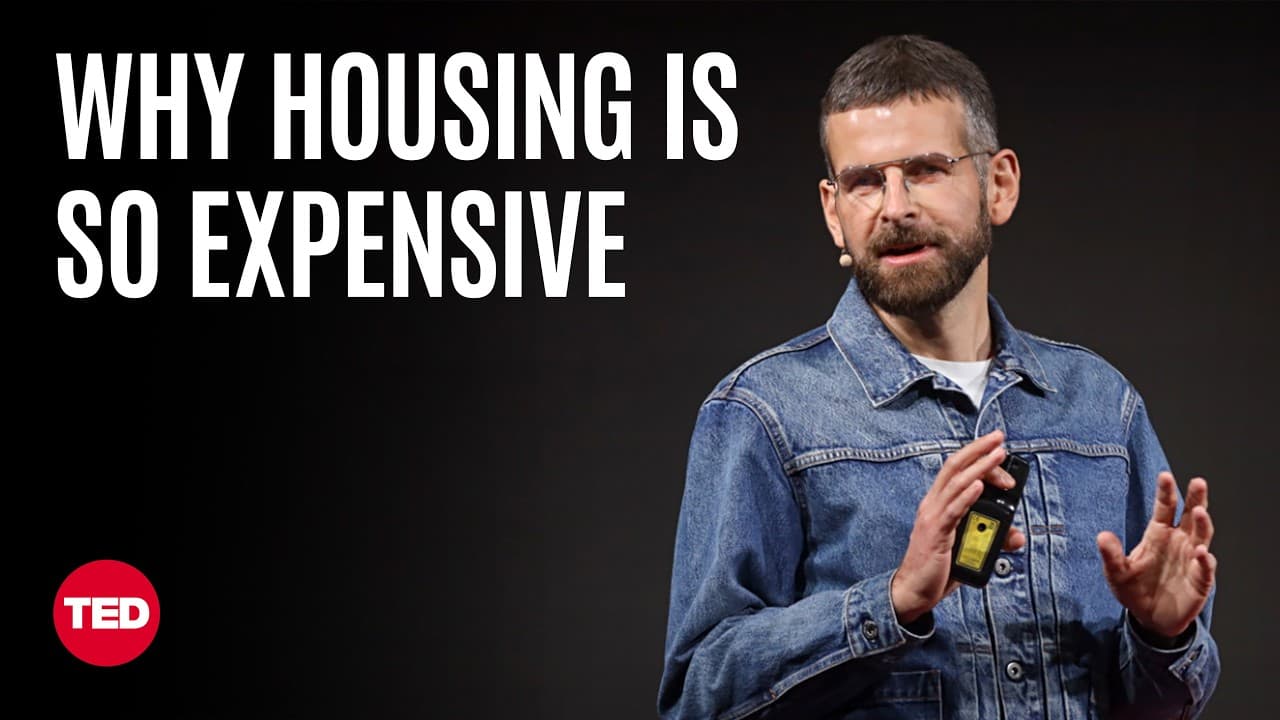
Overview of the Talk
Olaf Grawert, an architect specializing in renovation, presents a TED talk that examines the rapid demolition of homes across Europe and its impact on the housing crisis, community memory, and the environment. The video, hosted by the TED channel, highlights the profit‑driven motivations behind tearing down existing buildings and proposes renovation as a sustainable alternative.
Scale of Demolition
Every minute a house is demolished somewhere in Europe, not due to natural disasters but by human decision. This relentless pace contributes to a loss of social ties, memories, and community cohesion, while ignoring the hidden costs to people and the planet.
Profit‑Centred Real Estate
The speaker explains that real estate is the world’s most valuable asset, and new construction yields the highest profit for speculators. Buildings are treated purely as commodities; their value is measured only by price, ignoring social and ecological worth. This mindset drives a cycle where older structures are cleared to make way for more lucrative new projects.
Environmental Consequences
The building sector accounts for about 38 % of global CO₂ emissions, surpassing aviation, and produces roughly 36 % of Europe’s waste. Demolishing and rebuilding consume significant energy, increasing both carbon footprints and landfill waste, thereby intensifying climate change and resource depletion.
Cost Comparison of Renovation vs. New Build
A case study of the Grand Parc project in Bordeaux shows that renovating an apartment costs €55,000, compared with €165,000 for constructing a new one—a one‑third cost difference. Renovation also preserves embodied energy in existing walls and roofs, reducing overall emissions.
Speed of Renovation Process
The Bordeaux renovation required half a day to install prefabricated elements, two days to open the old façade, two more days to fit the new façade, and one week for interior work—totaling roughly two weeks to upgrade living conditions for residents.
Social Benefits of Renovation
Renovated spaces maintain resident occupancy throughout construction, fostering community stability. Features such as larger sliding doors and winter gardens improve light, air, and quality of life, while also lowering heating bills and supporting local renovation businesses.
Policy Background
Post‑World War II policies in Europe emphasized rapid, cheap new construction through emergency measures, industrial methods, and public funding. These policies entrenched legal and financial incentives that favor demolition over refurbishment, making renovation more difficult and less profitable under current regulations.
Vision for a Pan‑European Initiative
Grawert introduces a European Citizens Initiative aiming to gather one million supporters to advocate for new laws that prioritize renovation and transformation. The movement seeks to shift legal frameworks, tax incentives, and subsidies to make sustainable retrofitting the norm across the EU.
Practical Pathways Forward
The talk highlights examples like architects Lacaton & Vassal, who never demolish but instead add to existing structures, respecting the building’s social and ecological value. Their approach demonstrates that many buildings can be adapted with innovative design, prefabrication, and community‑focused planning.
Call to Action
The speaker urges citizens, policymakers, and industry leaders to recognize the hidden costs of demolition and to support systemic change that values existing housing stock. By redirecting profit motives toward renovation, Europe can address its housing shortage while reducing emissions and preserving cultural heritage.