Overview of the Report
The article, authored by journalist Miloš Rudović and published by Radio Slobodna Evropa, examines Montenegro’s decision to terminate the “1 000 plus” subsidised housing programme. The piece provides detailed insight into the programme’s impact, the reasons for its cancellation, and the broader housing market trends affecting tenants, especially in Podgorica.
Programme History and Reach
Implemented from 2010, the “1 000 plus” scheme enabled roughly 4 000 Montenegrin families to acquire apartments under favourable loan terms. Beneficiaries included public‑sector employees, young couples, victims of domestic violence, single parents and households with disabled members. Funding of €110 million was secured from the European Bank for Reconstruction and Development and commercial banks, offering interest rates about half the market level and capping price per square metre at €1 100.
Reasons for Termination
The government cited sharply rising property prices and interest rates as the primary justification. Since 2020, new‑build housing stock has grown by over 70 %, driven partly by influxes of foreign buyers after the 2022 Russian invasion of Ukraine. Concurrently, Euribor has risen from near‑zero to around 4 %, making the low‑interest advantage of the programme untenable. Consequently, the state concluded the scheme was no longer financially viable for either the budget or applicants.
Impact on Tenants and Renters
The programme’s end threatens more than 30 000 tenant families, removing a critical pathway to homeownership. In Podgorica, rent increases have forced many to move from the city centre to peripheral districts. Surveyed tenants report rents rising from €200 to €330 within four years, with some units now exceeding €400. Average monthly wages in Montenegro stand at €814, rendering rent levels increasingly unaffordable.
Existing Municipal Support
Podgorica remains the sole city offering modest assistance, providing €50 per month (≈ €600 annually) to a limited number of tenants. Launched in 2022 with a €300 000 fund, the programme has been reduced to €100 000 for the current year, covering only about 166 households out of an estimated 15 000 tenant families. Critics argue the aid is insufficient and hampered by bureaucratic conditions, such as the requirement for a formal lease contract, which many tenants lack due to informal rental arrangements.
Housing Stock versus Population
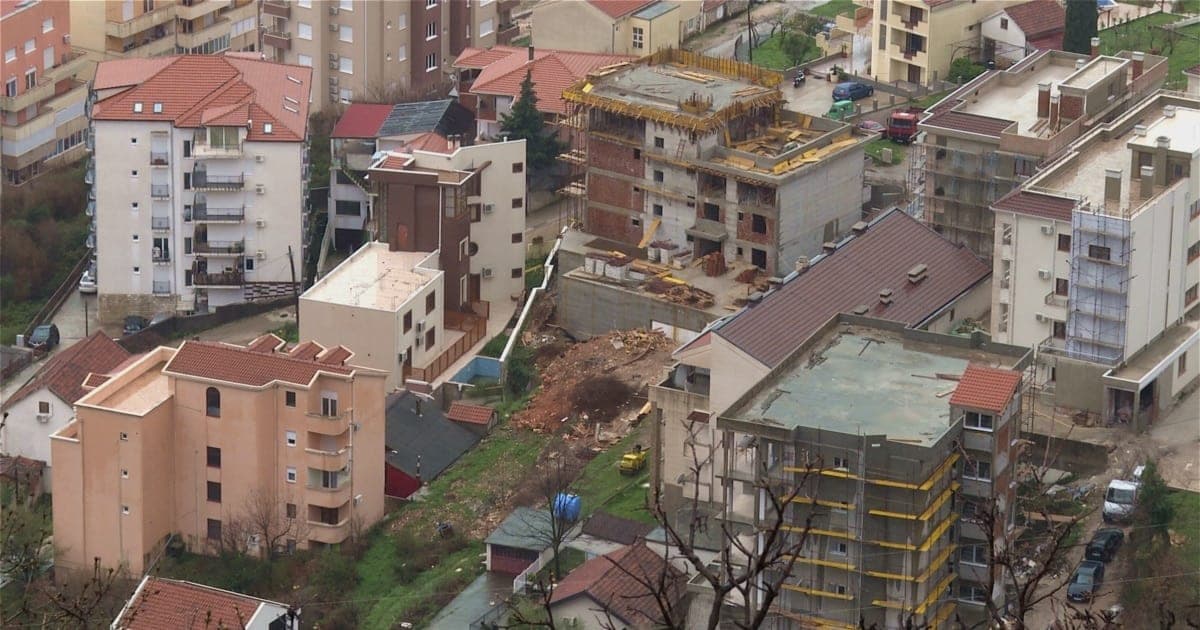
Census data reveal that Montenegro now has nearly 400 000 dwellings, a 26 % increase since 2011, outstripping the population in several municipalities (e.g., Budva, Ulcinj, Žabljak). Nevertheless, the concentration of affordable units remains low in the capital, where demand continues to outpace supply.
Future Policy Directions
The government signalled a shift towards alternative housing assistance, including potential construction of rental apartments. Tenant organisations are already lobbying for increased municipal subsidies, proposing a rise from €50 to around €100 per month to mitigate the rapid rent inflation, which has risen by 8.6 % in 2023 alone.
Conclusions for Sustainable Housing Stakeholders
The termination of “1 000 plus” underscores the fragility of subsidised home‑ownership models in the face of volatile real‑estate markets and rising financing costs. For advocates of sustainable, inclusive housing, the Montenegrin case highlights the need for diversified support mechanisms—combining affordable construction, rent‑control policies, and robust social assistance—to ensure long‑term housing stability across the region.