Overview of the Report
The article, published by Denmark’s public broadcaster DR, is authored by journalists Amalie Holst Jensen and Trine Hørlyck Bech. It investigates the acute shortage of student housing in Denmark’s two largest cities, Aarhus and Copenhagen, highlighting the impact on sustainability and urban planning.
Student‑Housing Shortage in Aarhus
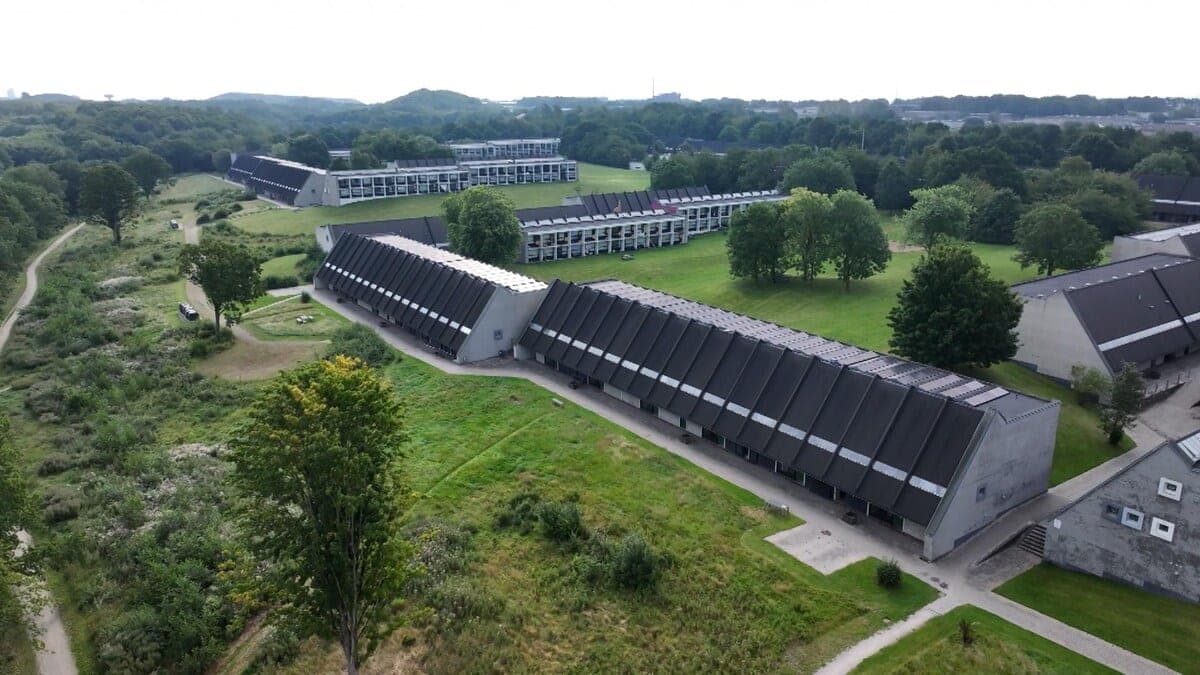
In Aarhus, the number of higher‑education students far exceeds the supply of municipal youth housing. Data from Danmarks Almene Boliger show that in October 2024 there were seven times more students than available youth homes. Currently, 30 students remain on a waiting list without an allocated place, and popular dormitories such as Skjoldhøjkollegiet report full occupancy. The city’s previous surplus of rooms has vanished, creating a new housing pressure.
Copenhagen’s Parallel Crisis
Copenhagen faces a similar, if not larger, challenge. The Centralindstillingsudvalget estimates around 10,000 student apartments in the capital region, yet the waiting list remains long. Rasmus Okholm‑Hansen, the department’s head, notes that the shortage is not seasonal; applicants often wait six months to a year for a place, and the competition extends to surrounding municipalities like Roskilde and Hillerød.
Key Statistics on Demand vs. Supply
- Aarhus: 7 × more students than youth homes (Oct 2024).
- Copenhagen & Frederiksberg: 14 × more students than youth homes (Oct 2024).
- Since 2010, 20 000 new student apartments have been built nationwide, yet demand continues to outstrip supply, pushing many students onto the private rental market.
Sustainability Implications
The shortage forces students into the private housing market, where rents are higher and energy efficiency often lower than purpose‑built student residences. This shift undermines sustainable urban mobility, as students travel longer distances and occupy less energy‑efficient dwellings, increasing carbon footprints.
Policy Responses and Initiatives
Aarhus’ strategic chief, Bente Lykke Sørensen, points to the historical reliance on the private sector for student housing. In Copenhagen, Line Barfod of the Enhedslisten advocates for new constructions that are affordable and environmentally responsible, insisting that future student housing must meet sustainability standards and be accessible to low‑income families as well.
Outlook and Recommendations
Both cities anticipate gradual pressure relief as new allocations are made, but experts warn that without coordinated investment in affordable, energy‑efficient student housing, the problem will persist. Sustainable solutions require integrating housing policy with broader climate goals, ensuring that new developments adhere to green building standards and are located near public transport and university campuses.