Overview of the Study and Its Origins
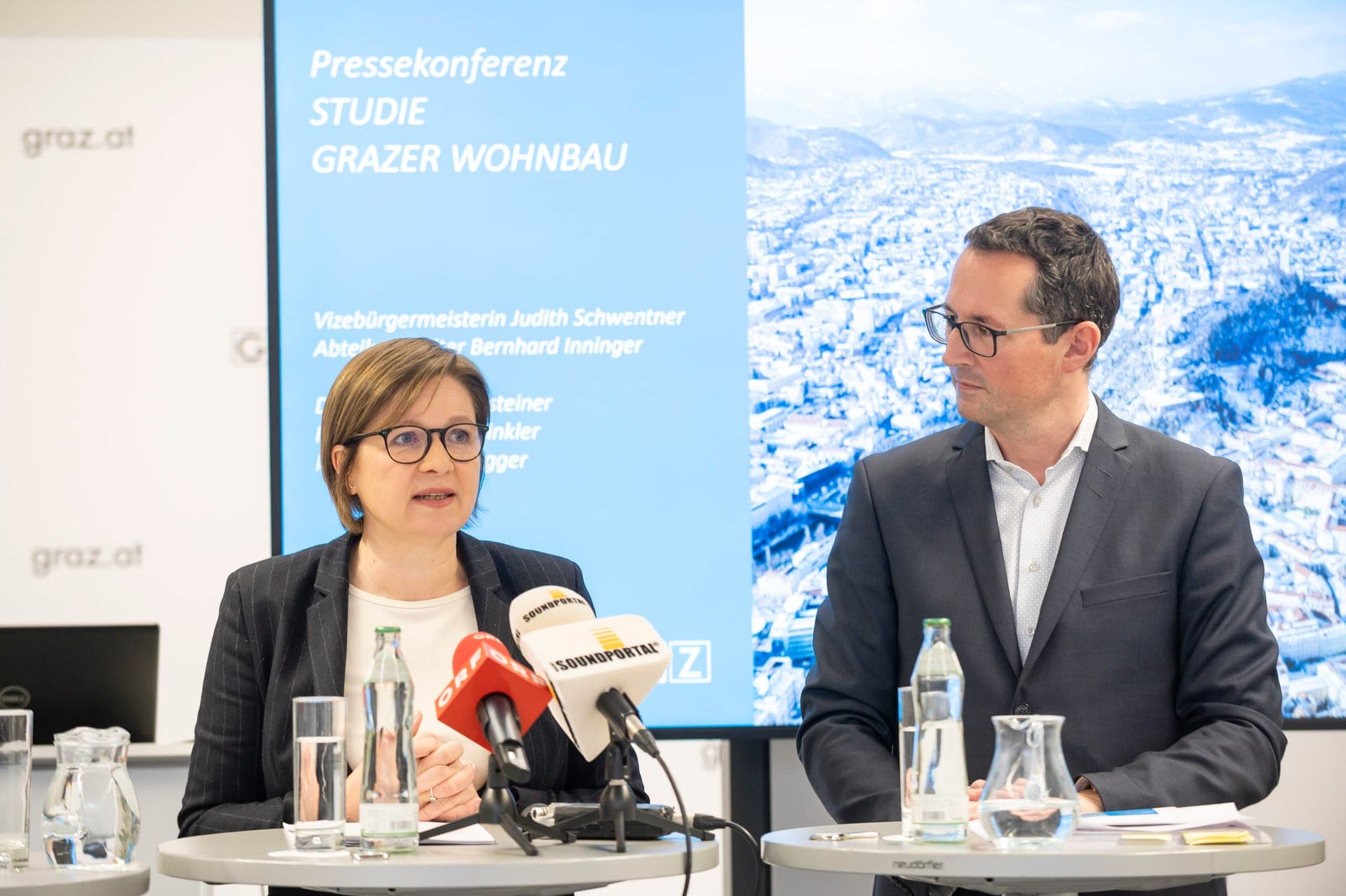
The “Studie Grazer Wohnbau 2021 (Pressekonferenz)” is a comprehensive report commissioned by the City of Graz and published by the municipal authority Stadt Graz. It was prepared by a multidisciplinary team of six authors – Judith Schwentner, Bernhard Inninger, Günther Rettensteiner, Franziska Winkler, Rainer Rosegger and Harry Schiffer – who represent the city’s planning department, research institutes and external consultancy partners. The study analyses housing development in Graz between 2015 and 2020, focusing on tenure structures, affordability, subsidised housing, and the rise of investor‑owned apartments.
Scale of Housing Construction 2015‑2020
During the five‑year period, Graz saw the completion of 1 141 housing projects comprising at least two units each, resulting in 18 131 new dwellings. The average size of these new apartments is approximately 69 m², but a trend of decreasing floor area per unit has been observed since 2012. Larger projects tend to deliver smaller individual units, highlighting a shift towards higher‑density development.
Affordability and Rental Market Dynamics
The study identifies a pronounced affordability challenge. The most sought‑after rental unit in Graz measures 56 m² with an average rent of € 611, making the city the least willing to pay among Austrian capitals. Between 2016 and 2021, gross rental costs rose 28 % (net rents + 47 %). Approximately 19 % of households in Graz allocate over 40 % of their income to housing, double the Austrian average of 9 %. Energy price increases since 2021 have further strained household budgets.
Socio‑economic Structure of the Housing Stock
Owner‑occupied housing dominates the market, while the share of municipal and cooperative apartments remains low at roughly 15 %. Private and commercial rentals account for 66 % of buildings constructed before 1945, indicating a strong private‑sector presence. In the last decade, only 10 % of all new apartments in Graz benefited from public housing subsidies, despite the city contributing 26 % of all subsidised units in Styria.
Energy Use and Vacancy Assessment
A pilot vacancy survey examined 2 500 units, finding 38 vacant apartments (≈1.5 %). The methodology combined cadastral registers, population data and electricity consumption records, but data protection restrictions limited broader application. Consequently, a comprehensive, automated vacancy assessment remains unavailable.
Market Trends and Investor Influence
Investor‑driven “micro‑flats” have increased, yet only 36 % of interested parties intend to reside in them. Demand for additional outdoor space is high, with 89 % of respondents willing to pay more for balconies, terraces or gardens. The rise of financial products linked to housing – such as real‑estate investment trusts, crowdfunding and pension‑fund purchases – underscores the growing perception of housing as an investment asset.
Recommendations for Sustainable Housing Policy
The authors propose expanding municipal housing construction, increasing the share of subsidised units, and integrating social sustainability criteria into funding programmes. They suggest adapting renovation subsidies, reserving land for affordable housing, and reducing energy and operating costs for low‑income households. Strengthening interdisciplinary collaboration across city departments, enhancing data quality in the AGWR register, and implementing pilot vacancy studies are also recommended to improve monitoring and policy responsiveness.
Conclusion: Key Takeaways for Europe
Graz’s experience illustrates the tension between rapid urban growth, shrinking apartment sizes and rising affordability pressures. The city’s reliance on private‑sector development, coupled with limited subsidised housing, mirrors broader European trends. Addressing these challenges will require coordinated policy actions that balance investment incentives with robust social housing provision and sustainable energy standards.