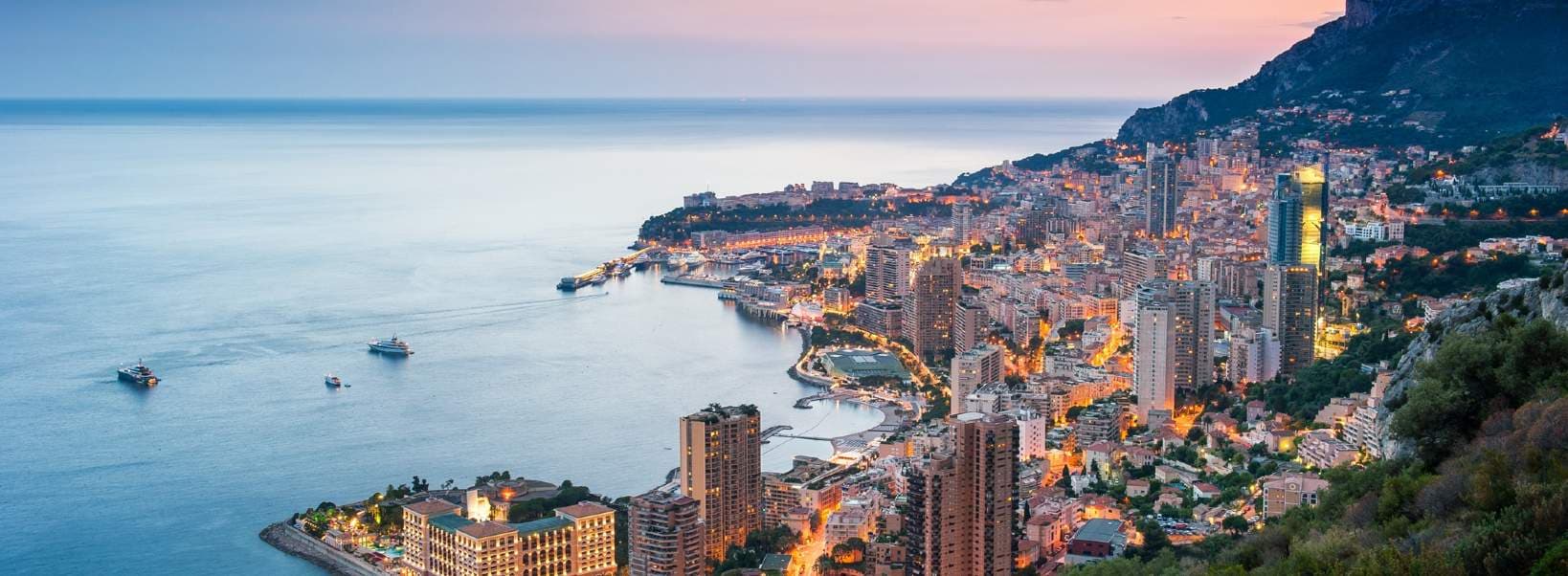
Overview of the Report and Its Origin
Savills, a leading international property consultancy, published the “Spotlight: Monaco – 2025” study. Although the authors are not named, the document reflects Savills’ in‑depth market research and analytical expertise, drawing on data extracted from the Savills website and recent market observations. The study offers a comprehensive examination of Monaco’s residential property market, highlighting trends that are relevant to sustainable housing discussions across Europe.
Sustainable Housing Supply and New‑Build Developments
The report notes that Monaco’s chronic under‑supply has been partially addressed by the Mareterra land reclamation project, which added 110 apartments and 10 villas. This influx contributed to a record‑high total new‑build sales volume of nearly €3.7 billion in 2024, with 101 new‑build transactions representing a 260 % increase from the previous year. While new‑build sales historically accounted for less than 10 % of total transactions, they rose to 21 % in 2024, indicating a shift towards higher‑quality, potentially more energy‑efficient developments. The concentration of ultra‑prime projects (properties over €10 million) grew from 28 % in 2022 to 75 % in 2024, suggesting a market focus on premium, possibly greener construction standards.
Price Growth and Market Dynamics
Average residential prices per square metre reached a record €51,967 in 2024, up 1 % from the previous year. Prime rents also increased by 6 % to €114.50 per square metre per month. Notably, three‑bedroom apartments saw rent growth of 56 % to €142.30, reflecting demand for larger, potentially more energy‑efficient homes. Districts such as Larvotto and Jardin Exotique experienced the strongest price appreciation, with 48 % and 20 % annual growth respectively, underscoring the premium placed on locations that can support sustainable, low‑density development.
Environmental Context and Implications for Europe
The report links the resurgence in Monaco’s market to a broader decline in global interest rates during 2024, which has spurred investment in prime residential assets. While the study does not explicitly discuss sustainability metrics, the emphasis on new‑build supply, higher‑value properties and limited land availability aligns with European trends toward densification, mixed‑use projects and the integration of green building standards to optimise energy use. The Mareterra project’s land reclamation illustrates a method of expanding housing capacity without further encroaching on existing urban fabric, a concept that could inform sustainable housing policies in other densely populated European cities.
Key Statistics at a Glance
- Total new‑build sales value: €3.7 billion (2024)
- Total property sales value: €5.8 billion (2024)
- Transaction count: 466 sales, a 21 % rise from 2023
- New‑build share of sales: 21 % (up from <10 %)
- Average price per m²: €51,967 (record)
- Prime rent: €114.50/m²/month (6 % increase)
- Three‑bedroom rent: €142.30/m²/month (56 % increase)
Relevance for Pan‑European Sustainable Housing Stakeholders
For policymakers, developers and investors across Europe, Monaco’s experience demonstrates how targeted high‑value development, combined with strategic land expansion, can alleviate supply constraints while supporting premium, potentially greener housing stock. The pronounced shift towards larger, ultra‑prime units suggests a market appetite for homes that can incorporate advanced energy‑efficiency measures, renewable energy integration and sustainable materials. Monitoring such trends can guide European cities aiming to balance limited land availability with the need for sustainable, high‑quality residential supply.