Context and Publication Background
The article, authored by Bas van Setten and published by De Utrechtse Internet Courant, analyses the persistent pressure on Utrecht’s housing market. De Utrechtse Internet Courant is a regional news outlet that regularly reports on municipal developments, and Bas van Setten is a journalist specialising in housing and urban policy. The piece draws on the 2025 Utrecht housing monitor and recent municipal statistics to present a factual overview of supply‑demand imbalances, especially for young households seeking social rental accommodation.
Low Success Rates for Young Renters
For applicants under 23 years old, the probability of obtaining a social rental home stands at a mere 0.5 percent, while those aged 23‑27 face a slightly higher but still modest 1.8 percent chance. In 2025, the overall success rate for social rentals fell from 3.1 percent to 2.8 percent despite a record allocation of 2 900 social homes that year. These figures illustrate the extreme competition faced by younger residents in a market where demand vastly exceeds supply.
Lengthy Waiting Periods
The average waiting time for a social rental property remains close to 11.7 years, effectively unchanged from previous years. This prolonged delay reflects the limited turnover of existing social stock and the municipality’s inability to expand the supply fast enough to meet the growing need.
Rising Demand and Application Volumes
Applications for socially allocated homes have surged. In 2025, a single lot‑drawn property attracted over 3 200 responses, an increase of roughly 600 compared with the prior year. Similar upward trends are observed for regularly offered social rentals, indicating heightened competition across the board.
Escalating Purchase Prices
On the private‑ownership side, half of Utrecht’s homes saw their average sale price rise to nearly €540 000 in the final quarter of 2025, marking a 9.4 percent increase in existing‑home prices. This makes Utrecht the fastest‑growing market among the four largest Dutch cities, further limiting affordable entry points for first‑time buyers.
Shifts in Housing Stock Composition
The share of social rental units in the city’s total housing stock declined to 33.2 percent in early 2025, down from 34.1 percent the previous year, despite municipal ambitions to reach 35 percent by 2040. Simultaneously, the proportion of mid‑range rental and affordable purchase homes fell from 23 percent to 21 percent, below the target of 25 percent for 2040.
New Construction Activity
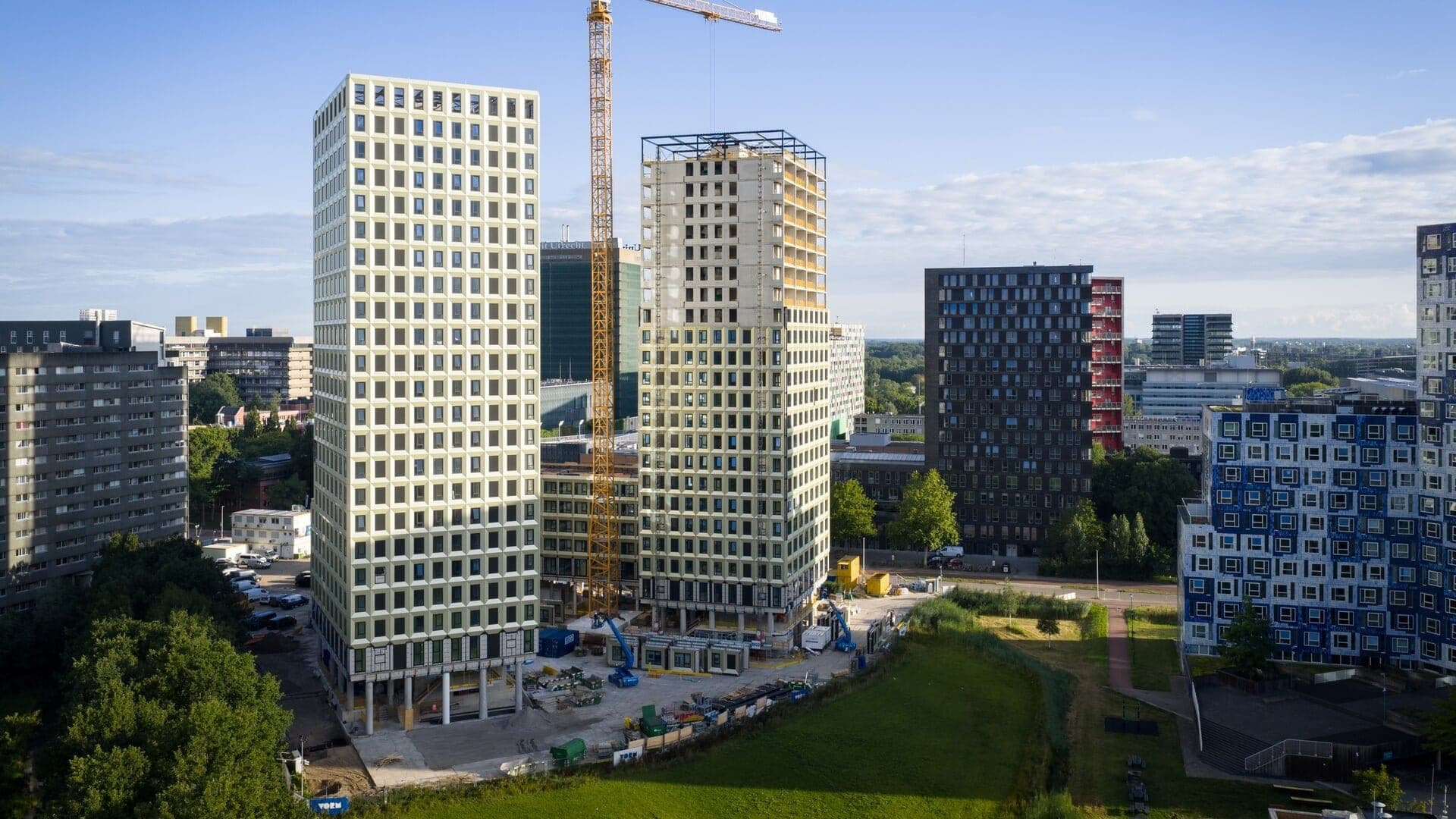
After two years of stagnation, 2025 saw the addition of just over 3 000 new homes and an increase in building permits to nearly 3 300 units. This aligns with Utrecht’s goal of delivering an average of 3 000 new dwellings annually, offering a modest counterbalance to the overall shortage.
Municipal Outlook and Policy Implications
City officials warn that the scarcity of suitable housing is unlikely to abate soon. The council emphasises that demand continues to outpace the limited supply, underscoring the need for sustained investment in affordable and sustainable housing solutions to alleviate pressure on young households and maintain social equity.