Overview of the Article and Publisher
The article, published by Il Fatto Quotidiano, a leading Italian daily newspaper known for investigative reporting, details a recent eviction in Bologna. The piece was automatically extracted from the newspaper’s website and reflects the outlet’s focus on national‑press matters, particularly housing crises affecting urban populations.
Details of the Bologna Eviction
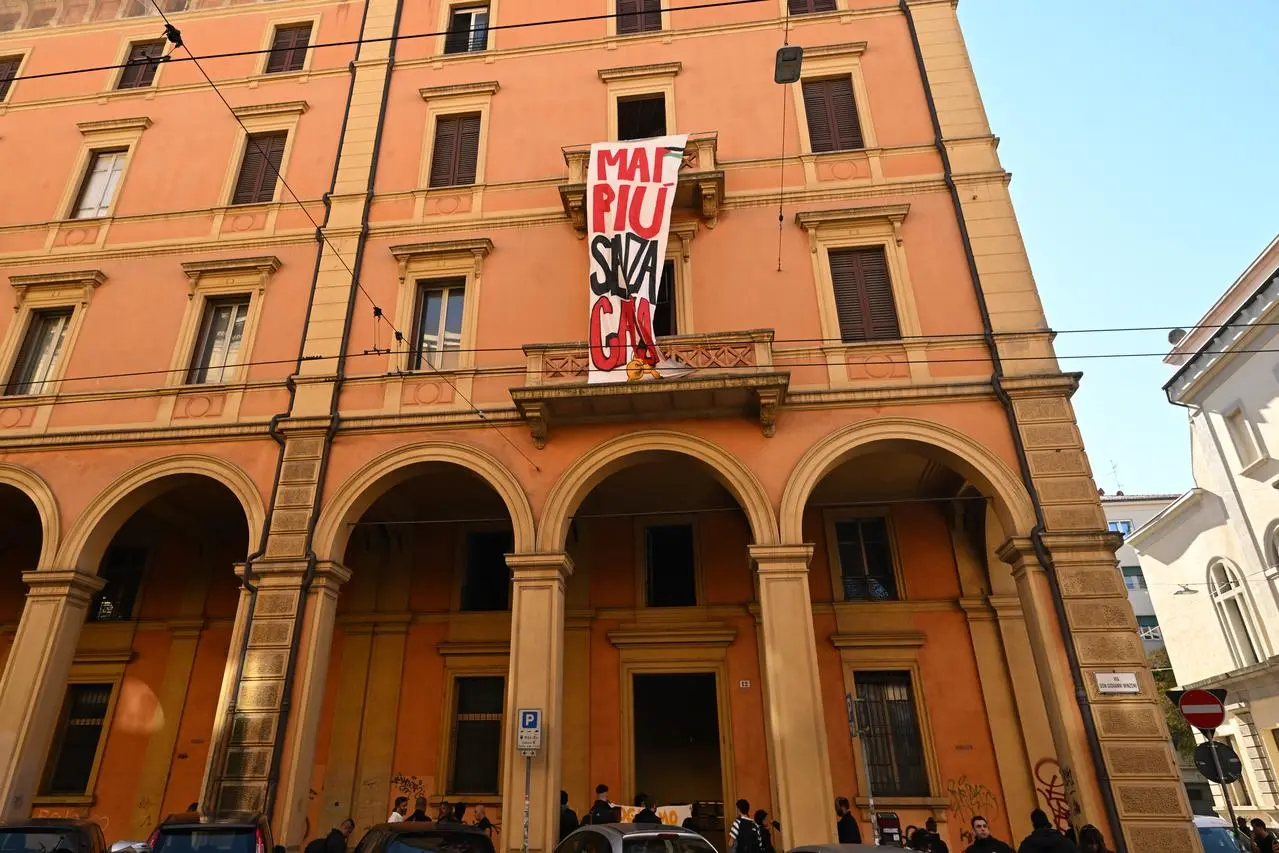
On 23 October, police forced entry into an apartment on Via Michelino in Bologna’s north‑east suburbs, evicting two families with five children after their leases expired in 2022. The operation, the seventh attempt to enforce the eviction, involved officers breaking a wall with a metal hammer, prompting tension with activists from the collective Plat who were supporting the families. Both families had consistently paid rent, highlighting the shift from evictions for non‑payment to those driven by owners converting properties into short‑term rentals.
Rise of Short‑Term Rentals and Its Impact
The property owner intended to transform the units into short‑term rentals commanding up to €700 per night, exploiting proximity to BolognaFiere. Mayor Matteo Lepore notes that while the state intervenes to free apartments, it does not allocate resources to address the resulting housing emergency. Across Italy and Europe, the proportion of income required for rent is climbing, and evictions for lease termination—not arrears—are increasing as landlords pursue more profitable short‑term lettings.
Municipal Response and Housing Fund
Bologna’s administration has established a foundation to manage approximately 13,000 privately vacant homes, representing about 11 % of the city’s total housing stock. The city is already handling around 400 such units, aiming to allocate them to families on agreed‑rent schemes. This initiative includes maintenance provisions and a fund to cover rent arrears, positioning it as a priority solution to the structural housing shortage.
Call for National Regulation of Short‑Term Rentals
Mayor Lepore advocates for national legislation to regulate short‑term rentals, arguing that unchecked touristification leads to neighbourhood decay, increased litter, reduced safety, and a loss of permanent residents. He stresses that cities should primarily serve citizens, students and long‑term inhabitants rather than being dominated by transient tourism.
Economic Disparities in Rental Markets
The article highlights stark income‑based disparities: high‑earning residents can afford €1,500‑€2,000 monthly rents, while lower‑income workers struggle to meet €500. Lepore underscores the necessity of public policies and financial resources to bridge this gap, noting that Italy’s delayed response has exacerbated the crisis.
Relevance for Sustainable Housing Across Europe
The Bologna case exemplifies broader European challenges where housing affordability, the conversion of long‑term homes into lucrative short‑term rentals, and insufficient public investment intersect. Sustainable housing strategies must address vacancy management, protect tenants from displacement, and implement regulatory frameworks that balance tourism benefits with community stability.