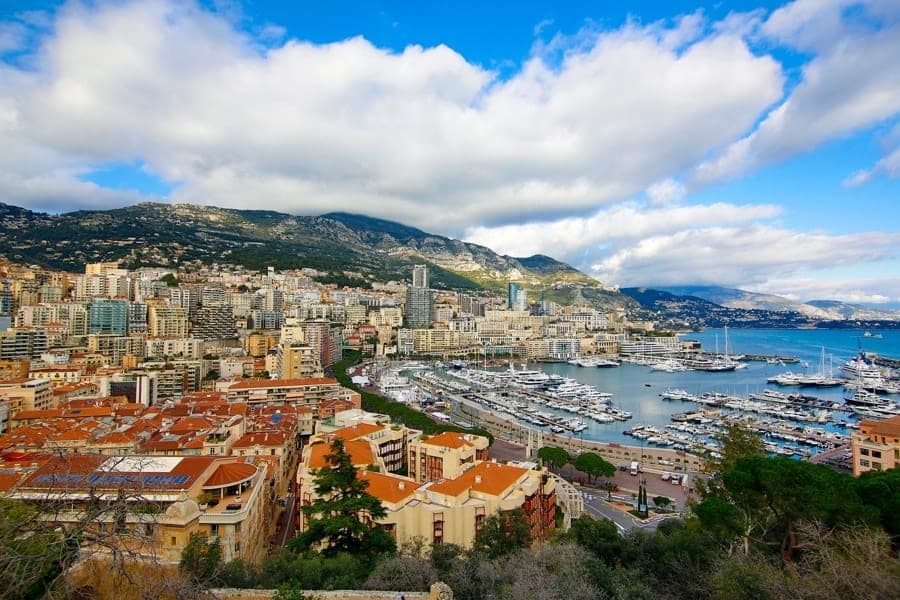
Context and Origin
The article “Secteur protégé : deux lois « historiques »” was authored by Sabrina Bonarrigo and published by L’Observateur de Monaco, a Monaco‑based news outlet specialising in local socio‑economic issues. It analyses two 2021 legislative proposals aimed at preserving Monaco’s protected housing sector, a system dating back to the post‑World‑War II era that reserves a share of apartments for Monégasque citizens at regulated rents.
Historical Background
After 1947, owners of buildings constructed before 1 September 1947 were required to allocate units to Monégasques and keep rents affordable. Over the decades, the mechanism has increasingly conflicted with owners’ rights, as the protected sector’s rent controls limit income compared with the free market. The gradual demolition of older protected buildings—estimated at about 50 units per year—has reduced the stock, intensifying tensions between tenants and owners.
Key Legislative Proposals
Two bills were slated for debate in the National Council in 2021:
- Bill n° 239 proposes that any demolished protected housing must be rebuilt with the same number of units, preserving overall supply while delivering modern, energy‑efficient apartments.
- Bill n° 242 introduces a compensatory rent allowance for owners, calculated as the difference between free‑market rent and the regulated protected rent, with a statutory cap to protect public finances. Recipients must continue to lease the units under the protected regime.
Sustainability Implications
The reconstruction clause of Bill 239 aligns with sustainable housing goals by mandating that new units replace lost ones, potentially incorporating contemporary energy standards, insulation, and renewable technologies. This approach aims to maintain affordable housing while reducing the environmental footprint of older, less efficient buildings.
Economic Impact on Owners
The compensatory allowance in Bill 242 seeks to offset owners’ perceived loss of market‑rate income, encouraging them to retain properties within the protected sector. The cap on payments is designed to balance fiscal responsibility with the need to sustain a viable landlord base supportive of the social housing model.
Current Trends and Risks
The protected sector has been shrinking at an estimated 50 units annually, driven by demolition and owners exercising their right of repossession every six years. Without legislative intervention, the decline could exacerbate housing shortages for Monégasque families and increase pressure on the free‑market sector.
Stakeholder Perspectives
Tenant organisations emphasise the sector’s role in ensuring long‑term residence for native families, while owner associations argue for greater property rights and financial fairness. Both sides acknowledge that a balanced legislative framework is essential to prevent social unrest and maintain Monaco’s housing equilibrium.
Outlook for 2021 and Beyond
The National Council intended to study amendments swiftly, aiming for rapid adoption of the bills. Successful implementation would preserve the protected housing stock, introduce modern, sustainable building standards, and provide a financial bridge for owners, thereby supporting Monaco’s broader objectives of social cohesion and environmentally responsible urban development.