Overview of the Initiative
The Red de Economía Alternativa y Solidaria (REAS) Baleares is negotiating with public authorities to obtain municipal land for cooperative housing projects. This effort, reported by Ultima Hora and authored by journalist Itziar F. Landero, aims to create collective‑ownership homes that avoid individual profit and speculative practices, addressing the housing emergency in the Balearic Islands.
Current Negotiations and Partnerships
REAS Baleares has already held meetings with the Balearic Institute of Housing (IBAVI) and the town councils of Palma and Inca. Although no definitive “no” has been received, formal agreements are still pending. The organisation, through its Niu Ètic association, is seeking the allocation of land parcels for at least one pilot cooperative project.
Cooperative Housing Model Explained
The proposed model requires each member to contribute €20,000 to the cooperative’s social capital. The remaining financing is covered by a loan that is repaid through affordable rents ranging from €400 to €600 per month. The housing units combine private apartments with shared facilities such as large communal kitchens, laundry rooms, gyms, and leisure spaces, fostering collective living while reducing individual housing costs.
Existing Cooperative Experience in the Islands
To date, only two micro‑cooperatives exist in Ibiza, comprising roughly five families. Similar senior‑focused projects have been attempted in Mallorca and Menorca but were abandoned due to high land prices. These examples illustrate both the potential and the challenges of scaling cooperative housing across the archipelago.
Economic and Social Impact Reported
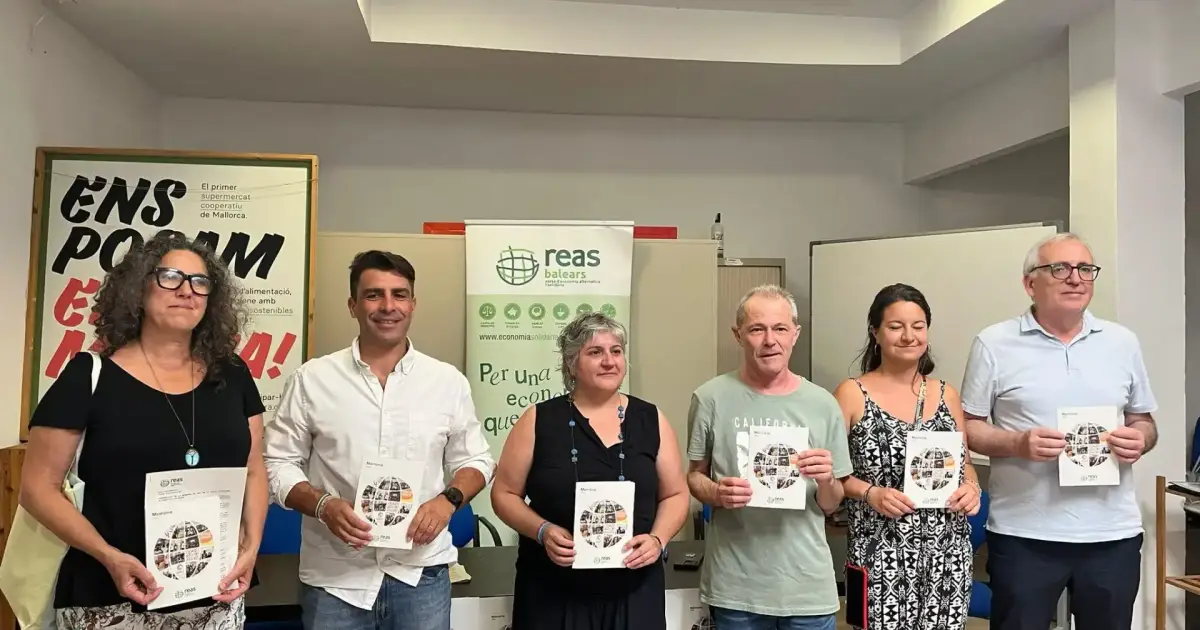
According to the annual report presented by REAS Baleares, the network involves around 1,800 members—including workers and volunteers—and sustains 562 jobs. The total economic activity generated exceeds €23 million, representing a 9.5 % increase compared with the previous year. This growth underscores the sector’s contribution to the regional economy and its capacity to create employment.
Policy Recommendations and Calls for Resources
The organisation urges authorities to allocate additional resources to mitigate the housing emergency, including expanded residential reception services and supervised housing for the most vulnerable groups, such as the homeless, people with disabilities, and those with mental health challenges. REAS Baleares positions affordable cooperative housing as a key factor in reducing social exclusion.
Conclusion and Outlook for Sustainable Housing
The initiative reflects a broader European interest in sustainable, community‑led housing solutions that combine social equity with environmental stewardship. By securing land for cooperative use and demonstrating measurable economic benefits, REAS Baleares aims to set a replicable model for other regions seeking to address housing shortages without relying on profit‑driven development.