Overview of the Report
The article “Rat u Ukrajini duplirao cijene izdavanja stanova u Crnoj Gori” was produced by Radio Slobodna Evropa, a public service broadcaster operating across the Western Balkans. It was authored by journalist Aneta Durović, who regularly reports on regional socio‑economic issues. The piece examines how the influx of Russian and Ukrainian refugees in 2022 dramatically increased rental prices for apartments in Montenegro, especially along the Adriatic coast.
Rental Price Surge
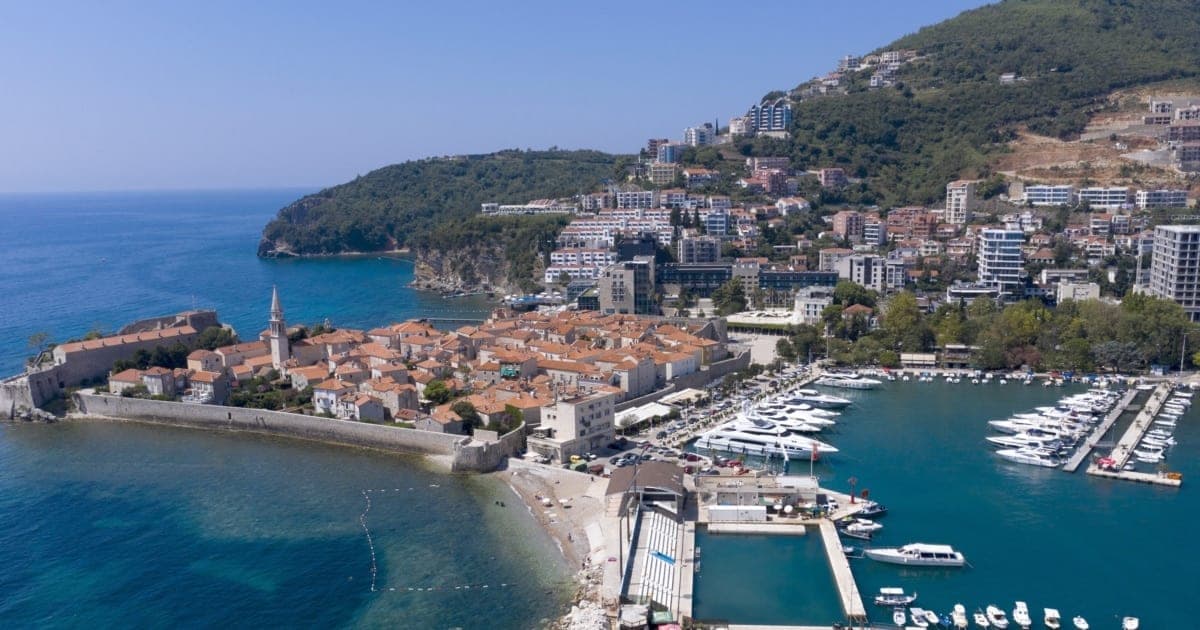
Data collected from local real‑estate agencies indicate that rents for one‑bedroom apartments on the coast have risen from approximately €350‑€400 a year ago to €500‑€700 today. In Budva, typical one‑bedroom rates now range between €550 and €700, with premium locations exceeding €700. In Bar, rents have doubled from €200‑€250 to around €600 for comparable units. Two‑bedroom apartments can reach €1,200 in high‑demand areas. The increase is attributed to heightened demand from Russian and Ukrainian arrivals fleeing the war.
Demographic Drivers
Approximately 14,000 Russians hold temporary or permanent residence permits in Montenegro, while about 7,000 Ukrainians—predominantly women and children—have been granted similar status. These figures do not include tourists who can stay up to 30 days without a visa, further adding to short‑term demand for accommodation.
Impact on Local Tenants
Montenegro’s lowest monthly salary stands at €450, with the average around €720. The steep rise in rents has left many local households unable to afford housing, creating a risk of “housing insecurity.” Tenants report that landlords are often terminating existing leases to re‑rent to higher‑paying foreign tenants, sometimes under the pretext of selling the property.
Case Studies from the Field
- A Budva agency representative, Tomislav Ranković, confirmed that one‑bedroom flats previously priced at €350 now command €550‑€700.
- In Bar, a landlord who listed a flat at €350 was approached by an agency offering to rent it to Russian tenants for €600, which the landlord accepted.
- Individual landlords, such as Jovan from a coastal house, have sublet rooms to Russian IT professionals, citing the additional income as a “financial injection.”
Consequences for Sustainable Housing
The rapid escalation of rental costs undermines the affordability pillar of sustainable housing, pushing vulnerable residents toward overcrowding or substandard living conditions. The shift towards short‑term, high‑price rentals also reduces long‑term tenancy stability, which is essential for community cohesion and resource efficiency. Moreover, the reliance on a transient foreign tenant base may hinder the development of locally anchored, energy‑efficient housing projects.
Economic Context
The surge in rental demand coincides with a broader post‑pandemic recovery in tourism, which further pressures the limited housing stock on the Montenegrin coast. While the influx of higher‑earning refugees temporarily boosts rental income for property owners, it also amplifies income inequality and strains social services.
Outlook
If the current trend continues, rental affordability could worsen, prompting policy interventions aimed at protecting local tenants and promoting sustainable, inclusive housing solutions. Monitoring the balance between refugee accommodation needs and the housing rights of existing residents will be crucial for maintaining social stability and advancing sustainable urban development in Montenegro.