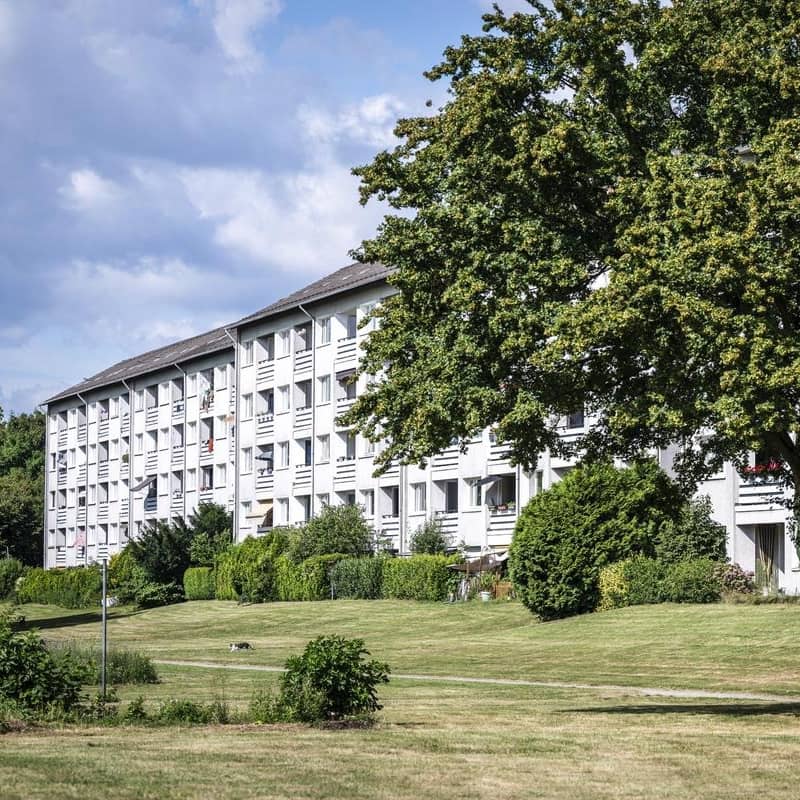
Overview of the New Duisburg Rent Index
A new qualified rent index has been introduced in Duisburg, Germany, compiled by local authorities and housing organisations. The article is published by Radio Duisburg, a regional broadcaster, and includes quotations from the city’s Social Affairs Councilor Astrid Neese, representatives of tenant‑protective and landlord associations, and the authors Martin Möller (photo credit) and the editorial team. The index updates the base net cold rent from €6.26 to €6.54 per square metre, reflecting a 4.55 % rise in the comparative market rent.
Impact on Tenants and Landlords
The 4.55 % increase sets the new benchmark for rent adjustments. Tenants are reminded that, under German law, rents may rise by a maximum of 20 % over three years to reach the local comparative level. The actual increase depends on individual lease agreements and landlord decisions. The city emphasises that despite the rise, Duisburg’s overall rent level remains moderate compared to larger German cities, preserving its attractiveness for affordable housing.
Collaborative Development of the Index
The rent index was finalised at the end of January by the Mietspiegel‑Arbeitsgemeinschaft, a joint working group that includes tenant‑protection organisations, housing‑and‑property associations, and the ARGE Duisburg Niederrhein of the German Housing Association. This collaborative approach ensures that the index reflects the interests of both tenants and landlords and provides a transparent basis for future rent adjustments.
Economic Rationale and Planning Security
Commentators Markus Kansy (Housing‑Industry Working Group) and Armin Frenkert (House‑Owners Association) highlight that an index‑based progression offers a realistic depiction of cost developments, especially for maintenance and modernisation expenses. By anchoring rent adjustments to a statistically derived index, both parties gain greater certainty for budgeting and long‑term planning, which supports sustainable housing management.
Transparency and Consumer Protection
Sonja Herzberg of the Mieterbund Rhein‑Ruhr underscores the index’s transparent presentation, noting that it accurately mirrors the local comparative rent. This transparency is intended to prevent excessive rent demands while safeguarding the legitimate interests of landlords, contributing to a balanced housing market and reinforcing tenant‑rights.
Relevance for Sustainable Housing Policy
For a pan‑European audience focused on sustainable housing, the Duisburg rent index illustrates how data‑driven policy can align economic viability with social equity. By providing a clear, regularly updated benchmark, the city facilitates responsible investment in housing stock, encourages energy‑efficient renovations, and supports the broader goal of maintaining affordable, sustainable urban dwellings across Europe.