Overview of the Mareterra Project
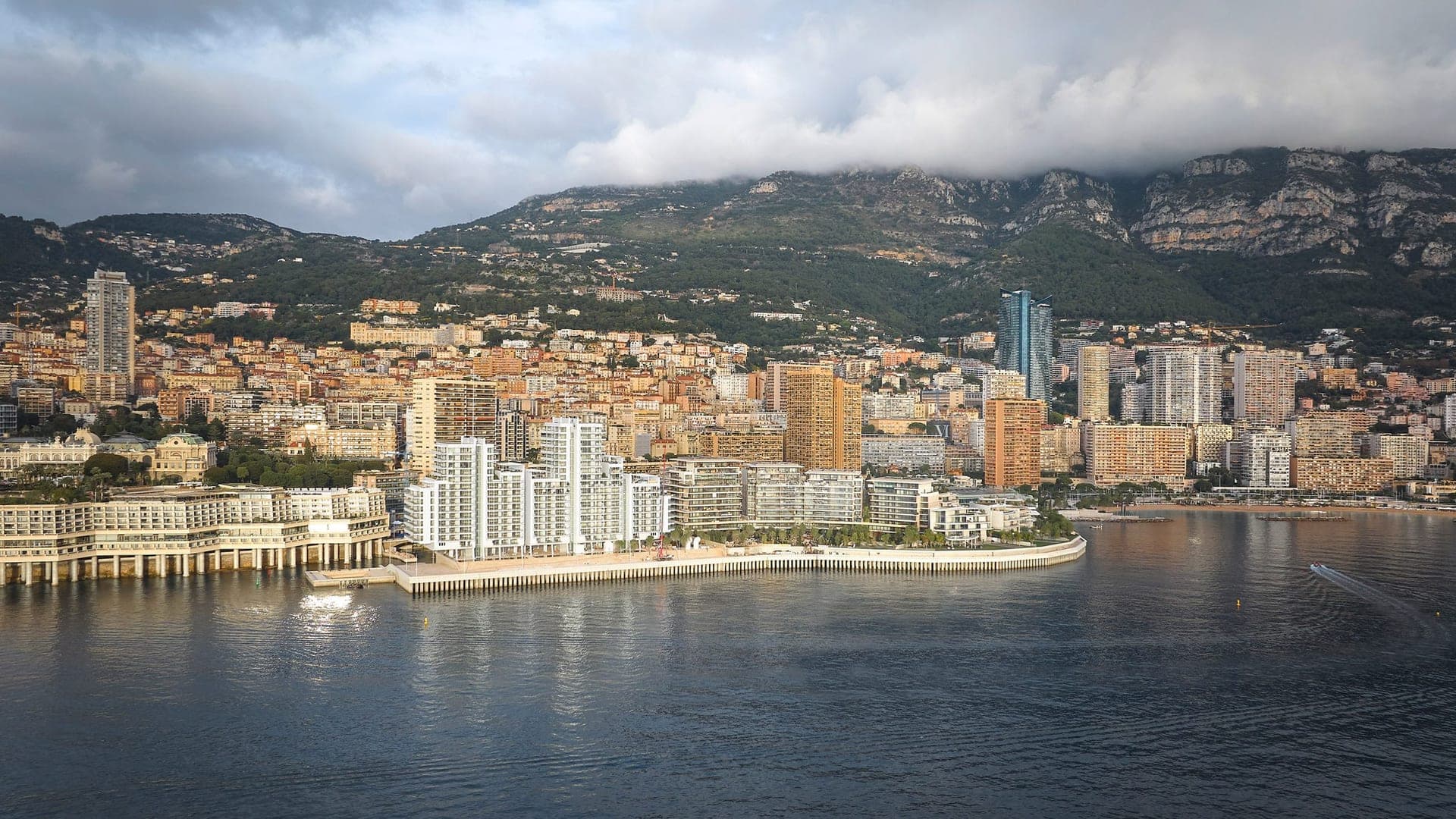
The article, published by the design and architecture platform Dezeen and authored by journalist Lizzie Crook, details the completion of Monaco’s six‑hectare land extension known as Mareterra. This large‑scale development adds new residential, public, and cultural spaces to the principality by reclaiming sea area, addressing Monaco’s chronic land scarcity while aiming to set a benchmark for sustainable urban growth in Europe.
Design and Engineering Highlights
Mareterra was master‑planned by the French studio Valode & Pistre Architects, with landscaping by Michel Desvigne and civil engineering carried out by Bouygues Travaux. The reclaimed area rests on 18 submerged caissons that incorporate grooved surfaces to encourage marine life, and artificial seagrass beds have been installed to support biodiversity. Above water, roughly half of the extension consists of open‑air public spaces, including a one‑hectare park and a promenade linking to Larvotto beach.
Renewable Energy and Climate Strategies
According to the developers, 80 % of the heating and cooling for the new district is supplied by renewable energy sources. The design deliberately follows the natural flow of marine currents, helping to maintain water health and reduce the environmental impact of the reclamation. The use of native plant species in landscaping further promotes local biodiversity and reduces maintenance needs.
Sustainable Housing and Architecture
The project includes several residential towers, most notably “Le Renzo,” a ship‑like building designed by Renzo Piano Building Workshop, and “Quatre Lances,” described as Piano’s smallest museum, intended to house a five‑metre‑tall installation by Alexander Calder. Additional private villas are designed by leading architects such as Foster + Partners, Stefano Boeri Architetti, and Tadao Ando, illustrating a commitment to high‑quality, low‑impact living spaces.
Public Spaces and Community Benefits
Mareterra offers extensive public amenities: a pedestrian‑friendly landscape, a park, a promenade, and art installations. The central area, Les Jardins d’Eau, features residential blocks with sea‑view balconies and landscaped gardens. The development aims to provide Monaco’s residents with new walking routes, squares, and green areas, enhancing urban livability.
Project Timeline and Delivery
The land extension was completed six months ahead of schedule, marking a ten‑year development period. The rapid delivery demonstrates effective coordination among architects, engineers, and contractors, and underscores the feasibility of large‑scale, sustainable urban projects within tight timelines.
International Context and Relevance
Mareterra joins other notable land‑reclamation initiatives such as Dubai’s Palm Jumeirah, Copenhagen’s artificial islands for tech hubs and flood protection, and Hong Kong’s planned massive artificial island. These examples illustrate a growing global trend of using reclaimed land to address urban density and climate challenges, offering valuable lessons for pan‑European cities seeking sustainable expansion solutions.