Introducing a pioneering cooperative housing project in Liechtenstein
The case study, published by Zeitschrift Wohnen, details the establishment of the first housing cooperative in the Principality of Liechtenstein, located on Birkenweg in Vaduz. Initiated by architect and real‑estate economist Harald Beck, the project responds to a shortage of affordable, family‑friendly rental housing caused by soaring land prices that have made ownership comparable to Swiss markets. The cooperative, Wohnbaugenossenschaft Liechtenstein (WBL), was founded on 21 March 2014 with municipal backing and the support of the Swiss regional housing cooperative network.
Cooperative structure and financing
WBL operates as a member‑owned rental cooperative, open to all Liechtenstein residents, not only citizens. Each member purchases a cooperative share of CHF 1 000 and additional housing shares ranging from CHF 30 000 to CHF 50 000, generating roughly CHF 1 million in start‑up capital. Financing was secured through an “unusual” approach by the Liechtenstein Landesbank, which provided an initial loan and a long‑term fixed mortgage without applying standard affordability tests. Although national housing‑grant schemes exist, they have not yet been implemented for such projects; the cooperative therefore relies on private financing and member contributions.
Sustainable design and energy performance
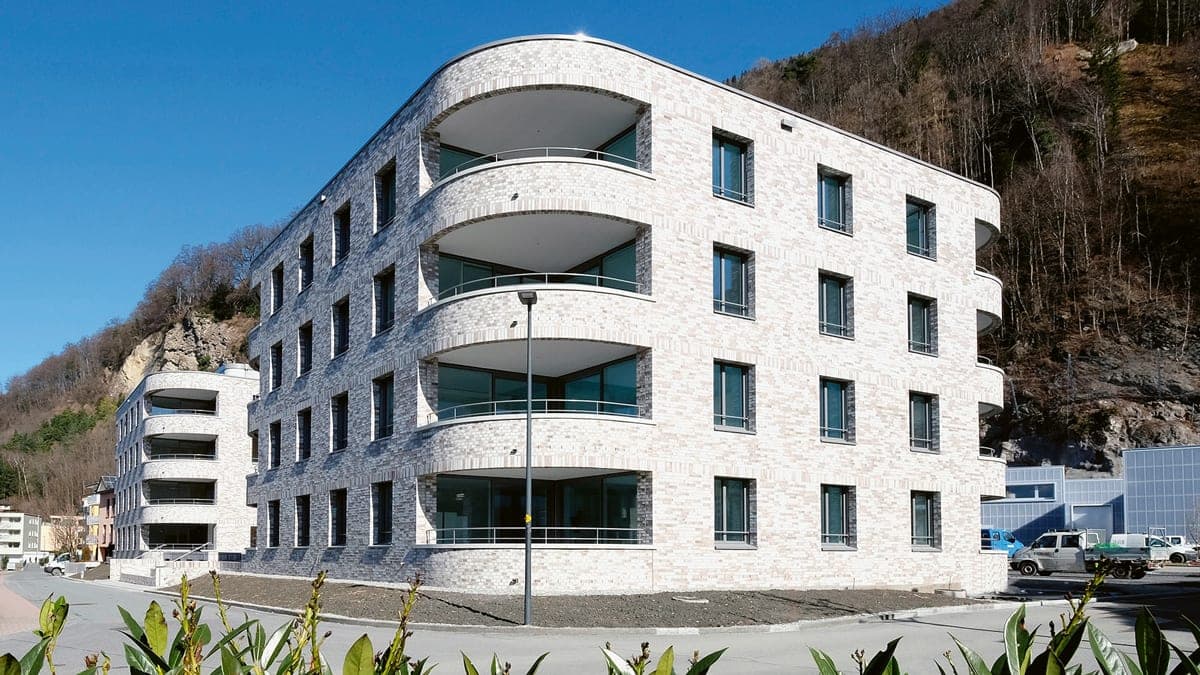
The two four‑storey buildings comprise 23 apartments, each built to Minergie‑A standards and classified as zero‑energy houses. Heating is supplied by a heat pump that recovers waste heat from a nearby hydro‑electric plant, while photovoltaic panels on the roofs generate electricity for on‑site consumption. The development includes a shared courtyard, communal rooms, hobby spaces, and a car‑sharing scheme with an electric vehicle from Liechtensteinische Kraftwerke, reinforcing circular‑economy principles. Despite the inclusion of 50 underground parking spaces, most are fully occupied, indicating strong demand.
Affordability and tenancy details
Rental rates are deliberately set below market levels, with a four‑and‑a‑half‑room unit priced at CHF 1 900 per month, substantially cheaper than comparable Swiss or Liechtenstein apartments. Tenancy is regulated through occupancy criteria and income thresholds to ensure that low‑ and middle‑income households benefit. All 23 units were allocated upon completion, and a resident‑run settlement council of three members now organises community activities.
Impact and future prospects
The Birkenweg project serves as a demonstrative model for “the third way” between private ownership and pure rental markets, aiming to inspire replication across the eleven municipalities of Liechtenstein. Early interest from six municipalities suggests potential for broader adoption. The cooperative’s success is attributed to strong local governance, innovative financing, and alignment with national sustainability goals, offering a template for pan‑European initiatives seeking affordable, environmentally responsible housing solutions.