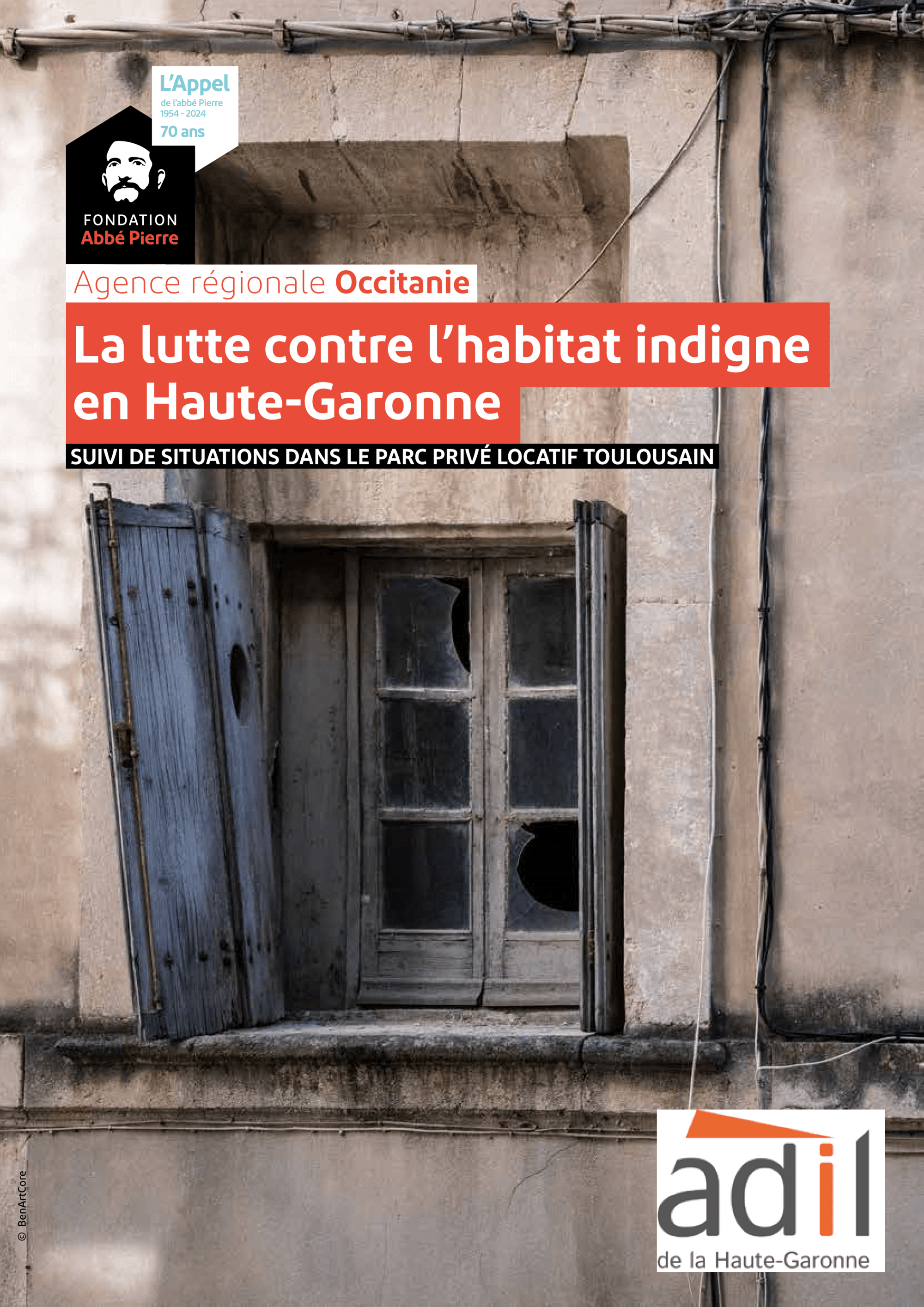
Overview of the Report
The Fondation pour le Logement des Défavorisés, a French charitable organisation dedicated to improving housing conditions for low‑income households, has produced a detailed study on substandard private housing in the Occitanie region, focusing specifically on Toulouse. The report is authored by Sylvie Chamvoux‑Maitre, director of the foundation’s Occitanie agency, and draws on data collected by ADIL 31, the regional housing information office. It aims to inform policymakers, NGOs and housing professionals across Europe about the scale of the “habitat indigne” problem and to propose actionable interventions.
Scope of the Housing Crisis
The study highlights that in Occitanie, particularly in Toulouse, the social housing stock is fully saturated and cannot meet demand. Consequently, families with modest incomes are forced onto the cheapest segment of the private market, which is often degraded and unsafe. A typical household with two children and two earners struggles to find adequate accommodation outside priority neighbourhoods or the metropolitan periphery. The report underscores that this pattern reflects a broader European challenge where insufficient affordable housing pushes vulnerable populations into precarious conditions.
Key Findings and Statistics
- The private degraded housing sector in Toulouse accounts for a significant share of the regional rental market, though exact percentages are not disclosed in the excerpt.
- ADIL 31’s sample of reported cases demonstrates a rise in complaints about unsafe dwellings, overheating, poor insulation and structural defects.
- The foundation notes that the lack of affordable alternatives leads to increased reliance on “quartiers prioritaires” (priority urban zones) and longer commuting distances for affected families.
- Existing tools such as the French National Housing Agency (Anah) and local collective programmes are under‑utilised, limiting the potential for large‑scale rehabilitation.
Proposed Interventions
The report outlines a multi‑layered approach:
- Accompaniment Services – Providing “aller‑vers” support to help tenants navigate rights and access assistance.
- Incentive Schemes – Leveraging financial incentives for private owners to renovate properties, with the foundation urging stronger use of Anah funds.
- Coercive Measures – Implementing stricter enforcement against landlords who fail to meet safety standards after incentives are exhausted.
- Collaborative Governance – Engaging local authorities, NGOs and tenant organisations in coordinated planning to ensure sustainable upgrades.
Relevance for Sustainable Housing in Europe
The Toulouse case exemplifies how housing shortages, when combined with inadequate regulatory frameworks, can undermine environmental and social sustainability goals. Poorly insulated, substandard dwellings increase energy consumption and carbon emissions, while also exposing residents to health risks. The foundation’s recommendations align with EU directives on energy‑efficient renovations and the European Pillar of Social Rights, which call for decent, affordable housing for all citizens.
Additional Resources and References
The study references complementary documents: the 2023 regional annual report and an ADIL Haute‑Garonne investigation from April 2024. These provide further quantitative data on the extent of degraded housing and the effectiveness of past interventions, offering a robust evidence base for stakeholders seeking to replicate successful models elsewhere in Europe.