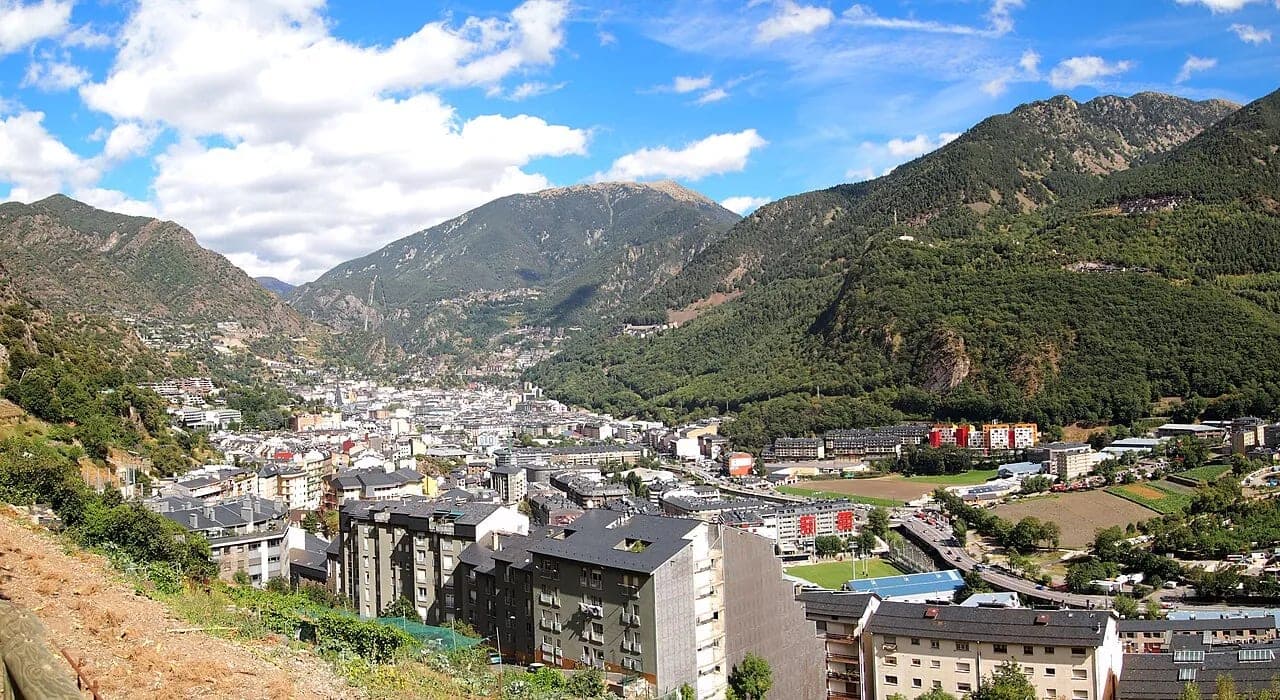
Overview of the IMF Report on Andorran Housing
The International Monetary Fund (IMF) has published a detailed paper titled Housing Affordability in Andorra through its Selected Issues Papers series. The study was prepared by analysts Ana Lariau and Michelle Tejada and is hosted on the La Valira website, a recognized Andorran news outlet. It examines how the scarcity of affordable housing is emerging as a major social, economic and political threat to the principality’s growth.
Key Affordability Statistics
The IMF highlights that in 2019 roughly 65 % of Andorran households were renters, a figure far above the European Union average of under 30 %. Among the lowest income quintiles, more than 42 % of renters allocated over 40 % of their income to housing, indicating severe over‑burden. Overall, 13.9 % of the population spent more than 40 % of earnings on housing, a level markedly higher than the EU norm.
Income Disparities Between Renters and Owners
Renters in Andorra earn up to 40 % less annually than owner‑occupiers. The data show that over 70 % of households in the two lowest income quintiles are renters, underscoring the concentration of housing strain among low‑paid, less‑qualified workers, particularly in the service sector.
Supply Constraints and Market Rigidity
The IMF points to a structural mismatch between housing supply and demand. Between 1990 and 2021 the stock of dwellings rose from 21,627 to 41,215 units, roughly a doubling that merely kept pace with population growth. However, recent construction has focused on luxury or high‑cost housing, leaving limited new affordable units. Building permits have increased only modestly, failing to boost the supply of rent‑priced homes.
Policy Recommendations for Sustainable Solutions
To alleviate the crisis, the IMF proposes a medium‑term policy agenda that includes:
- Mobilising vacant properties and reducing infra‑occupancy.
- Expanding social housing programmes.
- Implementing land and vacant‑home taxes to discourage speculative holding.
- Offering fiscal and regulatory incentives to private developers for affordable‑housing projects.
- Cautiously applying rent‑control measures to avoid further market rigidity.
Wider Economic Implications
The shortage of affordable housing not only harms households but also hampers Andorra’s broader economic performance. Companies face difficulty attracting foreign workers, which limits investment decisions and slows growth in key sectors such as tourism and high‑value services. A 2023 perception survey showed 67 % of respondents believed housing access needed improvement, up from just 3 % in 2015.
Relevance for a Pan‑European Sustainable Housing Audience
The Andorran case illustrates how rapid price growth, demographic shifts, and a reliance on immigration‑driven demand can create a housing affordability crisis even in a high‑income micro‑state. The IMF’s evidence‑based recommendations align with European sustainable‑housing goals: enhancing supply diversity, reducing vacant‑home stock, and ensuring that housing costs remain proportionate to income. These insights can inform policymakers across Europe seeking to balance market dynamics with social equity and long‑term economic resilience.