Overview of the Article and Its Origin
The piece “Inquiétante aggravation des expulsions locatives à Toulouse” is published by Mediacités, an independent French media outlet that produces investigative journalism across several French cities, including Lille, Lyon, Nantes and Toulouse. The article is authored by Gael Cérez, a journalist specializing in housing and social issues. Mediacités operates without advertising revenue and relies on subscriptions, positioning itself as a non‑profit, reader‑supported source of local news.
Rising Eviction Threats in Toulouse
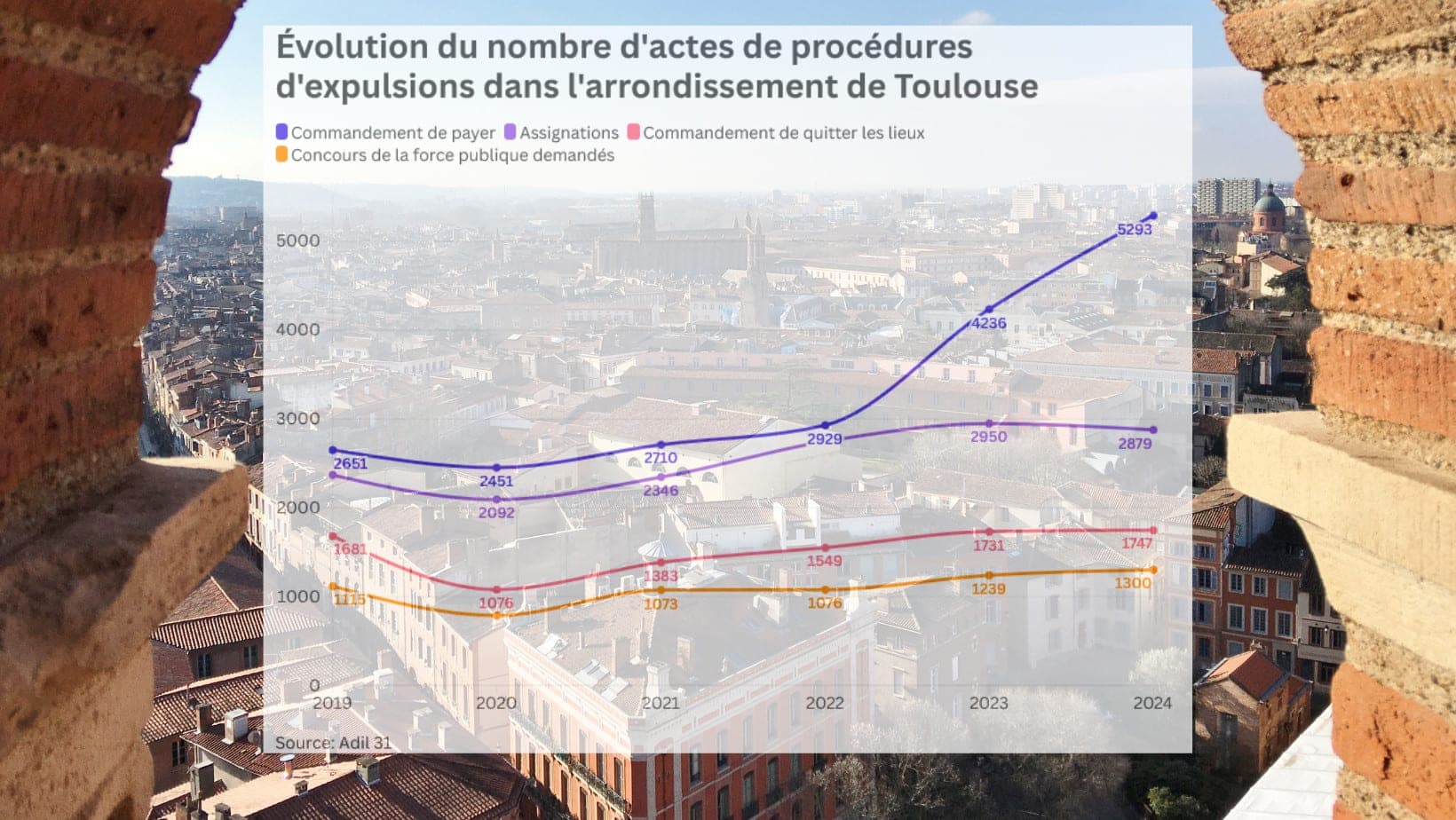
Data from the Agence départementale pour l’information sur le logement en Haute‑Garonne (Adil 31) reveal a sharp increase in eviction procedures. In 2024, nearly 5 300 households received a commandement de payer, the first formal step toward eviction. This figure is double the number recorded in 2020, indicating a rapid escalation of rent‑arrears and legal actions against tenants.
Impact of Legislative Changes
The Kasbarian‑Bergé law, enacted in 2023, shortens the period landlords must wait before initiating eviction. The law removes judicial discretion to grant payment delays, compelling judges to issue eviction notices when tenants fail to appear at hearings. Consequently, the procedural speed has increased, contributing to the surge in expulsions.
Tenant Attendance and Social Inequality
In 2019, over 60 % of tenants subject to eviction proceedings did not attend their court hearings, either due to shame or scheduling constraints, according to Adil 31 spokesperson Mélanie Baillot. This non‑attendance reflects broader social inequalities, as landlords are better informed about legal routes and tenants often lack resources to navigate the system.
Broader Housing Crisis Context
The article situates the Toulouse situation within a nationwide housing crisis, where rising rents and precarious employment exacerbate tenants’ inability to meet payment obligations. The winter truce, which temporarily halts evictions, is ending, further exposing vulnerable households to displacement.
Data Sources and Reliability
All figures cited originate from official communications by Adil 31, a governmental body tasked with monitoring housing conditions in the Haute‑Garonne department. The statistics are presented as part of Mediacités’ investigative reporting, which cross‑checks official data with on‑the‑ground interviews.
Relevance for Sustainable Housing Policy
For a pan‑European audience concerned with sustainable housing, the Toulouse case illustrates how legal frameworks, rent affordability, and social protection intersect. Rapid eviction processes can undermine long‑term residential stability, a key component of sustainable urban development. Policymakers may consider balancing swift enforcement of rental contracts with safeguards that prevent abrupt displacements, thereby supporting social cohesion and reducing the environmental costs associated with frequent household moves.
Key Figures at a Glance
- 5 300 households issued commandements de payer in 2024.
- Eviction notices have doubled since 2020.
- Over 60 % of tenants missed court hearings in 2019.
- The Kasbarian‑Bergé law (2023) removed judicial delay options.
Conclusion: Trends and Outlook
The article concludes that unless legislative reforms address the speed of eviction procedures and enhance tenant support mechanisms, Toulouse—and likely other French cities—will continue to see rising displacement rates. This trend poses challenges for sustainable housing strategies across Europe, highlighting the need for integrated policies that combine affordable housing provision, tenant rights protection, and responsible landlord practices.