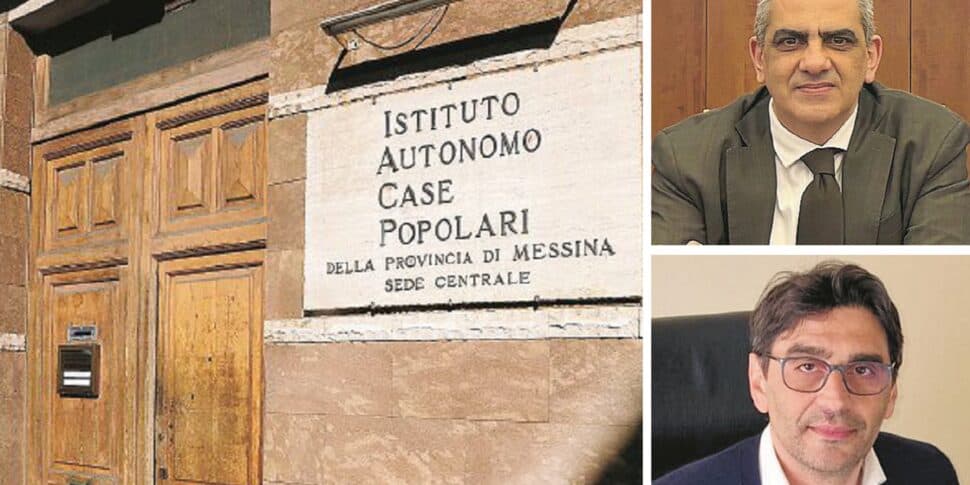
Overview of the Article and Its Origin
The article, published by Gazzetta del Sud and authored by journalist Sebastiano Caspanello, reports on a recent appellate ruling that confirms the municipality of Messina’s victory in a long‑standing IMU (property‑tax) dispute with the IACP (Institute for Social Housing). The piece is part of the newspaper’s coverage of local fiscal and housing matters, drawing on official court documents and statements from municipal officials and IACP representatives.
Background of the IMU Dispute
Since 2024 Messina has initiated tax assessments on non‑commercial entities that failed to submit exemption declarations for IMU on their properties. The lack of declaration obliges these entities to pay the tax despite a formal right to exemption. The most prominent case involved the IACP, which faced an assessment of approximately €2.9 million for three fiscal years (2023‑2025) in addition to earlier contested years.
Financial Stakes for the Municipality
The appellate decision enables the city to collect at least €5 million from the IACP case alone. Combined with other settlements—such as a €2.5 million immediate payment from the University of Messina after a voluntary correction—total outstanding assessments amount to roughly €10.4 million across various entities, including the Collereale, the “Piccole suore”, the ASP, the ERSU, and Confesercenti.
Court Outcome and Legal Reasoning
The Court of Tax Justice confirmed the first‑instance ruling that rejected the IACP’s request for a suspensive appeal. The judgment confirms that the municipality acted within its legal mandate to initiate assessments and that the IACP’s failure to file exemption declarations renders it liable for the tax due for five contested years plus the three subsequent years without declaration.
Municipal Officials’ Perspective
Mayor‑appointed lawyer Carlo Nucita and former councilor Roberto Cicala, who consulted attorney Francesco Saija, hailed the decision as a validation of lawful municipal action. They emphasised that the city was merely enforcing statutory obligations and that the ruling confirms the correct procedural path.
IACP’s Response and Social Impact
IACP President Beppe Picciolo described the outcome as a “bitter and mortifying victory” for the institute, warning that the IMU burden—estimated at €500 per year per social‑housing unit—will largely offset the modest social rent of about €52 per month. He argued that this financial strain threatens the maintenance of social‑housing stock and could undermine the provision of affordable homes.
Implications for Sustainable Housing Policy
The case highlights a tension between fiscal enforcement and the sustainability of social housing. While the municipality secures revenue to fund public services, the increased tax burden on social‑housing providers may limit resources for energy‑efficiency upgrades and routine maintenance, crucial for long‑term environmental performance.
Wider European Relevance
Across Europe, similar debates arise where local authorities seek to ensure tax compliance while preserving the viability of affordable, energy‑efficient housing. The Messina ruling underscores the importance of clear exemption procedures and proactive compliance to avoid costly legal disputes that can divert funds from sustainable‑housing programmes.
Outlook and Next Steps
The city is expected to proceed with the collection of the confirmed amounts, potentially reinforcing its fiscal capacity for urban development. Stakeholders, including housing associations and sustainability advocates, are likely to monitor how the additional revenue is allocated, particularly regarding maintenance and retrofitting of social‑housing units.