Overview of the Video and Its Origin
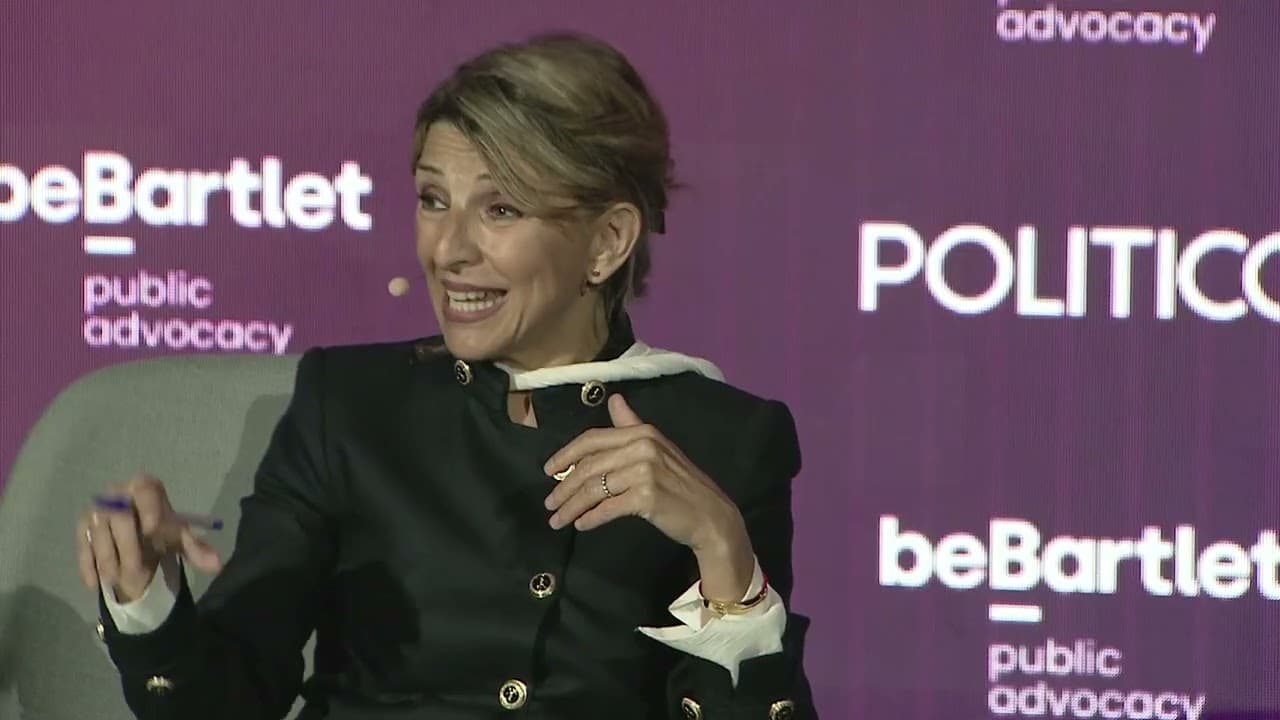
The resource is a video discussion hosted by POLITICO Europe, a prominent news outlet covering European political and economic issues. The panel features senior journalists and European policy makers, including Aitor Hernández-Morales (POLITICO Europe Senior Reporter), Yolanda Díaz Pérez (Second Deputy Prime Minister of Spain and Minister of Labour and Social Economy), and members of the European Parliament. The conversation focuses on the affordability crisis across Europe, particularly the housing component, and explores potential policy responses.
Key Findings on European Affordability
A poll cited in the video reveals that 52 % of Europeans feel their generation has fewer economic opportunities than their parents. The perception varies widely: only 12 % of Poles share this view, while 68 % of French respondents feel disadvantaged. Younger people under 35 show the highest pessimism, with Italy at 93 % and France at 92 % expressing concern. Overall, 40 % of Europeans struggle to cover basic living costs, with energy (28 %), housing (23 %) and food (20 %) identified as the main pressure points.
Housing Crisis Data Across Countries
Housing emerges as the most critical driver of dissatisfaction. Dissatisfaction with government responses to cost-of-living pressures reaches 85 % in France, 82 % in Germany, 81 % in Italy, 76 % in Spain, 68 % in Belgium and 61 % in Poland. In Spain, 75 % of respondents are dissatisfied with governmental action, while 70 % support increasing the construction of both public and private housing. Conversely, only 20 % back rent-control measures or restrictions on tourist rentals.
Policy Proposals Highlighted
Panelists propose several measures: accelerating the construction of ten million new homes across the EU, simplifying planning permissions (targeting a 60-day decision window), and increasing public and social housing provision. The discussion underscores the need for structural solutions for housing, as opposed to cyclical measures for energy and inflation. Tax reforms are suggested to encourage the conversion of empty or secondary homes into primary residences and to disincentivise speculative investments.
Role of the Public and Non-Profit Sectors
The video stresses the importance of public-social housing models, citing Vienna’s 40 % public housing stock as a stabilising factor. Non-profit organisations are presented as potential long-term actors capable of bridging gaps between private investors and public policy, especially in allocating existing dwellings to vulnerable groups.
Supply Shortfalls and Construction Trends
Data indicate a 30 % rise in rent prices and a 60 % increase in house prices over the past fifteen years. Europe needs to build ten million homes to meet demand, with Spain alone requiring 700 000 new units. However, building permits have fallen 20 % in the last five years, and construction output has lagged despite high demand, highlighting bureaucratic bottlenecks.
Fiscal Tools for Accelerating Housing Availability
Tax mechanisms are proposed to quickly mobilise empty homes, secondary residences and short-term rentals for the rental market. Over-taxing short-term rental income and incentivising the refurbishment of vacant properties could add substantial supply without new construction. Additionally, reforms aim to curb the concentration of housing wealth that has intensified since the 2008 crisis.
European Coordination and Funding
The European Commission’s commitment of €10 billion for housing is noted as insufficient against the estimated €150 billion needed. The European Investment Bank and private capital are identified as crucial partners for financing large-scale construction and renovation projects.
Conclusion: Path Forward for Sustainable Housing
The discussion concludes that sustainable, affordable housing in Europe requires a mix of increased construction, regulatory simplification, tax-based incentives, and expanded public-social housing. Addressing the affordability crisis will depend on coordinated policy action across EU institutions, national governments and non-profit actors, with a focus on structural solutions that ensure long-term housing stability for all Europeans.