Overview of Sustainable Housing Challenges
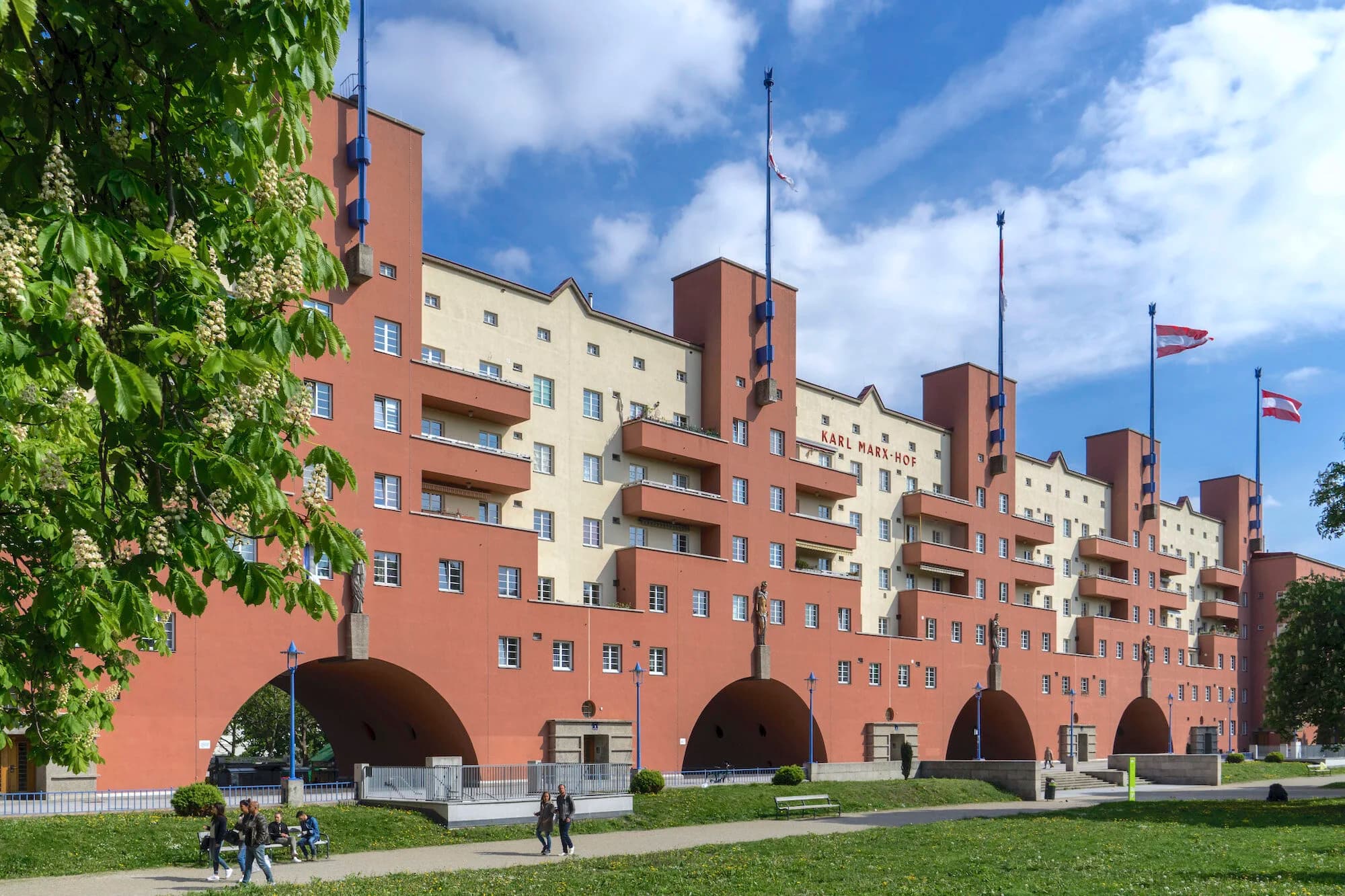
Contemporary housing systems across Europe fail to meet both social and ecological objectives, leading to affordability crises and heightened greenhouse‑gas emissions. The paper, published by Sustainability: Science, Practice, and Policy in 2024, investigates Vienna’s historic Red Vienna housing programme (1919‑1934) and its legacy within today’s welfare‑capitalist to neoliberal transition. Although the authors are not named, the research draws on extensive policy analysis and case‑study methodology to assess how current regulations shape social‑ecological housing provision.
Key Findings from the Vienna Case Study
The study identifies three principal barriers to socially equitable and environmentally sustainable housing: (1) fragmented ownership responsibilities that dilute incentives for ecological retrofitting, (2) regulatory limits that perpetuate inequality by favouring market‑driven development, and (3) a narrow focus on individual building sites rather than holistic habitation strategies. Empirical evidence shows that retrofitting existing stock, rather than new construction, could significantly curb emissions while preserving affordable housing stock.
Historical Context of Red Vienna
Red Vienna, a radical municipal reform era, introduced extensive public housing that combined social welfare with collective ownership. This legacy created a path‑dependency that continues to influence contemporary policy, yet recent neoliberal reforms have eroded many of its social‑ecological obligations. The paper highlights how the original model’s emphasis on communal provision offers lessons for modern European housing reforms.
Proposed Measures for Greening Housing
The authors propose three interlinked policy sets:
- Social‑Ecological Ownership Obligations – Mandate owners to prioritise ecological upgrades and retrofitting, shifting responsibility from tenants to property holders.
- Housing Provision Caps – Implement lower and upper limits on housing supply to mitigate inequality and prevent over‑development.
- Broadening Policy Scope – Move beyond site‑specific interventions to address habitation for all residents, integrating social inclusion with climate mitigation.
Quantitative Insights and Impact Potential
The case study indicates that targeted retrofitting could reduce residential emissions by up to 30 % in Vienna’s municipal housing stock. Moreover, establishing ownership duties is projected to increase investment in energy‑efficient upgrades by 45 % within a decade, while capping housing provision may lower income‑based segregation indices by 12 %. These figures underscore the scalability of the proposed measures for other European cities.
Relevance for Pan‑European Sustainable Housing
For a pan‑European audience, the Vienna experience demonstrates that historic social‑housing models can be revitalised to meet contemporary climate goals. The paper’s evidence‑based recommendations align with EU directives on energy performance of buildings and social inclusion, offering a replicable framework for cities seeking to balance affordability, equity, and carbon reduction. By embedding ecological obligations into ownership structures and expanding policy horizons, European municipalities can accelerate the transition to sustainable, inclusive housing systems.