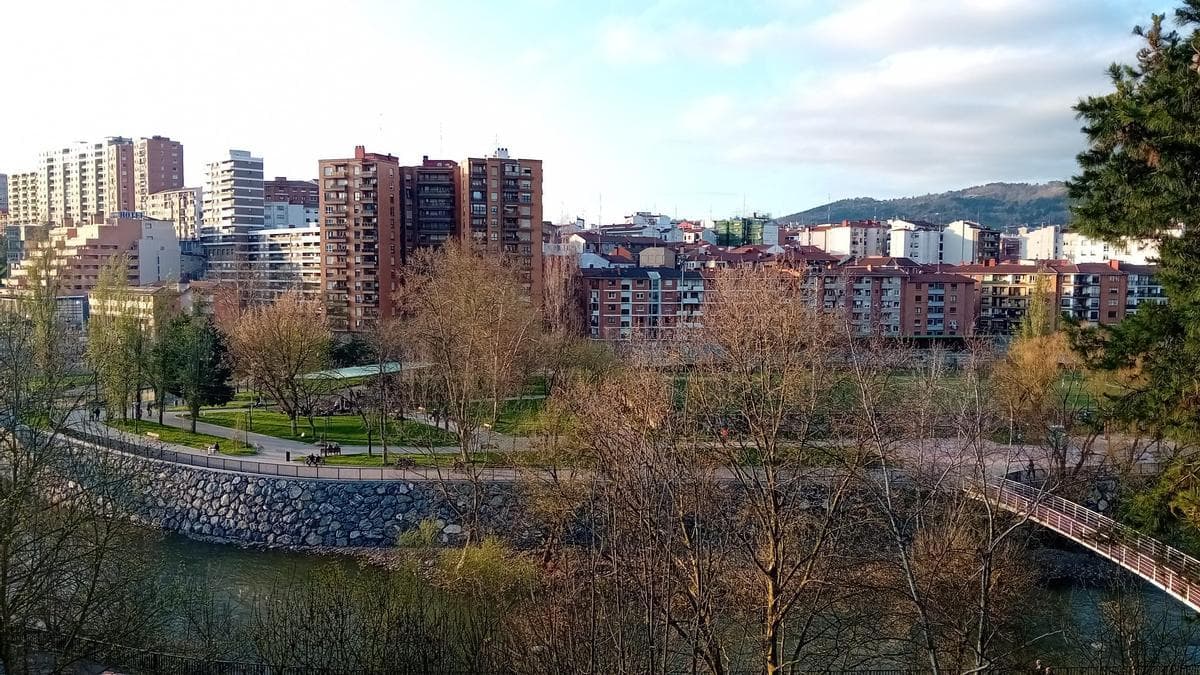
Overview of the Initiative
The Basque Government and Bilbao City Council have jointly declared Bilbao a “zona de mercado residencial tensionado”, a legally recognised stressed‑rental market. This status, announced in a public notice and to be formalised in the national Official Gazette, reflects that the average cost of rent plus basic utilities exceeds 30 % of disposable household income, with the city averaging 30.24 % and several districts surpassing this threshold.
Key Housing Pressure Data
- 36 % of the Basque population is now covered by the tensioned‑market regime.
- The average rent‑to‑income ratio in Bilbao stands at 30.24 %; Begoña (34.47 %), Rekalde (33.33 %) and Otxarkoaga‑Txurdinaga (32.69 %) are above the legal limit.
- 30 590 active applications for protected housing have been recorded, of which 23 698 (77.4 %) concern rental arrangements.
- Approximately 8 000 vacant dwellings exist in the city, targeted for mobilisation.
Planned Construction and Supply Boost
A three‑year action plan (2025‑2028) aims to deliver 1 090 new residential resources, including:
- 890 new protected homes directly promoted by the Basque Government, of which 385 are protected‑rental units (319 in Bolueta, 66 in Zorrotzaurre) and 182 social homes spread across Cortes, Olabeaga, Mina del Morro and Bolueta.
- 200 additional dotational accommodations (ADAs) managed by the municipal OAL Viviendas Municipales, with a total investment of €25 million.
- An overall target of more than 1 000 new homes before 2028, complemented by the city’s long‑term capacity to develop up to 16 264 extra dwellings, of which 15 300 are earmarked for medium‑ and long‑term growth.
Sustainable and Adaptive Strategies
The plan emphasises redensification and the conversion of underused commercial space into housing, aiming to lower the environmental footprint of new construction by re‑using existing structures. It also proposes incentives for large landlords to bring vacant units onto the market and to promote energy‑efficient upgrades, aligning with broader sustainability objectives.
Financial Instruments and Rent Controls
Rent increases in the tensioned zone will be capped by the Índice de Referencia de Alquileres de Vivienda (IRAV). Large‑holder properties and newly introduced rentals will be subject to this reference index, pending final data from the Basque Treasury. Additional fiscal incentives are planned for owners who participate in the public‑housing scheme, while tenants will benefit from reinforced rental aid programmes.
Social Support and Youth Focus
Since the declaration, 5 290 rental‑aid grants have been awarded, alongside targeted programmes such as Gaztelagun (€3 119 061,19 for 845 cases) and Emantzipa. These measures aim to assist young people and vulnerable groups, reinforcing the right to adequate housing as a social right rather than a privilege.
Governance and Monitoring
Implementation will be coordinated through the Oficina Municipal de Vivienda de Bilbao, which will provide integrated citizen services, monitor progress via annual indicators, and maintain a dedicated observatory for market dynamics. The plan also includes mechanisms to regulate tourist rentals (currently 1 300 units, 0.7 % of the housing stock) to protect the supply of permanent residences.
Relevance for Pan‑European Sustainable Housing
Bilbao’s approach combines legal rent caps, substantial public‑sector construction, conversion of existing urban fabric, and targeted social assistance—elements that align with EU objectives on affordable, sustainable housing. The data‑driven declaration, extensive investment, and emphasis on re‑using space provide a model for other cities confronting rental pressure while pursuing environmental and social sustainability goals.