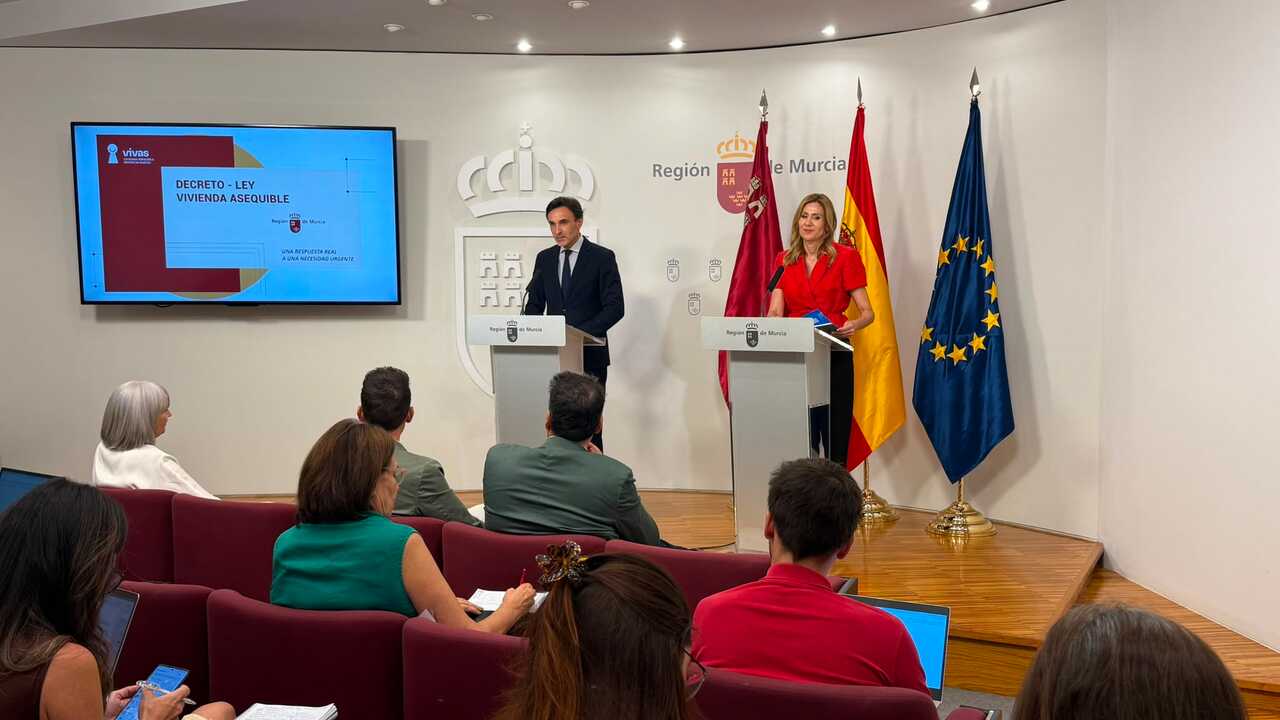
Overview of the Decree‑Law Initiative
The Regional Government of Murcia has introduced the Decree‑Law 3/2026 on affordable housing, a comprehensive legislative package aimed at expanding the supply of homes, accelerating construction timelines and revitalising unused urban land. The article, published by the regional news outlet Murciadiario and authored by M.D., outlines the policy’s objectives, mechanisms and expected impact on the housing market, particularly for young people and families with moderate incomes.
Legislative Context and Goals
The decree positions Murcia at the forefront of Spanish housing policy by creating a new “Affordable Housing” category within protected housing. It seeks to reduce bureaucratic barriers, increase financial incentives and improve residential quality. Key goals include: speeding up approval processes, encouraging the conversion of office space to residential use, and reactivating unfinished developments.
Fiscal Incentives and Tax Reductions
A central element of the plan is the extension of a reduced VAT rate of 4 % to a broader group of buyers. Eligibility now covers households earning up to 5.5 times the IPREM (the Spanish public income indicator). Additionally, the regional government maintains a reduced stamp duty of 3 % for purchasers under 40 years old, compared with the standard 7.75 % rate, further lowering the cost of acquisition for younger families.
Streamlined Administrative Procedures
The decree declares all procedures linked to affordable housing as urgent, introducing a “Unified Residential Project” framework to cut approval times. It replaces traditional provisional and definitive zoning classifications with a more flexible accreditation system based on responsible declarations, allowing faster progression from planning to construction while retaining public oversight.
Building‑Capacity Bonuses and Edificability Premiums
To boost the number of new dwellings, the law offers premiums that can increase allowable building capacity by up to 40 %, and in specific cases up to 50 %, when projects are designated as protected housing. Special bonuses target the regeneration of former industrial areas, degraded urban zones and sites with archaeological constraints, encouraging the redevelopment of vacant or under‑used land.
Quality‑of‑Life Enhancements: Terraces and Design
Recognising Mediterranean living preferences, the decree limits the calculation of covered terraces towards total floor area to a maximum of 30 % of a dwelling’s surface. This measure aims to ensure that families can enjoy both indoor space and outdoor terraces without compromising overall habitability.
Flexibility in Land Use and Project Types
The legislation permits the conversion of ground‑floor offices and commercial premises into residential units, and it allows protected housing to coexist with certain public amenities on vacant plots, except for educational and health facilities. It also authorises the construction of small blocks of protected housing on land originally zoned for single‑family homes, further diversifying supply options.
Expected Impact on Housing Supply
By combining tax benefits, procedural acceleration and building‑capacity incentives, the decree is projected to significantly increase the volume of affordable homes in the Region of Murcia. The policy’s emphasis on reusing existing urban fabric aligns with broader European sustainability goals, reducing the need for new land development and promoting more efficient use of resources.
Relevance for a Pan‑European Sustainable Housing Audience
Murcia’s approach illustrates a coordinated policy mix that other European regions could adapt: targeted fiscal relief for low‑ and middle‑income buyers, streamlined planning, and incentives for repurposing under‑used urban spaces. The decree’s focus on reducing construction time, minimising bureaucracy and enhancing residential quality contributes to sustainable urban development and aligns with EU objectives for greener, more inclusive housing markets.