Overview of the Study
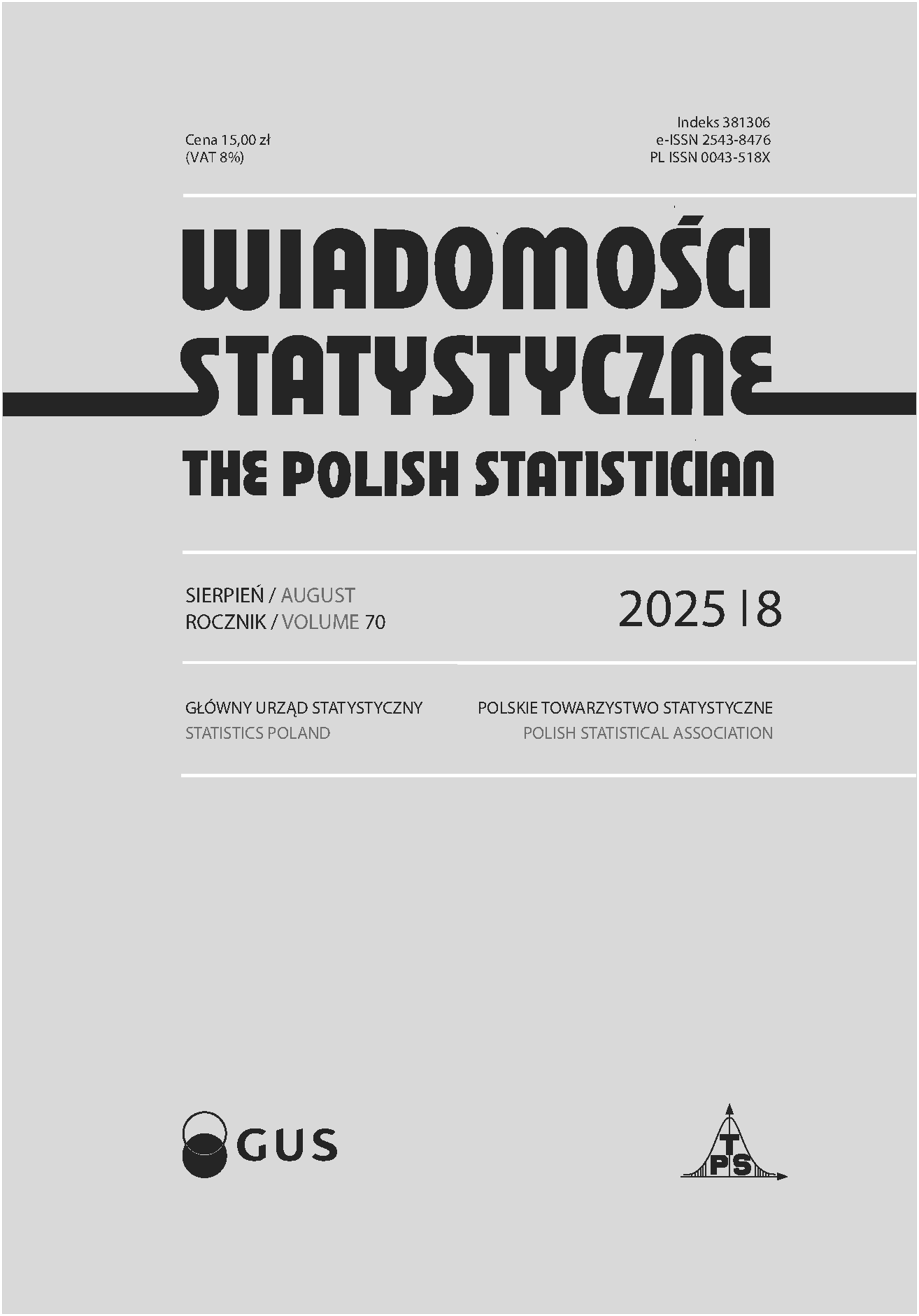
The article “Dostępność mieszkań dla gospodarstw domowych w miastach wojewódzkich” is an academic paper authored by Wiktoria Jędrusik and published by Wiadomości Statystyczne, a reputable statistical outlet in Poland. It examines how household income constraints affect housing affordability across Polish regional capitals, using data up to 2023. The analysis follows the definition that housing is affordable when a household spends no more than 40 percent of disposable income on housing costs.
Methodology and Data Scope
The research compares housing affordability in 2020 and 2023 for all Polish voivodeship cities except Gorzów Wielkopolski and Toruń. It draws on reports from the National Bank of Poland, the Local Data Bank of GUS, the Energy Regulatory Office, EWE (now Elenger), and OtoDom Analytics. The study classifies cities by the proportion of households meeting the ≤ 40 % affordability threshold and distinguishes between ownership and rental forms of tenure.
Findings on City‑Level Affordability
The most affordable cities are Katowice, Bydgoszcz, Zielona Góra and Olsztyn, where a larger share of households can meet the affordability criterion. Conversely, Warsaw, Wrocław, Kraków and Białystok rank as the least affordable, with a higher share of households exceeding the 40 % threshold. The results highlight a pronounced spatial disparity in housing cost burden across Poland’s major urban centres.
Ownership versus Rental Costs
Across all examined cities, renting is generally cheaper than owning when measured as a share of disposable income. Households that rent spend a lower proportion of their income on housing costs, indicating that the rental market currently offers a more sustainable pathway to affordable shelter for many Polish families.
Household Composition Impacts
The study reveals that two‑person households (typically couples) enjoy the highest level of housing affordability, while single‑person households and larger five‑person families (often comprising two parents and three children) face the greatest difficulty. This pattern underscores how household size influences the capacity to absorb housing expenses.
Policy Implications for Sustainable Housing
The authors suggest that the identified affordability gaps can inform national and local housing policies, particularly those aimed at enhancing sustainable, affordable housing solutions. Targeted interventions in the least affordable cities and for vulnerable household types could help reduce the housing cost burden and support broader sustainability goals.
Relevance for a Pan‑European Audience
While the analysis is specific to Poland, the trends mirror challenges faced across Europe: rising housing prices, uneven regional affordability, and the comparative advantage of rental options in mitigating cost pressures. The findings provide valuable comparative data for policymakers and researchers interested in sustainable urban housing strategies throughout the continent.