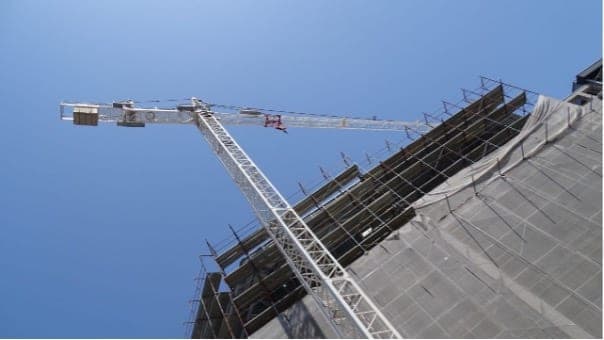
Overview of the Investigation
The Tirana Times, a leading Albanian newspaper, published an in‑depth investigation titled “Dirty money in the skyline: Albania’s tower boom and the laundering of criminal wealth.” The article examines how rapid high‑rise construction in Tirana is being financed by organised crime, drug trafficking and systemic corruption, turning the city’s skyline into a vehicle for illicit capital.
Scale of the Construction Boom
Between 2015 and the end of 2025, Tirana approved 9.9 million m² of construction permits, of which 4.8 million m² were for high‑rise buildings over eight floors. A total of 107 tall towers, averaging 20 floors, were planned, with construction costs ranging from €2,000 to €3,000 per square metre. By 2025, average apartment prices reached €1,833 – €1,900 per m², rising to €3,000 – €4,500 in premium districts, meaning many units cost half a million euros or more.
Demand versus Supply Discrepancy
The 2023 census recorded 52,871 vacant housing units in Tirana, including 39,765 empty apartments. Population growth slowed from 2.15 % in 2015 to 0.23 % in 2025, and emigration increased, suggesting that the high‑end housing stock far exceeds genuine local demand.
Money‑Laundering Mechanisms
Investigations reveal that criminal groups channel profits from narcotics and cannabis cultivation into the construction sector. New companies with no financial history obtain permits, allowing illicit funds to be “parked” in luxury apartments that remain unoccupied. Economists estimate that the informal and criminal economy may account for up to 40 % of Albania’s GDP, with construction acting as the primary laundering conduit.
Municipal Financial Dependence
Tirana’s municipal budget for 2026 expects €83 million from the infrastructure impact tax on new permits and €43 million from property tax, together representing 56 % of the city’s own‑source revenues. This reliance creates a feedback loop: more permits generate more tax income, encouraging further construction despite weak market fundamentals.
Implications for Sustainable Housing
For a pan‑European audience concerned with sustainable housing, the Tirana case highlights several risks: over‑construction driven by illicit finance leads to empty, energy‑intensive buildings; inflated property prices undermine affordability; and reliance on construction revenue threatens fiscal stability. The mismatch between supply and genuine demand questions the environmental and social sustainability of such rapid vertical growth.
Key Facts at a Glance
- 9.9 million m² of permits (2015‑2025)
- 107 towers, average 20 floors
- Construction cost: €2,000‑€3,000 / m²
- Average apartment price: €1,833‑€1,900 / m² (2025)
- 52,871 vacant units (2023)
- Municipal revenue: 56 % from construction taxes (2026)
- Estimated illicit economy share: up to 40 % of GDP These data illustrate how the Tirana tower boom, while visually signalling development, is largely underpinned by dirty money, creating challenges for sustainable urban planning and housing policy across Europe.